
Wiring the Right Way: A Beginner’s Roadmap to Electrical Load Calculation and Design
Every electrical system, whether in a small home or a sprawling industrial facility, starts with one critical step—Electrical Load Calculation Guide. Without it, you risk designing a system that is either dangerously underpowered or unnecessarily oversized. For a beginner, this process may seem filled with technical jargon and complex formulas. However, when broken down into clear steps, it becomes a logical and manageable task.
Electrical load calculation determines how much power a system needs to function efficiently and safely. Electrical design then transforms this information into a layout that ensures reliable power delivery while complying with safety codes. Together, they form the backbone of any well-functioning electrical installation.
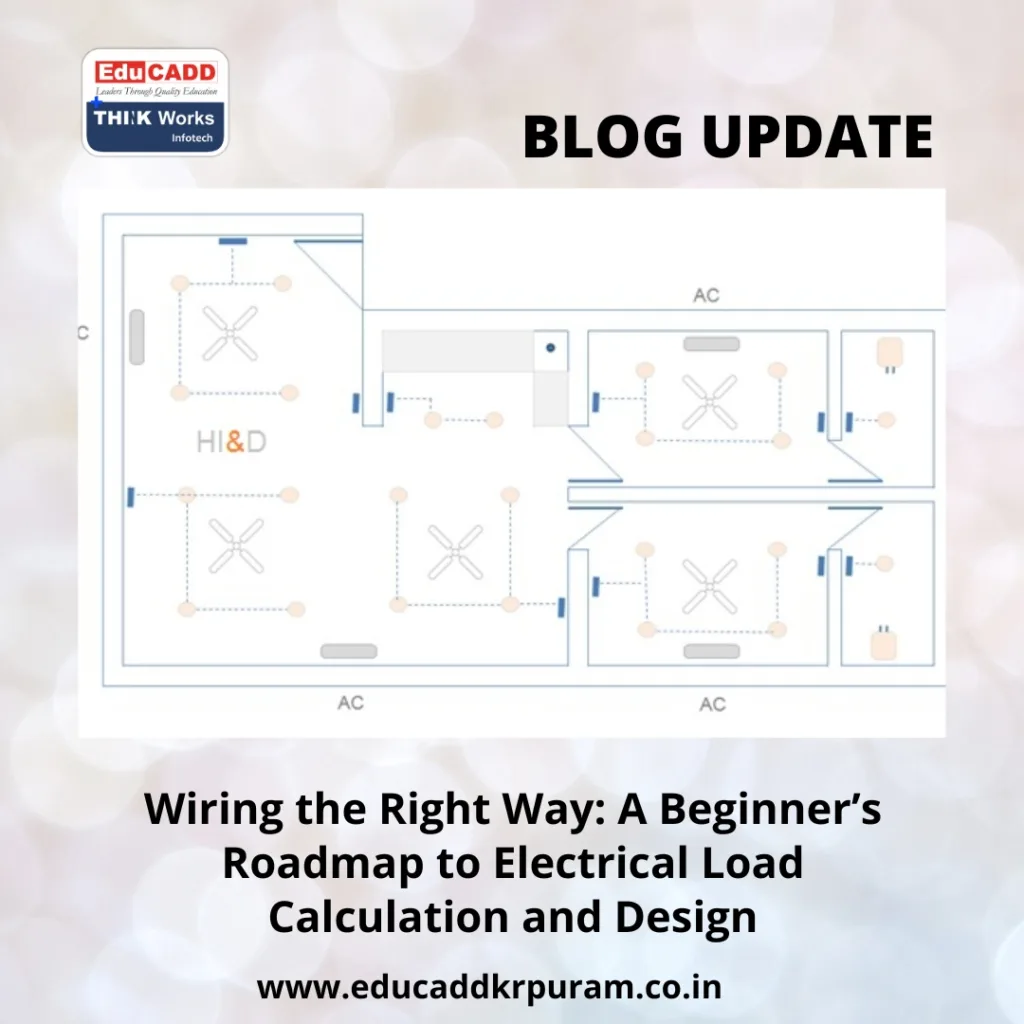
Electrical Load Calculation Guide
This guide will walk you through the essentials of electrical load calculation and design in simple terms. With practical tips, examples, and beginner-friendly explanations, you’ll gain the confidence to approach your first projects without guesswork.
1. The Role of Load Calculation in Electrical Systems
Before diving into design, you must understand why electrical load calculation is so important.
The electrical load is the total power consumed by devices connected to the system. If you install more load than the system can handle, overheating, voltage drops, and equipment damage can occur. Conversely, designing for a much higher load than necessary can waste money on oversized equipment.
Electrical load is usually measured in:
-
Watts (W) – Direct measure of power consumption.
-
Kilowatts (kW) – 1 kW = 1000 W, used for larger loads.
-
Kilovolt-Amperes (kVA) – Common in transformer and generator sizing.
Beginners should also learn the difference between:
-
Resistive Loads – Such as heaters and incandescent bulbs, which draw consistent current.
-
Inductive Loads – Such as motors and transformers, which have a power factor less than 1.
This understanding ensures more accurate calculations and better design decisions.
2. Step-by-Step Electrical Load Calculation for Beginners
Calculating electrical load is straightforward when approached systematically. Here’s how to do it:
Step 1: Make an Inventory
List every electrical device the system will power—lights, fans, computers, air conditioners, pumps, etc.
Step 2: Record Power Ratings
Check the rating label on each device. If the rating is in amps and volts, convert to watts using:
Watts = Volts × Amps × Power Factor
Step 3: Organize Loads into Groups
Separate loads by function (e.g., lighting, HVAC, appliances) for easier demand factor application.
Step 4: Apply Demand Factors
Not all devices operate at the same time. Using demand factors allows you to reduce the calculated total to a realistic figure.
Step 5: Convert to kVA
For equipment sizing, use:
kVA = kW ÷ Power Factor
Step 6: Include Safety Margins
Add 10–20% extra capacity to allow for future expansion and prevent overloading.
Step 7: Verify Compliance
Cross-check your results with NEC, IEC, or local electrical codes to ensure your design meets safety requirements.
By following these steps, you can create a reliable starting point for your electrical design.
3. From Numbers to Blueprints: Designing the Electrical System
Once you have the calculated load, it’s time to design the system. This involves more than just connecting wires—it’s about creating a safe, efficient, and code-compliant network.
Key aspects of load design include:
-
Power Source Planning – Decide if the system will use grid power, renewable sources, or backup generators.
-
Distribution Layout – Create a plan for the main distribution board, sub-panels, and branch circuits.
-
Circuit Protection – Include circuit breakers, fuses, and safety switches to guard against faults.
-
Wiring Specifications – Choose cables with the correct size, insulation, and routing to handle the calculated load.
-
Load Balancing – Spread loads evenly across phases in three-phase systems to avoid unbalanced currents.
Beginners should start by creating a single-line diagram to map the flow of electricity from the source to end devices. This diagram becomes the foundation for detailed drawings and installation work.
4. Common Beginner Errors and How to Avoid Them
Even with clear steps, beginners often make mistakes that can affect system performance and safety. Here are the most common:
Underestimating Loads
If you calculate too low, the system may not handle peak usage, leading to frequent tripping and equipment damage.
Ignoring Voltage Drop
Long cable runs can reduce voltage at the load. Neglecting this can cause poor performance and shorten equipment life.
Oversizing Without Reason
Designing for a much higher load than necessary increases costs without improving safety.
Skipping Code Compliance
Failing to follow standards can result in unsafe systems and legal problems.
No Provision for Expansion
Without spare capacity, future upgrades become expensive and complicated.
Avoiding these errors will help you create reliable, safe, and cost-effective electrical systems.
5. Practical Tips for Learning Electrical Load Calculation and Design
Building skill in electrical load calculation and design requires more than just reading about it. Here’s how you can accelerate your learning:
-
Practice on Small Projects – Start with a single room or small shop before tackling larger installations.
-
Use Design Software – Tools like ETAP, AutoCAD Electrical, or Dialux help streamline calculations.
-
Study Electrical Codes – Familiarize yourself with NEC, IEC, or your local regulations.
-
Learn from Experienced Professionals – Mentorship offers insights that books and courses may not cover.
-
Stay Updated – The field evolves with new technologies like smart meters and energy-efficient systems.
Above all, always keep safety as the top priority. Even the best calculations mean little without proper protective devices, grounding, and quality installation practices.
Conclusion
Mastering Electrical Load Calculation Guide and design for beginners is a vital step toward building safe and efficient electrical systems. By understanding the concepts, following a structured process, and learning from common mistakes, you’ll be well-prepared to plan and design systems that perform reliably.
This skill set will serve you whether you’re working on residential, commercial, or industrial projects. The key is to start small, keep learning, and focus on quality at every stage. With time and practice, you’ll turn calculations and diagrams into functional, safe, and future-ready electrical systems.

