
Ensuring Electrical Safety Excellence: CAD-Enabled Design Compliance
In the rapidly evolving field of electrical engineering, safety is the cornerstone of every successful project. Electrical systems power homes, industries, and infrastructure, but even minor design mistakes can lead to severe hazards. This makes Electrical Safety Codes – Design Compliance with CAD an essential practice. By integrating CAD (Computer-Aided Design) tools with established safety codes, engineers can create accurate, reliable, and fully compliant electrical systems. This guide explores the significance of electrical safety standards, how CAD enhances compliance, and strategies to achieve safe, code-adherent designs.
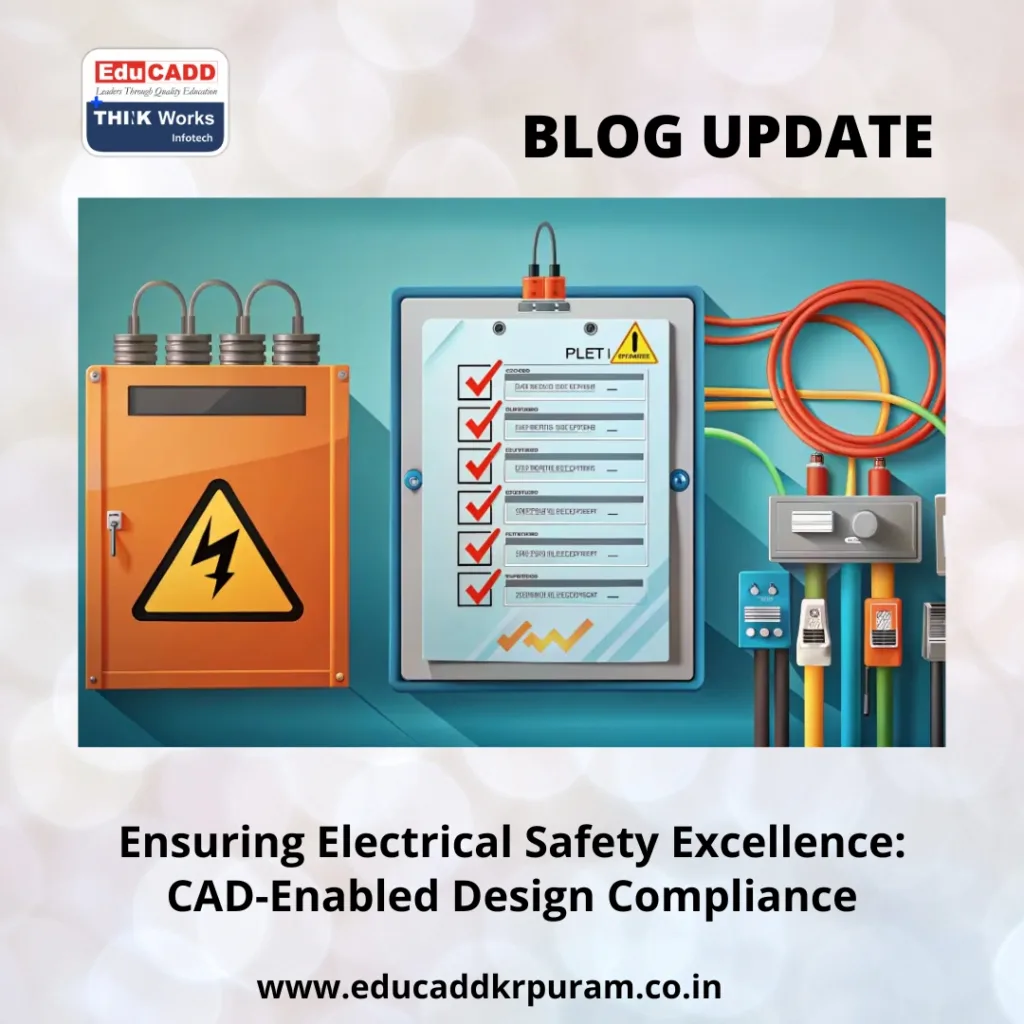
Electrical Safety Design Compliance
The Importance of Electrical Safety Codes
Electrical safety codes are sets of standards that dictate how electrical systems must be designed, installed, and maintained. Organizations such as the National Electrical Code (NEC), International Electrotechnical Commission (IEC), and local authorities provide these regulations. Compliance with these codes is not optional; it is mandatory for legal, safety, and operational reasons.
Following electrical safety codes ensures that systems:
-
Prevent shocks, fires, and equipment failures.
-
Guarantee system reliability and operational efficiency.
-
Comply with legal and insurance requirements, avoiding fines and liability.
-
Promote sustainability and energy-efficient designs.
Without strict adherence, electrical systems can pose serious risks, making early integration of safety standards into design workflows critical.
How CAD Transforms Electrical Design Compliance
CAD software has transformed electrical engineering by providing tools for precise modeling, simulation, and compliance verification. Designers can produce 2D and 3D schematics that automatically integrate safety standards.
Key Advantages of CAD for Electrical Safety
-
Error Prevention: CAD automatically identifies circuit conflicts, grounding issues, and overload risks, reducing human mistakes.
-
Built-In Code Libraries: Many CAD platforms include NEC, IEC, and local standards templates, ensuring designs follow regulations from the start.
-
Simulation Capabilities: Engineers can virtually test electrical systems under multiple scenarios, spotting potential hazards before installation.
-
Documentation and Reporting: CAD generates detailed schematics, wiring diagrams, and compliance reports for audits and approvals.
-
Team Collaboration: Multidisciplinary teams can work simultaneously in CAD environments, preventing design clashes and ensuring compliance.
By integrating these features, CAD ensures that electrical systems meet both safety standards and operational requirements efficiently.
Essential Electrical Safety Standards for CAD Designers
To ensure design compliance with CAD, engineers must understand the critical electrical safety codes relevant to their projects.
National Electrical Code (NEC)
NEC provides comprehensive guidelines on wiring, circuit protection, and grounding methods. Using NEC-aligned CAD templates ensures designs are legally compliant and safe.
International Electrotechnical Commission (IEC)
IEC standards cover both low- and high-voltage systems globally. CAD tools with IEC libraries allow international projects to maintain uniform safety compliance.
Local and Regional Codes
Electrical regulations vary by region. CAD systems allow integration of local standards, ensuring designs meet regional legal requirements.
OSHA Guidelines
Workplace safety is crucial in electrical engineering. CAD simulations help ensure layouts minimize risks for personnel handling live equipment.
IEEE Standards
IEEE standards cover wiring, grounding, and testing protocols. CAD integration with IEEE guidelines enhances technical accuracy and system safety.
Understanding and embedding these codes into CAD workflows is vital for producing compliant and safe electrical designs.
Best Practices for Achieving CAD-Based Compliance
Ensuring full electrical safety compliance requires systematic practices throughout the design process.
1. Embed Code Libraries in CAD
Incorporate NEC, IEC, and regional standards into CAD systems. This ensures components, connections, and protective devices meet regulatory requirements.
2. Leverage Automated Compliance Checks
Modern CAD software offers verification features to assess circuit loads, grounding paths, and labeling. Automation reduces human error and accelerates project completion.
3. Simulate Electrical Loads and Faults
Virtual testing for overloads, short circuits, and environmental conditions helps identify potential hazards before implementation.
4. Generate Detailed Documentation
CAD produces schematics, wiring diagrams, and compliance reports, essential for inspections, approvals, and maintenance.
5. Stay Updated with Evolving Codes
Electrical safety standards frequently change. Engineers must ensure CAD templates and libraries reflect the latest NEC, IEC, or local updates. Continuous learning and professional development are key to compliance.
By following these best practices, engineers can ensure that every electrical design is safe, compliant, and reliable.
Overcoming Challenges in Electrical Safety Compliance
Despite advanced CAD tools, achieving compliance can be challenging due to several factors:
-
Frequent Updates to Codes: Safety regulations evolve continuously, requiring constant updates to CAD libraries.
-
Complex System Integration: Large-scale projects involve interconnected systems, making compliance verification intricate.
-
Human Oversight: Errors in manual modifications or legacy systems can compromise safety.
-
Regional Differences: International projects must adhere to varying codes, increasing design complexity.
-
Time and Cost Constraints: Compliance often requires additional components and adjustments, impacting budgets and schedules.
Awareness of these challenges allows engineers to plan proactively, ensuring that safety compliance is maintained without disrupting efficiency.
Future Trends in CAD-Driven Electrical Safety
The landscape of electrical design and safety is evolving with technology. Emerging trends include:
AI-Enabled Compliance Verification
Artificial intelligence can analyze electrical designs, identify code violations, and suggest safety improvements, reducing manual oversight.
IoT Integration for Smart Systems
IoT devices provide real-time monitoring, feeding data into CAD systems to enhance predictive safety measures.
Cloud-Based Collaboration
Cloud CAD platforms allow teams in multiple locations to work together seamlessly, maintaining uniform compliance standards.
Sustainable Design and Energy Efficiency
CAD now supports simulations for renewable energy integration and energy-efficient systems, aligning safety compliance with environmental goals.
Virtual and Augmented Reality Testing
VR and AR simulations enable engineers to visualize and test electrical systems in realistic conditions, identifying risks early.
These trends indicate a future where CAD not only ensures compliance but also optimizes system efficiency and safety.
Conclusion: Delivering Safe, Code-Compliant Electrical Designs with CAD
Integrating Electrical Safety Codes – Design Compliance with CAD is a fundamental practice in modern electrical engineering. CAD software empowers designers to create accurate, safe, and compliant electrical systems efficiently. By embedding code libraries, performing automated checks, simulating electrical conditions, maintaining documentation, and staying updated with evolving standards, engineers can deliver designs that minimize risk and enhance system reliability.
As technology advances, AI, IoT, cloud collaboration, and VR will redefine electrical safety compliance, making systems smarter, safer, and more sustainable. Compliance is not just about adhering to regulations—it is about engineering excellence and protecting lives, property, and the environment.
By adopting these practices, engineers can ensure their designs meet the highest safety standards while remaining efficient and innovative.

