
The Ultimate Roadmap to Funnels That Actually Convert
In the fast-paced digital world, Funnels That Convert is only the first step. Many businesses struggle to turn visitors into loyal customers because their funnels lack direction, clarity, or strategic thinking. The difference between a funnel that generates leads and one that drives revenue lies in its design and execution.
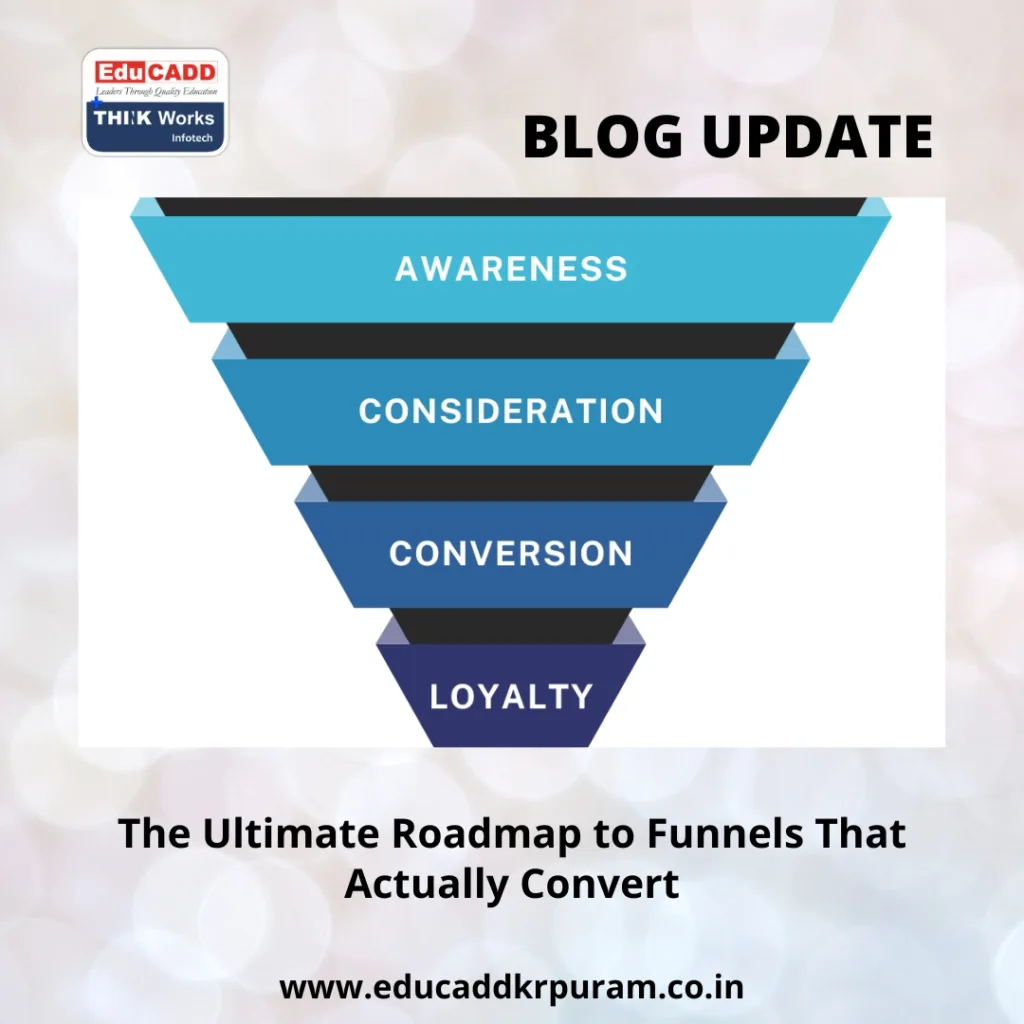
Funnels That Convert
This guide dives into how to design funnels that convert – step-by-step training, providing practical techniques you can implement immediately. You’ll learn to structure each stage of the funnel, craft compelling pages, and optimize for conversions. By the end, you’ll have a blueprint that turns prospects into paying customers efficiently.
1. Laying the Foundation: What Makes a Funnel Convert?
Before designing your funnel, it’s crucial to understand the elements that drive conversions. Funnels are not just sequences of pages—they are journeys carefully crafted to guide the customer toward a goal.
The Psychology Behind Conversions
High-converting funnels tap into human behavior. People act when they feel understood, valued, and confident about their decisions. Funnels should address these psychological triggers:
-
Awareness funnels create interest by highlighting a problem or need.
-
Consideration funnels build trust by educating prospects.
-
Conversion funnels encourage action by removing doubts and adding urgency.
The Power of Clear Messaging
Visual design and creativity are important, but clarity is critical. Each page should guide the visitor effortlessly to the next step. Strong headlines, concise copy, and clear CTAs ensure visitors never feel lost.
Avoiding Common Pitfalls
-
Overloading pages with unnecessary content
-
Using technical jargon instead of simple benefits
-
Ignoring objections early in the funnel
By addressing these challenges, your funnel gains a solid foundation for converting leads.
2. Mapping the Customer Journey Before You Build
Successful funnels are built on research and planning. Mapping your funnel ensures each step serves a purpose and aligns with your audience’s needs.
Know Your Audience Inside Out
Understanding your audience is key to crafting funnels that convert. Analyze your target market, identify pain points, and explore their behaviors. Tools like surveys, social media analytics, and competitor research provide valuable insights.
Defining Funnel Stages Clearly
Every funnel has three main sections:
-
Top of Funnel (TOFU): Capture attention with blogs, ads, or lead magnets.
-
Middle of Funnel (MOFU): Nurture leads using email sequences, case studies, or webinars.
-
Bottom of Funnel (BOFU): Convert prospects with trials, discounts, or direct calls to action.
Funnel Mapping in Action
For example, if you offer a digital marketing course:
-
TOFU: Blog post titled “5 Proven Social Media Strategies” leading to a free guide.
-
MOFU: Email series teaching social media best practices.
-
BOFU: Limited-time course enrollment offer with testimonials.
Mapping ensures a smooth, logical flow and keeps leads engaged.
3. Designing Pages That Inspire Action
Your funnel pages are where leads make decisions. Each page must serve a distinct purpose and eliminate friction.
Landing Pages That Capture Attention
Landing pages should focus on one offer, one goal, and one clear CTA. Remove distractions and highlight the value of the offer.
Key elements for effective landing pages:
-
Headline that communicates clear value
-
Short, benefit-driven bullet points
-
Images or videos reinforcing the offer
-
Social proof, such as testimonials or reviews
Nurturing Leads with Emails
Emails bridge the gap between awareness and conversion. Short, personalized emails build trust while maintaining engagement. Drip campaigns are effective because they guide leads gradually toward purchase decisions.
Sales Pages That Close Deals
Your sales page should answer all objections and inspire confidence. Include guarantees, FAQs, case studies, and urgency-driven offers. Ensure the checkout process is simple to minimize drop-offs.
4. Testing and Optimizing Funnels for Maximum Results
A funnel is never complete without testing and optimization. Continuous adjustments make the difference between a mediocre and a high-performing funnel.
The Importance of Testing
Small tweaks can significantly improve conversions. Test headlines, copy, design elements, and CTAs to discover what resonates most.
Types of testing include:
-
A/B Testing: Compare two versions of a page or element.
-
Multivariate Testing: Test multiple combinations of changes.
-
Split Testing: Direct traffic to different funnel versions for comparison.
Metrics That Matter
Track key metrics to measure funnel effectiveness:
-
Click-through rates (CTR)
-
Conversion rates
-
Cost per acquisition (CPA)
-
Customer lifetime value (CLV)
Optimization Tips
High traffic but low conversions? Reevaluate your messaging and offer clarity. High engagement but low sales? Introduce social proof or limited-time incentives to boost confidence.
5. Advanced Techniques to Boost Funnel Performance
Once your funnel works well, advanced strategies can maximize its effectiveness.
Personalization Drives Engagement
Generic messaging underperforms. Segment your audience to deliver relevant content based on their interests, behavior, or stage in the funnel. Personalized funnels see higher engagement and conversion rates.
Leveraging Automation
Automation streamlines follow-ups, tracks lead behavior, and triggers actions at optimal times. Tools like ActiveCampaign, HubSpot, and ClickFunnels simplify this process and improve efficiency.
Retargeting for Lost Leads
Not every visitor converts immediately. Retargeting ads remind prospects about your offer, increasing the likelihood of conversion. Retargeting often produces a higher ROI than initial campaigns.
Scaling Successful Funnels
Once a funnel converts consistently, scale it by expanding ad spend, targeting new audiences, or creating variations tailored to specific customer segments.
Conclusion
Designing funnels that convert is a systematic process rooted in understanding your audience, mapping their journey, crafting action-driven pages, and continuously testing and optimizing. Applying Funnels That Convert transforms a basic funnel into a conversion engine that drives measurable results.
Remember, the strongest funnels are built on clarity, value, and seamless transitions at every stage. With strategic planning, targeted messaging, and optimization, your funnels can convert leads consistently, turning casual visitors into loyal customers.

