
Designing Green: Innovative Sustainable Interior Approaches
Sustainability has moved beyond a trend and is now a guiding principle in modern interior design. Sustainable interior design focuses on creating spaces that are not only visually appealing but also environmentally responsible. Incorporating eco-friendly approaches into interiors reduces environmental impact, conserves natural resources, and promotes healthier living spaces. From material choices and energy management to waste reduction and biophilic integration, Sustainable Interior Design Ideas aesthetics, functionality, and ecological responsibility.
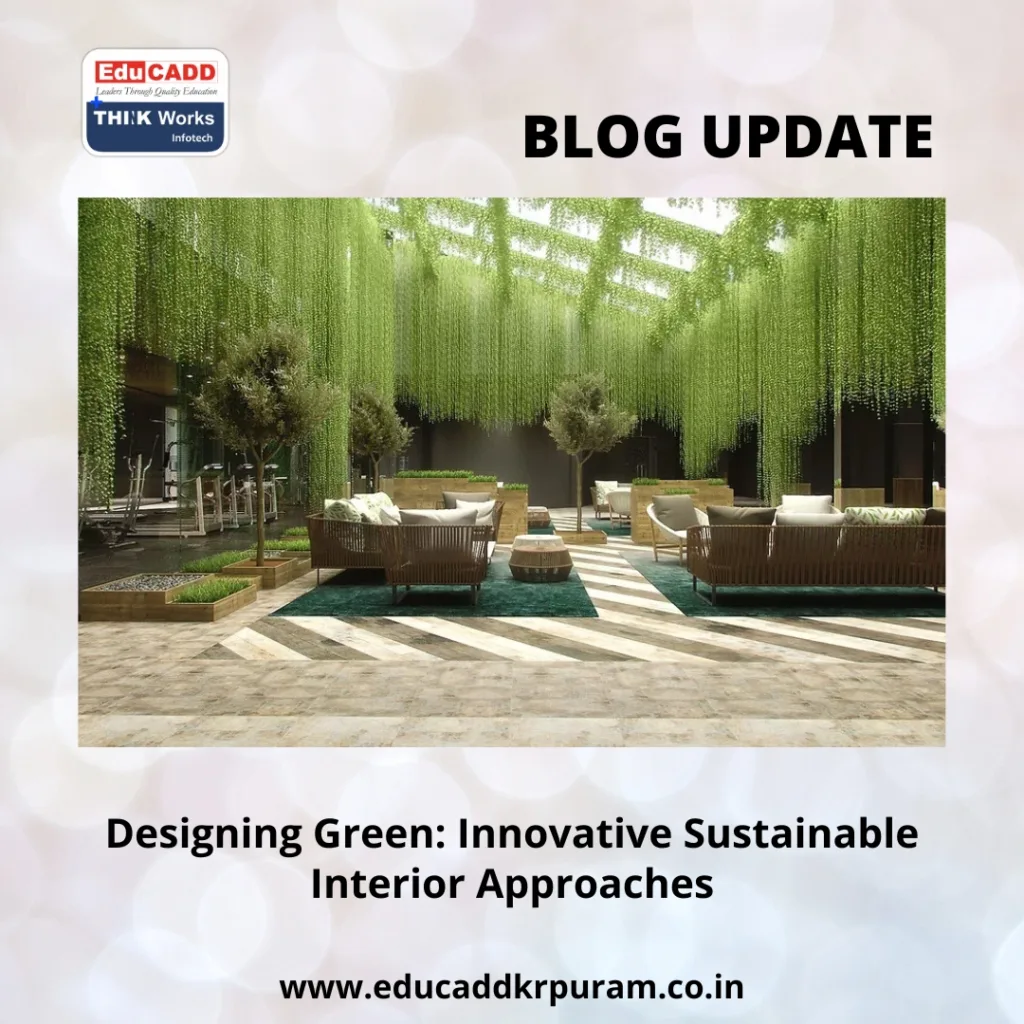
Sustainable Interior Design Ideas
This comprehensive guide explores actionable strategies for implementing Sustainable Interior Design Ideas. It covers material selection, energy efficiency, sustainable furniture and décor, water conservation, waste reduction, and circular design principles, helping homeowners and designers craft greener, more inspiring spaces.
1. Choosing Eco-Conscious Materials
Material selection forms the backbone of sustainable interior design. Opting for eco-conscious materials reduces environmental damage and improves indoor air quality while maintaining style and durability.
Popular Sustainable Materials:
-
Reclaimed Wood: Salvaged wood from old buildings, barns, or furniture reduces deforestation and adds unique textures and character to interiors.
-
Bamboo: Fast-growing, renewable, and strong, bamboo is ideal for flooring, furniture, and paneling.
-
Cork: Harvested from cork oak trees without harming them, cork provides excellent insulation and a soft, warm texture for floors and walls.
-
Recycled Metal and Glass: Using recycled metals for furniture frames or glass for countertops reduces waste and energy consumption.
Textile Choices: Organic fabrics like cotton, linen, wool, and hemp are biodegradable and free of harmful chemicals. Synthetic fabrics, in contrast, can release microplastics and toxins into the environment. Certifications like OEKO-TEX or GOTS help ensure materials are genuinely sustainable.
Practical Tip: Mix reclaimed and new materials for an innovative look. For instance, a reclaimed wooden dining table paired with recycled metal chairs can create a modern yet eco-friendly aesthetic.
Sustainable material selection not only reduces the ecological footprint but also adds character and uniqueness to your interior. Thoughtful choices can transform any space into a stylish, environmentally responsible haven.
2. Maximizing Energy Efficiency
Energy efficiency is a core principle of sustainable interiors. By reducing energy consumption, interiors contribute to lower greenhouse gas emissions and decreased utility bills.
Lighting Solutions: LED lighting consumes up to 80% less energy than traditional incandescent bulbs and lasts longer. Smart lighting systems can automatically adjust brightness according to natural light, occupancy, or time of day.
Appliances and HVAC Systems: Energy Star-rated appliances and efficient HVAC units reduce energy demand. Smart thermostats allow temperature optimization, minimizing unnecessary heating or cooling.
Natural Lighting and Ventilation: Designing interiors to maximize daylight through well-placed windows, skylights, or glass partitions reduces the need for artificial lighting. Cross-ventilation improves air circulation, reducing reliance on mechanical cooling systems.
Insulation and Windows: High-performance windows and insulation reduce heat loss in winter and keep interiors cool in summer, further lowering energy consumption. Recycled insulation materials like cellulose or denim are both eco-friendly and effective.
Real-Life Example: Scandinavian interiors often leverage large windows, light-colored surfaces, and efficient insulation to create bright, energy-efficient spaces that harmonize with the natural environment.
By combining efficient lighting, smart appliances, natural ventilation, and proper insulation, interiors can achieve substantial energy savings without sacrificing comfort or style.
3. Sustainable Furniture and Décor
Furniture and décor have a significant environmental impact due to production processes, materials, and lifespan. Sustainable choices prioritize durability, recyclability, and ethical sourcing.
Eco-Friendly Furniture Options:
-
Reclaimed Wood Furniture: Adds charm and reduces deforestation.
-
Recycled Metal Frames: Lightweight and durable, suitable for modern furniture pieces.
-
Modular or Multi-Functional Furniture: Furniture that serves multiple purposes reduces resource use and adapts to evolving needs.
Sustainable Décor:
-
Textiles: Rugs, cushions, and curtains made from organic fibers or recycled materials.
-
Art and Accessories: Handmade items from local artisans reduce carbon footprint and support fair trade.
-
Upcycling: Converting old furniture or décor into functional pieces saves materials from landfills while creating unique designs.
Actionable Tip: Incorporate timeless designs rather than fast-fashion décor. Investing in quality, long-lasting furniture may cost more initially but reduces replacement frequency, contributing to sustainability.
Sustainable furniture and décor not only enhance interiors aesthetically but also reflect conscious choices that positively impact the environment.
4. Water Efficiency and Biophilic Design
Water conservation is an essential aspect of sustainable interiors, and integrating nature into design enhances both aesthetic appeal and indoor well-being.
Water-Saving Measures:
-
Low-flow faucets, dual-flush toilets, and water-efficient showerheads reduce water consumption without compromising comfort.
-
Rainwater harvesting and greywater recycling can supply toilets, irrigation, or cleaning purposes, cutting freshwater demand.
Biophilic Design:
-
Indoor Plants: Improve air quality, reduce stress, and enhance aesthetics.
-
Vertical Gardens and Living Walls: Efficient use of space for greenery while improving air quality.
-
Native or Drought-Tolerant Plants: Minimize water usage and maintenance requirements.
Real-Life Example: Hotels in Singapore and Japan integrate indoor gardens, moss walls, and vertical greenery to create visually stunning spaces that also improve air quality and conserve water.
Combining water-efficient fixtures with biophilic design promotes eco-conscious interiors that are healthier, vibrant, and sustainable.
5. Minimizing Waste with Circular Design
Circular design is a sustainable principle that emphasizes reuse, repair, and recycling. Reducing waste ensures interiors are environmentally responsible and economically efficient.
Circular Design Strategies:
-
Modular Components: Allow for easy repairs, upgrades, or replacements rather than full disposal.
-
Upcycling: Convert old furniture, pallets, or scrap materials into functional décor pieces.
-
Recycling and Repurposing: Glass, metal, wood, and textiles can be transformed into new design elements.
Reducing Single-Use Items: Choose durable, reusable products for daily use. For instance, stainless steel kitchenware, reusable storage containers, and washable décor fabrics minimize waste.
Practical Tip: Design interiors that can evolve. Modular storage, adjustable shelving, and convertible furniture allow the space to adapt over time without generating waste.
By embracing circular design, interiors maintain functionality and style while reducing environmental impact, aligning with sustainable living goals.
6. Additional Strategies for a Greener Interior
While materials, energy, water, and circular design form the core of sustainable interiors, other strategies enhance eco-conscious living:
-
Natural Paints and Finishes: Low-VOC or natural paints reduce indoor pollution.
-
Local Sourcing: Reduces transportation emissions and supports community artisans.
-
Sustainable Flooring: Materials like bamboo, cork, or reclaimed wood provide durability with minimal environmental harm.
-
Smart Waste Management: Separate recycling, composting, and responsible disposal practices reduce landfill contributions.
Lifestyle Integration: Educating residents on responsible usage—like turning off lights, reducing water waste, and maintaining furniture—complements sustainable design principles.
Conclusion
Sustainable Interior Design Ideas combines creativity, functionality, and environmental stewardship. By carefully selecting eco-conscious materials, enhancing energy efficiency, incorporating sustainable furniture and décor, conserving water, and embracing circular design, interiors can achieve both style and responsibility.
Adopting these strategies reduces environmental impact, supports healthier indoor living, and fosters aesthetically pleasing spaces. As designers and homeowners embrace sustainability, greener, more innovative interiors will continue to shape the future of living spaces. Thoughtful, eco-conscious choices today lay the foundation for a healthier planet tomorrow.

