
Bright Spaces: Transforming Modern Interiors Through Lighting
Lighting is no longer just about visibility—it shapes the mood, function, and style of modern interiors. Modern Interior Lighting Design extends far beyond practicality. It enhances architectural details, creates ambiance, and influences how people feel within a space. Properly designed lighting turns ordinary rooms into welcoming, functional, and visually captivating environments.
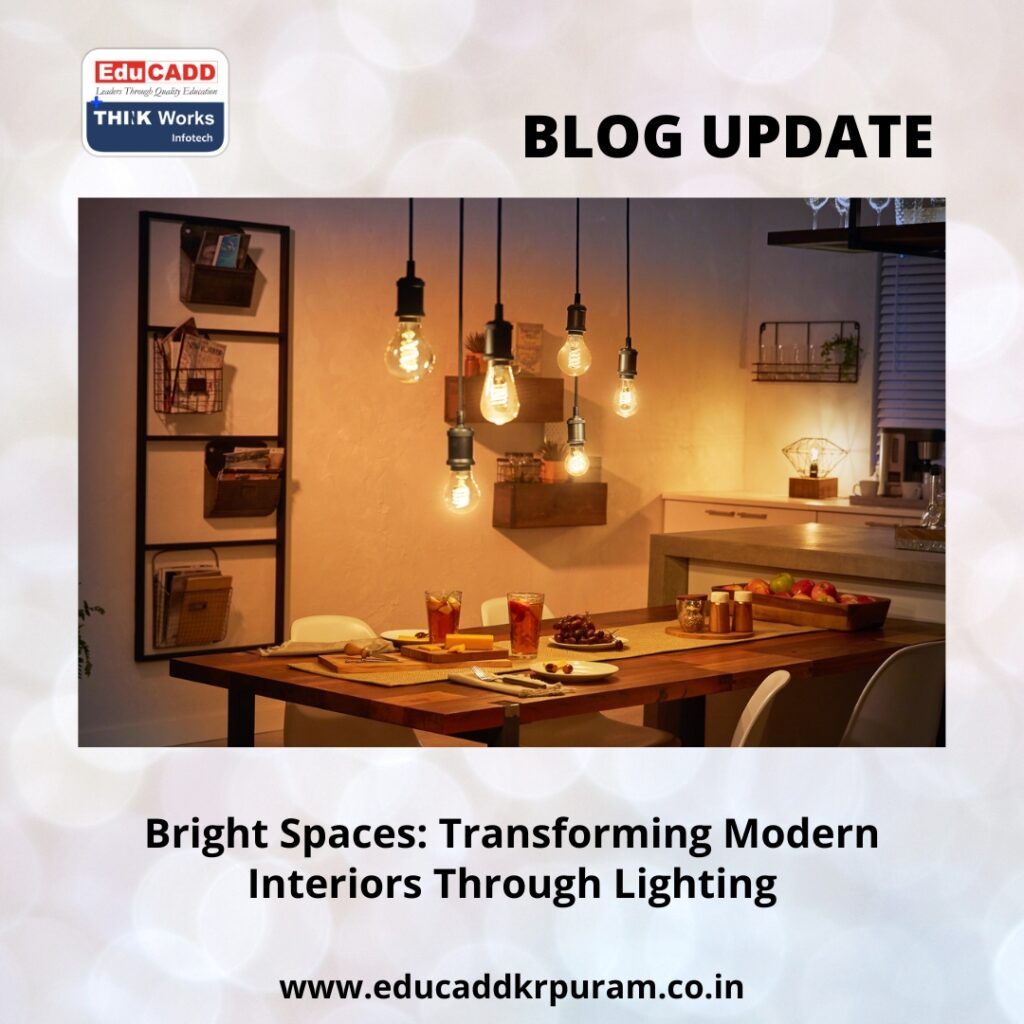
Modern Interior Lighting Design
Modern Interior Lighting Design rely on strategic lighting to bring harmony between aesthetics and utility. Every source of light—from natural daylight to thoughtfully placed fixtures—plays a part in shaping the atmosphere. This blog explores the importance of lighting in contemporary interior design, its emotional impact, and the innovative approaches transforming spaces today.
1. Lighting as the Framework of Modern Interiors
Lighting serves as the backbone of any well-designed interior. It defines space, highlights features, and establishes the overall visual flow. The role of lighting in modern interiors is critical in creating functional zones and guiding attention.
Layered lighting combines ceiling fixtures, wall lights, and task-specific sources to balance brightness and ambiance. In a living room, for instance, a combination of overhead lighting and floor lamps can support reading or social gatherings. Accent lighting highlights architectural elements such as textured walls or exposed beams, enhancing the room’s personality.
2. Shaping Emotions Through Light
Lighting has a powerful effect on human emotion and perception. Warm, soft lighting evokes comfort and relaxation, making bedrooms and lounges inviting. Cooler, brighter light enhances alertness and focus in workspaces. Here, the role of lighting in modern interiors becomes both functional and psychological.
Restaurants, offices, and retail spaces strategically adjust light to influence mood and productivity. Human-centric lighting systems now allow adjustments in intensity and color temperature to match the time of day, enhancing wellbeing and creating spaces that feel natural and balanced.
3. Balancing Natural and Artificial Light
A defining feature of modern interiors is the integration of natural and artificial light. Expansive windows, glass doors, and skylights maximize sunlight, while carefully placed artificial sources maintain consistency and ambiance.
The role of lighting in modern interiors lies in how these two types of light complement each other. LED strips, pendant lights, and recessed fixtures help fill gaps where sunlight doesn’t reach. Smart dimmers and sensors allow smooth transitions from bright daytime light to cozy evening illumination, ensuring comfort and energy efficiency throughout the day.
4. Lighting as a Design Statement
Beyond function, lighting has become a medium for artistic expression. Statement fixtures, sculptural lamps, and innovative LEDs are used to define style and create visual interest. The role of lighting in modern interiors extends to creativity, turning light itself into a decorative element.
A bold chandelier can become the focal point of a minimalist room. Artistic sconces transform hallways into gallery-like spaces, while hidden LEDs highlight furniture and décor subtly. Playing with shadows and reflections adds depth, texture, and drama, making lighting an essential storytelling tool in interior design.
5. Smart and Sustainable Lighting
Modern interiors increasingly embrace technology and sustainability. Smart lighting allows users to adjust brightness, color, and ambiance using apps or voice commands. The role of lighting in modern interiors now includes responsiveness, personalization, and efficiency.
LED technology, solar-powered solutions, and eco-friendly materials minimize environmental impact. Adaptive systems respond to daylight, occupancy, and user preferences, ensuring optimal lighting at all times. This approach creates interiors that are not only stylish but also energy-conscious and tailored to individual needs.
Conclusion
Lighting defines the way we experience interior spaces. Modern Interior Lighting Design goes beyond function—it enhances aesthetics, influences mood, and supports human well-being. From harmonizing natural and artificial light to incorporating artistic and smart solutions, lighting transforms interiors into dynamic, personalized, and inspiring environments.
Thoughtful lighting design ensures spaces are not just seen—they are felt, lived in, and enjoyed. Modern interiors shine brightest when lighting is treated as both a necessity and a creative tool, illuminating life within every room.

