
Electrical Hazard Safeguards: Comprehensive Guide to Short Circuit and Arc Flash Analysis
Electricity powers nearly every aspect of modern life—from industrial operations to commercial offices and residential buildings. Yet, it carries inherent risks that can threaten both personnel and equipment if not properly managed. Two critical areas of electrical safety are Short Circuit Arc Safety. Understanding and implementing these analyses is essential for engineers, facility managers, and safety professionals.
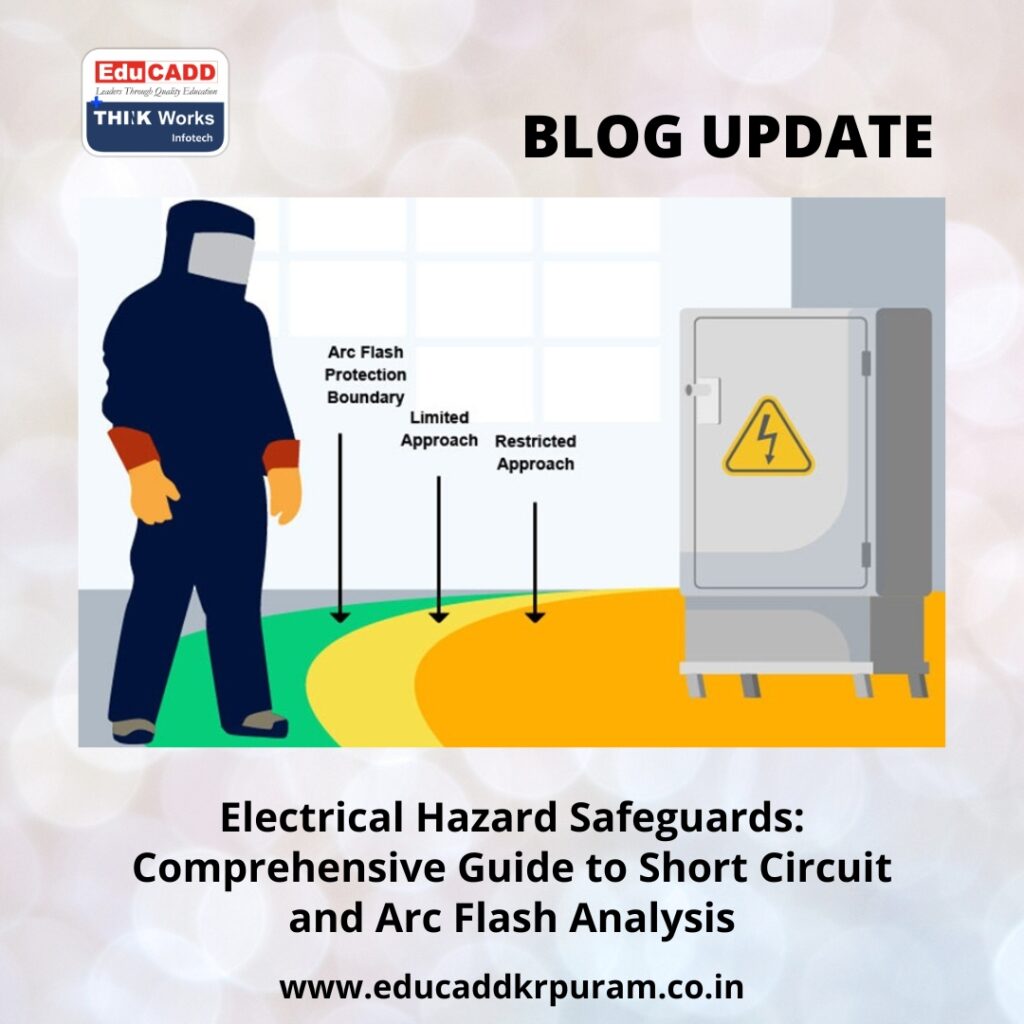
Short Circuit Arc Safety
Short Circuit Arc Safety analysis provide detailed insights into potential electrical faults, helping prevent equipment damage, operational disruptions, and injuries. By accurately predicting fault currents and incident energy, organizations can implement safeguards that protect workers, extend equipment life, and maintain system reliability. This guide explores the fundamentals of these analyses, their importance, and practical strategies for implementation.
What is Short Circuit Analysis?
A short circuit occurs when electricity follows an unintended low-resistance path, causing a sudden surge of current. This can damage electrical equipment, create fire hazards, and disrupt operations.
Short circuit analysis calculates the maximum potential fault current at different points within an electrical system. These calculations help engineers design protective devices such as circuit breakers, fuses, and relays to safely interrupt faults. Without accurate analysis, protective devices may fail to operate correctly, leaving systems exposed to catastrophic failures.
Key elements considered during short circuit analysis include:
-
System capacity – the maximum current that a source can provide.
-
Impedance of conductors – resistance and reactance in cables, busbars, and transformers.
-
Equipment ratings – withstand limits of generators, motors, and transformers.
By performing a short circuit analysis, engineers ensure that protective devices operate in harmony, quickly isolating faults and minimizing equipment damage.
Understanding Arc Flash Analysis
An arc flash is a dangerous event in which electrical current jumps through the air between conductors or to the ground. Arc flashes produce intense heat, bright light, and explosive pressure waves. Temperatures can reach over 35,000°F, enough to vaporize metal and cause severe injuries.
Arc flash analysis calculates the energy released during such events. This information determines the necessary personal protective equipment (PPE) and safe working distances for personnel. Accurate arc flash assessments are crucial for minimizing injury risk and ensuring compliance with safety standards such as NFPA 70E and IEEE 1584.
Key factors in arc flash analysis include:
-
Fault current magnitude
-
Protective device clearing time
-
Working distance from the electrical source
-
System configuration and grounding
By evaluating these variables, organizations can develop effective safety protocols, reduce incident energy exposure, and train employees to respond safely in high-risk environments.
How Short Circuit and Arc Flash Analyses Are Interconnected
Short circuit and arc flash analyses are closely linked. The fault current calculated during a short circuit study forms the basis for arc flash calculations. Without accurate short circuit data, arc flash energy estimates can be misleading, potentially exposing workers to severe hazards.
When performed together, these analyses allow engineers to design protection systems that both prevent equipment damage and minimize arc flash risks. Coordinated studies ensure system reliability while enhancing workplace safety, creating a comprehensive approach to electrical hazard management.
Steps for Conducting Effective Analyses
Executing short circuit and arc flash studies requires a structured approach:
-
Gather Complete System Data
Collect single-line diagrams, equipment ratings, conductor specifications, and protective device information. Accurate data ensures reliable results. -
Model the Electrical System
Use specialized software such as ETAP, SKM PowerTools, or EasyPower to simulate system behavior under fault conditions. Modeling allows precise calculation of fault currents and arc flash energy. -
Perform Calculations
-
Short circuit calculations: Identify maximum fault currents at key points.
-
Arc flash calculations: Use fault currents to determine incident energy levels, PPE requirements, and safe approach distances.
-
-
Review and Update Regularly
Electrical systems evolve over time. Any changes in equipment or configuration require reanalysis to maintain accurate safety data. -
Implement Protective Measures
Use results to select appropriate breakers, fuses, relays, and PPE. Apply clear labeling for arc flash hazards to guide personnel. -
Train Personnel
Ensure employees understand safety protocols, PPE usage, and emergency response procedures. Training translates analytical results into actionable safety practices.
Benefits of Short Circuit and Arc Flash Analysis
Implementing these analyses offers significant advantages:
-
Enhanced Worker Safety – Reduces the risk of injury from electrical faults and arc flashes.
-
Equipment Protection – Limits damage to transformers, switchgear, motors, and other critical equipment.
-
Regulatory Compliance – Aligns with OSHA, NFPA, and IEEE requirements.
-
Operational Continuity – Minimizes unplanned downtime and maintains productivity.
-
Cost Efficiency – Lowers expenses related to equipment replacement, emergency repairs, and worker compensation.
-
Reputation and Trust – Demonstrates a strong commitment to workplace safety, building confidence among employees and clients.
The advantages extend beyond compliance, establishing a proactive culture of risk management while protecting both people and assets.
Real-World Applications
Short circuit and arc flash analysis are critical in a variety of sectors:
-
Manufacturing Facilities – Protect high-value machinery and ensure smooth production.
-
Commercial Buildings – Safeguard office employees and sensitive equipment.
-
Utilities – Maintain grid stability and protect field personnel.
-
Data Centers – Prevent costly downtime from electrical faults.
-
Healthcare Facilities – Ensure continuous operation of life-saving medical equipment.
The applicability of these analyses is broad, making them indispensable wherever electricity is distributed and utilized.
Challenges and Solutions
Despite their importance, performing these analyses can present challenges:
-
Incomplete Data – Maintain updated documentation and conduct regular audits.
-
Complex System Configurations – Use advanced simulation software and expert consultation.
-
Misinterpretation of Results – Train engineers and safety teams to accurately apply study findings.
-
Budget Constraints – Consider analysis costs as investments in safety and reliability.
Addressing these challenges ensures that studies provide actionable insights and maximize safety outcomes.
Conclusion
Electrical safety cannot be compromised. Understanding the Short Circuit Arc Safety is essential for preventing accidents, protecting equipment, and ensuring uninterrupted operations. Accurate fault current calculations and energy assessments enable the selection of appropriate protective devices and PPE, creating a safer working environment.
Integrating these analyses into routine maintenance and safety planning not only ensures regulatory compliance but also fosters a proactive safety culture. By prioritizing short circuit and arc flash studies, organizations safeguard lives, preserve equipment, and strengthen operational reliability.

