
“Living Reimagined: The Interior Transformations Defining 2025”
Interior design is entering one of its most dynamic chapters as 2025 unfolds. Homes are evolving from simple living environments into thoughtful, expressive, and highly functional spaces that respond to modern needs. People no longer view interiors as fixed structures. Instead, they expect them to adapt, inspire, and support their daily routine. The Interior Design Trends 2025 represent a powerful shift toward mindful living, sustainable thinking, and personal expression. Design no longer focuses only on appearance. It aims to improve life, encourage creativity, and build emotional comfort.
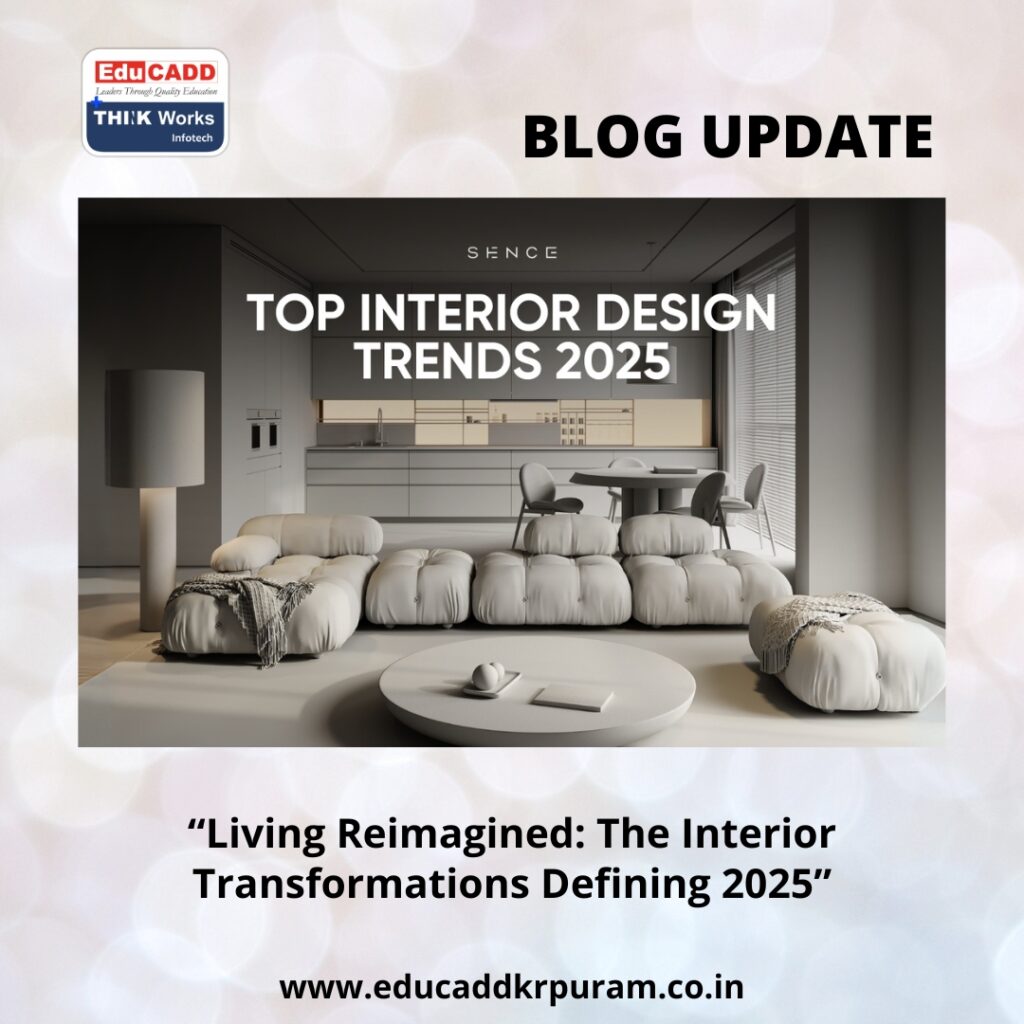
Interior Design Trends 2025
This year’s concepts place humans, nature, and innovation at the center of every decision. Materials, layouts, colors, and technologies work together to build spaces with purpose. As trends evolve, they set new expectations for how we shape our homes, studios, and workplaces. The following sections explore the major interior movements that are shaping the year and defining the future of design.
1. Living With Nature: The Growing Demand for Organic Interiors
One of the most influential Interior Design Trends 2025 is the rising desire for nature-connected environments. Homes are becoming more biophilic, meaning they integrate natural elements to promote balance, peace, and emotional wellness. People want their interiors to breathe. They want spaces that feel alive. This trend gives them a direct connection to the outdoors without sacrificing comfort.
Natural light is now a defining feature of interiors. Large windows, skylights, and open floor plans help sunlight flow freely through living areas. Light has become part of the design structure. It enhances the texture of materials and creates a soft rhythm from morning to evening.
Plants have grown from simple décor to essential components of a room. Designers use indoor trees, vertical plant walls, herb gardens, succulents, and green dividers to bring nature deeper into the home. Many homeowners choose plants that purify air and introduce calm energy. These natural elements create visual interest and promote healthier indoor environments.
Materials also reflect this nature-first approach. Raw wood, woven fibers, terracotta, jute, bamboo, stone, and rustic clay are being used in furniture and décor. These materials deliver warmth and authenticity. Their organic textures make rooms feel grounded and inviting. Earthy palettes—olive green, warm brown, sandstone, sage, and burnt rust—complement the look beautifully.
This nature-inspired trend extends into layout planning. Spaces flow smoothly from one zone to another. Transitional areas, semi-open rooms, and indoor-outdoor hybrids reflect the idea of freedom and openness. Courtyards, garden balconies, and patio extensions merge the home with natural surroundings.
The Interior Design Trends of 2025 reveal a deep desire for sincerity in design. People want spaces that heal, restore, and recharge. Organic interiors deliver exactly that.
2. Digital Living Evolves: Smart Spaces Built for Modern Lifestyles
Technology is reshaping interiors more than ever, and the Interior Design Trends of 2025 show how smoothly it blends into daily life. Smart living has moved far beyond convenience. It now creates immersive, responsive, and personalized experiences. Homes no longer contain technology; they become intelligent environments that adjust to the user.
Smart lighting is one of the most advanced features this year. Lights adapt to natural circadian rhythms, changing brightness and warmth throughout the day. This improves sleep, focus, and relaxation. Voice-controlled systems manage lighting, temperature, entertainment, and daily tasks. Homes even respond to presence, adjusting settings automatically.
Smart furniture has also gained popularity. Modular sofas with built-in charging ports, height-changing tables, convertible seating, and automated storage units make life smoother. Each piece focuses on efficiency and comfort. These innovations support modern routines, especially for people who work from home.
Entertainment spaces have grown more sophisticated. Media rooms now include immersive audio, projection mapping, smart acoustics, and mood lighting. They create cinematic experiences at home. Gamers and creators benefit from smart setups that adjust sound, light, and layout instantly.
Tech-integrated kitchens and bathrooms reflect this trend as well. Motion-sensor taps, smart appliances, aroma-controlled showers, and temperature-controlled mirrors improve usability and efficiency. These features elevate daily routines without overwhelming the space.
Energy-saving technologies form another key focus. Smart meters reduce energy waste. Automated curtains regulate indoor temperature. Solar integration and energy-tracking apps make homes more sustainable.
The Interior Design Trends of 2025 make one point clear: smart living has matured. It supports productivity, enhances comfort, and simplifies life while remaining visually subtle.
3. Eco-Luxury Design: Sustainability With a Sophisticated Edge
Sustainability continues to reshape interior environments, but 2025 brings a luxurious upgrade. The Interior Design Trends of 2025 highlight a new form of eco-conscious design—one that blends environmental responsibility with high-end aesthetics. Homes can now be green and glamorous at the same time.
Recycled materials are crafted into refined forms. Reclaimed wood becomes elegant flooring and statement furniture. Recycled glass appears as artistic lighting, countertops, and decorative installations. Upcycled metals form sleek frames and accent pieces. Designers transform reused materials into sophisticated elements that enhance the space.
Eco-luxury also focuses on craftsmanship. Handmade rugs, artisanal pottery, handwoven fabrics, and traditional carpentry add soul to interiors. These pieces tell stories, celebrate culture, and support sustainable production. They age beautifully, offering lasting value.
Longevity is key. Instead of fast décor, homeowners choose durable furniture that maintains relevance over time. Custom pieces, minimal-waste manufacturing, and modular designs support long-term use. This approach reduces unnecessary consumption while keeping interiors stylish and meaningful.
Sustainable paints, natural insulation, low-VOC finishes, and organic fabrics improve indoor health. These materials avoid harmful chemicals and create safer living environments. Many homes now include water-saving technologies, eco-smart kitchens, compost zones, and efficient heating systems.
Circular design has also taken center stage. Furniture can be repaired, reused, or transformed as needs evolve. Materials are selected for their potential to be repurposed. This reduces environmental impact and encourages thoughtful consumption.
The Interior Design Trends of 2025 show that elegance and sustainability work beautifully together. Eco-luxury proves that responsibility can enhance design, not limit it.
4. Emotional Minimalism: Designing With Purpose and Comfort
Minimalism remains a strong design direction, but it has taken a more emotional turn this year. The Interior Design Trends of 2025 introduce “emotional minimalism,” a style centered on clarity, comfort, and meaningful intention. Instead of empty spaces, designers focus on mindful spaces filled with purpose.
This trend embraces soft and warm color schemes. Cream, almond, cashmere, pebble grey, and muted tan form calming backdrops. These colors reflect light gently and create open, soothing environments. Natural textures, soft fabrics, curved edges, and tactile finishes bring comfort without clutter.
Furniture is functional but thoughtful. Pieces are selected for their utility, durability, and emotional value. Instead of adding many objects, homeowners highlight a few sculptural or handcrafted items that stand out. These elements elevate the room and give it personality without disturbing the minimalist atmosphere.
Storage plays a major role. Built-in units, hidden cabinets, multi-purpose furniture, and sliding solutions keep surfaces tidy. This helps reduce visual noise and supports mental clarity. Emotional minimalism encourages people to surround themselves with only what matters.
Layouts are simple, clean, and efficient. Open spaces allow easy movement and support relaxation. The design adapts to each user’s lifestyle, whether they need space for creativity, rest, or productivity.
This trend blends seamlessly with sustainability and nature-focused design. It provides a balanced foundation that accommodates personal expression and evolving needs. The Interior Design Trends of 2025 highlight how minimalism has softened into a lifestyle that values calmness, order, and emotional well-being.
5. Personalized Interiors: Expressing Identity Through Design
Personalization has become one of the strongest creative movements in 2025. The Interior Design Trends of 2025 show that people want homes that mirror their identity, values, and inspirations. Spaces are no longer built according to generic templates. They are shaped around the person who lives in them.
Bold color choices, customized furniture, and signature décor pieces bring individuality into focus. Accent walls with textured finishes, hand-painted artwork, layered patterns, and expressive lighting make each room unique. Homeowners use art, photography, travel memories, books, and personal collections to create meaningful displays.
Cultural influences enrich interiors further. Designers incorporate handcrafted elements, indigenous textiles, ethnic patterns, and traditional craftsmanship from various regions. This adds emotional depth and cultural richness to the environment. It creates spaces with stories.
Functional personalization also plays a role. Rooms adapt to multiple purposes. A living room may turn into a workspace, reading zone, or creative corner depending on the layout and furniture choices. Modular seating, foldable desks, and movable partitions support this flexibility.
Emotional design enhances the experience. Soft textures, warm lighting, cozy nooks, and soothing colors help create positive energy. People feel comfort, inspiration, and belonging in these personalized spaces.
The Interior Design Trends of 2025 recognize that homes should reflect individuality. They should celebrate personality, support lifestyle preferences, and cultivate emotional well-being. Personalization marks the future of interior design.
Conclusion
The Interior Design Trends 2025 reflect a major evolution in the way people shape and experience their spaces. This year emphasizes thoughtful design, human comfort, sustainability, personalization, and seamless innovation. Homes are becoming more organic, intelligent, expressive, and balanced. Each trend shows a commitment to creating environments that align with modern life and future aspirations.
Design is no longer about decoration alone. It is a way to improve daily living, support emotional health, and express identity. The transformations of 2025 mark the beginning of a new design era—one that respects nature, embraces technology, celebrates individuality, and prioritizes well-being.

