
Design That Drives Impact: Reinventing Modern Commercial Interiors
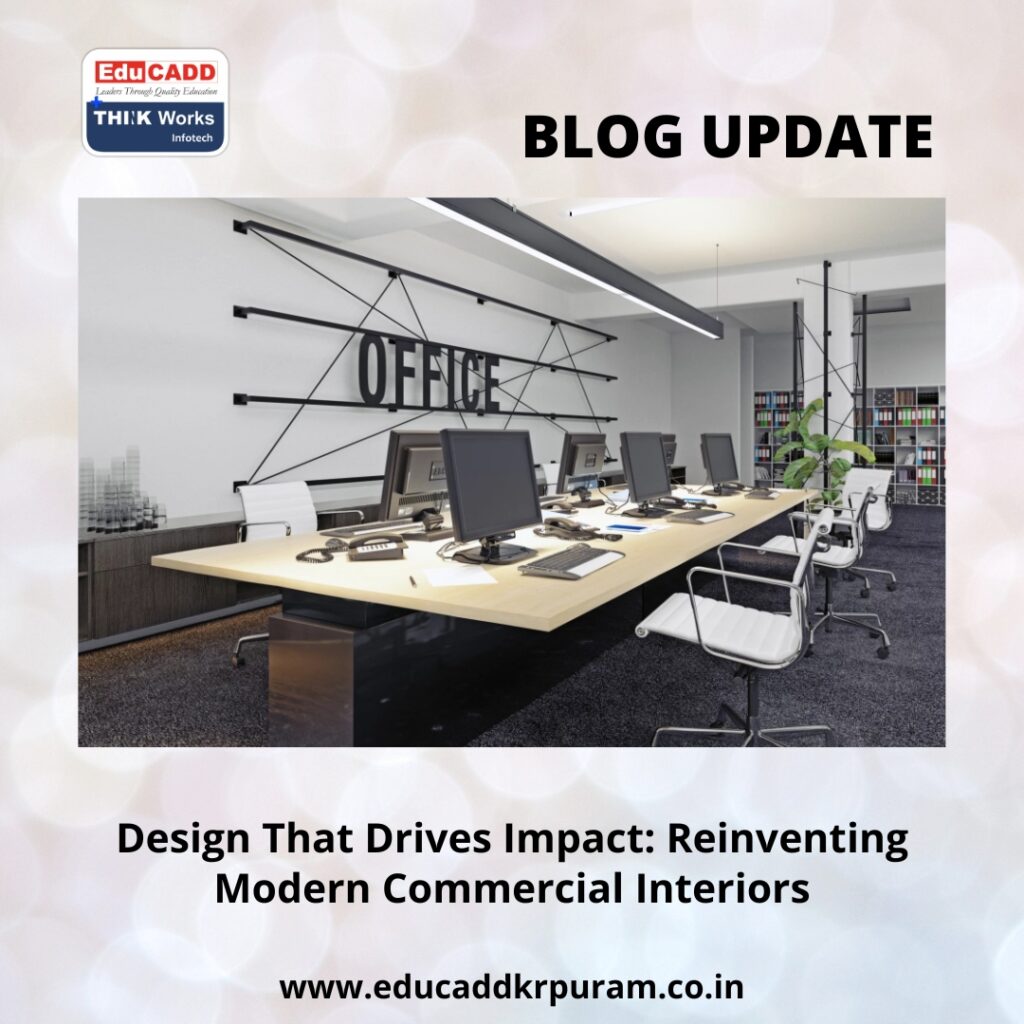
Modern Commercial Interior Design
Commercial spaces influence how people move, think, and experience a brand. The moment someone walks into an office, a mall, a store, or a hospitality environment, they react to the design—even before noticing products or services. This is why Modern Commercial Interior Design has shifted from being a decorative luxury to a strategic business priority.
When a space blends functionality, aesthetics, and purpose, it becomes more than an environment—it becomes an experience. This blog explores how design transforms commercial spaces, enhances brand image, boosts productivity, and builds long-lasting emotional connections.
1. Modern Offices That Inspire Focus, Innovation, and Collaboration
Today’s workplaces must support flexible work styles, different personalities, and fast-changing team needs. A well-designed office creates balance between productivity, comfort, and creativity. Because of this, Modern Commercial Interior Design takes a people-first approach.
Creating a High-Performance Environment
Employees concentrate better when the space supports their natural workflow. Open offices encourage teamwork, while enclosed rooms allow for private discussions. Designers also include quiet nooks for focused tasks. These zones help employees switch between modes without losing time or energy.
The Role of Ergonomics and Well-Being
Furniture is no longer purely functional. Ergonomic chairs, height-adjustable desks, footrests, and proper lumbar support reduce fatigue and prevent long-term strain. Natural lighting lifts mood, boosts alertness, and maintains overall wellness. Adding indoor plants improves air quality and brings calmness to the workspace.
Branding That Speaks Without Words
Interior design visually communicates culture. Brands reflect their personality through textures, colours, wall art, and furniture choices. A tech company may prefer sleek modern layouts, while a creative agency may opt for bold hues and expressive décor. When employees and visitors experience these visual cues, they instantly understand the brand’s character.
Future-Ready Flexibility
Businesses grow, teams shift, and new roles emerge. Therefore, offices must adapt without major construction. Modular partitions, mobile workstations, multipurpose lounges, and convertible meeting rooms make expansion smoother. A flexible office design remains relevant even as workplace dynamics evolve.
2. Retail & Mall Interiors That Shape Consumer Choices and Elevate Engagement
Retail design has transformed dramatically as consumer expectations rise. Shopping is no longer just about buying—it is about experiencing. Malls and retail stores depend on intelligent Commercial Interior Design to drive footfall, increase conversion, and create memorable interactions.
Capturing Attention from the Entrance
A striking store frontage attracts customers instantly. Clean lighting, bold displays, and clear signage encourage passersby to enter. Once inside, the layout guides them on a smooth journey. A well-planned path exposes visitors to multiple sections, increasing the chances of a purchase.
Lighting That Influences Mood and Behaviour
Bright lighting showcases products clearly, while accent lighting highlights premium items. Warm tones create comfort, and cool lighting enhances a dynamic atmosphere. Retailers use these lighting choices to control attention and create emotional responses.
Design That Enhances the Shopping Experience
Textures, colours, décor elements, and product displays work together to create excitement. Interactive screens, mirrors, and digital setups engage customers more deeply. In malls, themed corridors, seating spots, fountains, and greenery enhance overall ambience and make longer visits enjoyable.
Competing with the Digital World
As online shopping grows, physical stores must offer something the digital world cannot: real experiences. A thoughtfully designed space connects emotionally with shoppers, tells a brand story, and encourages repeat visits.
3. Space Planning That Strengthens Efficiency and User Flow
The foundation of strong Modern Commercial Interior Design lies in intelligent planning. Good space planning ensures smoother movement, comfort, safety, and maximum utility. No matter the commercial type—office, mall, co-working space, or showroom—every square foot must serve a purpose.
Understanding User Behaviour
Designers analyse how people will use the space. Offices need a balance between collaboration and privacy. Retail outlets need strategic placement of high-demand products. Hospitality spaces require fluid movement between service areas and guest seating.
Zoning That Organises Purpose
Zoning divides the space into functional clusters. In offices, meeting rooms stay grouped away from high-traffic zones. In malls, entertainment and dining areas remain separated to avoid noise overlap. Clear zoning prevents chaos and makes navigation intuitive.
Accessibility and Safety
Modern commercial spaces must be inclusive. Designers factor in ramps, wider corridors, tactile flooring, thoughtful lighting, and visible signage. This helps everyone—children, seniors, and people with disabilities—move comfortably. Emergency exits, safe pathways, ventilation, and fire-resistant materials also form a core part of planning.
Technology-Driven Visualisation
3D design tools and virtual walkthroughs help businesses visualise layouts before construction. This reduces errors and improves decision-making. When space planning is executed with precision, the final environment feels natural, efficient, and harmonious.
4. Materials, Aesthetic Elements, and Branding Layers That Define Identity
The materials and aesthetics of a commercial interior influence perception, comfort, durability, and brand identity. Every choice—from flooring to wall treatments—creates a message about the organisation’s values.
Selecting Materials with Purpose
Offices benefit from acoustic panels, warm wood tones, and soft textures that create a peaceful setting. Retail spaces prefer glossy finishes, reflective surfaces, and dynamic colours that catch the eye quickly. Hospitality interiors lean toward plush fabrics, rich materials, and mood lighting to create a sense of luxury.
Aesthetic Harmony
Designers build harmony by balancing colours, patterns, lighting, and textures. Accent walls, statement pieces, and creative installations break monotony and add personality. When aesthetics align with brand values, they create a consistent and recognisable identity.
Brand Storytelling Through Interiors
Every element—from signage to artwork—contributes to brand storytelling. When visitors see a coherent visual message, they form stronger connections with the brand. This consistency improves recall, trust, and brand loyalty.
Sustainable and Responsible Choices
Eco-conscious design has become a major priority. Recycled materials, bamboo flooring, green paint alternatives, and energy-efficient lighting create healthier spaces and support environmental responsibility. These choices also strengthen the company’s public image as a modern, responsible brand.
5. Design Trends Transforming Modern Commercial Spaces
Trends in Commercial Interior Design evolve with lifestyle shifts, technological advancements, and changing expectations. Today’s commercial spaces focus on adaptability, wellness, digital integration, and immersive experiences.
Smart Technology Integration
Automation controls lighting, ventilation, door access, and resource usage. Digital screens help with branding and communication. Touch-free systems improve hygiene in high-traffic spaces like malls and offices.
Workspaces for Hybrid Culture
Hybrid work culture demands agility. Offices now include lounge-style areas, digital collaboration zones, shared desks, and wellness rooms. These features support both remote and in-office teams while maintaining productivity.
Experiential Retail Environments
Retail design is shifting toward experience-first concepts. Projection walls, interactive product displays, sensory elements, and immersive visuals turn shopping into a creative journey.
Rise of Biophilic Design
Plants, natural textures, water features, and earthy colour schemes add calmness and reduce stress. Biophilic design makes commercial spaces feel refreshing and improves overall well-being.
Sustainable Design Leading the Future
Energy efficiency, upcycled materials, rainwater harvesting, and green certifications are becoming standard. Businesses recognise that sustainability is not just eco-friendly but economically smart.
Conclusion
Commercial spaces have a direct impact on behaviour, efficiency, and emotional connection. With the right approach, Modern Commercial Interior Design converts ordinary environments into memorable experiences. Offices become more productive and inspiring. Retail spaces encourage exploration and engagement. Malls evolve into full-day destinations. Every thoughtful design choice strengthens brand identity and enhances user satisfaction.
As trends continue shifting and expectations rise, businesses that invest in strategic interior design gain a valuable advantage—spaces that not only look beautiful but also perform with purpose, clarity, and impact.

