
Blueprints of the Future: A Deep Dive into Bridge Modeling with Civil CAD
Bridge engineering has evolved from manual sketches to intelligent digital ecosystems. Today, the ability to Bridge Modeling Civil CAD software is a fundamental requirement for every civil engineer, designer, and infrastructure team. Precise digital models make it possible to visualize structures before they exist, test performance under real conditions, and streamline collaboration across disciplines.
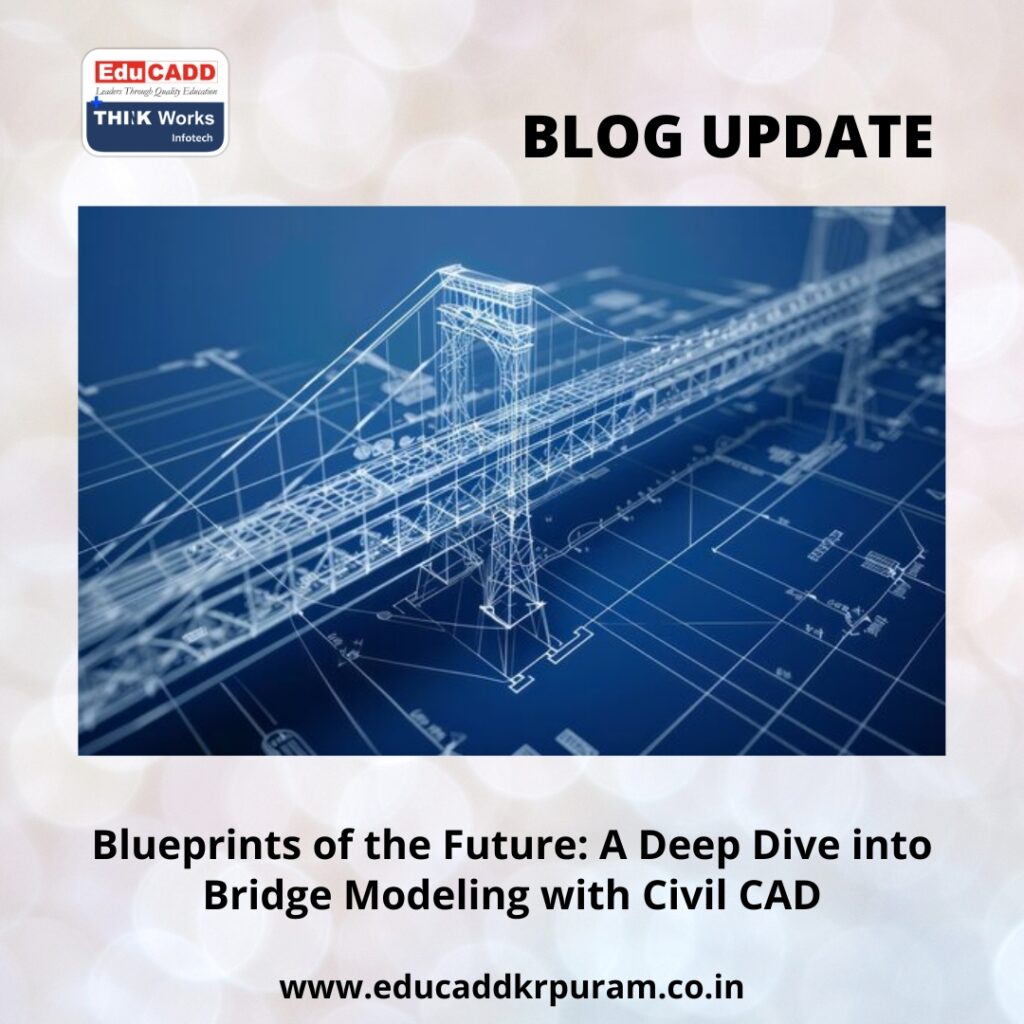
Bridge Modeling Civil CAD
As infrastructure needs grow, CAD-based modeling helps teams deliver safer bridges with fewer errors and faster timelines. It empowers engineers to explore alternatives with confidence, refine structural behavior, and create clear construction documents. This detailed guide walks through the complete bridge-modeling journey—starting from project setup and ending with final deliverables. Each section offers practical insights, actionable steps, and professional practices for building accurate, analysis-ready models.
1. Building the Digital Groundwork: Essential Foundations for Bridge Modeling
Every successful bridge project begins with a solid digital foundation. When you Bridge Modeling Civil CAD, the setup phase influences how efficiently you work through the rest of the design. Poor preparation often leads to errors, rework, and inconsistencies. A structured setup, however, keeps the project organized and ensures design accuracy.
The first step is defining the project environment. Establish units, design codes, and coordinate systems before drawing anything. These choices control scale, alignment, and compliance with national standards. If these settings remain unclear, later calculations could become invalid.
Next, bring in survey data or topographic information. High-quality terrain input is essential because bridge placement depends on elevation changes and natural obstacles. Clean the surface by removing duplicate points, spikes, and gaps. A reliable base surface ensures your foundations and alignments sit correctly.
Now move to alignments. Import or design the horizontal and vertical alignment that guides the roadway. The alignment controls the bridge’s direction and slope, so accuracy is vital. Generate profiles and cross-sections to understand how the bridge interacts with the terrain.
Create an organized layer structure. Separate decks, girders, piers, bearings, utilities, and support elements. A clear layer system improves visibility control, simplifies edits, and prevents element overlap. Naming conventions also help when teams collaborate across disciplines.
This setup stage creates digital stability. With correct units, clean terrain, and clear layers, you establish the foundation for a precise and efficient model that will support advanced structural design throughout the project.
2. Designing the Upper Structure: Crafting Decks, Girders, and Load-Carrying Components
The superstructure forms the visible and load-bearing portion of the bridge. It includes decks, girders, diaphragms, and barriers. When you Bridge Modeling Civil CAD, accuracy in this section is important because these elements handle the heaviest stresses.
Start with the deck. Use the road alignment, cross-slopes, and transitions to shape the driving surface. Ensure deck width matches lane standards and that superelevation changes align with road geometry. A precise deck model prevents geometric clashes when guardrails, barriers, and utility lines are added.
Next, create the supporting girders. Civil CAD platforms provide libraries for steel I-girders, prestressed concrete types, box girders, and segmental options. Choose the girder style based on the bridge span and structural requirements. Set spacing according to design guidelines. Align girder ends with bearings or pier caps to maintain stability.
Add diaphragms or cross-frames to improve lateral strength. These components keep girders aligned under traffic and wind loads. Automated tools in modern CAD software can generate diaphragms across spans, but manual review ensures proper fit.
Now introduce parapets, sidewalks, and expansion joints. Expansion joints must reflect temperature-induced movements, while barriers must meet safety codes for impact loads. Even minor errors in these elements can affect construction.
During this stage, maintain organized layers and check element connectivity. Superstructure accuracy builds trust in the digital model and prepares the design for structural analysis. A well-detailed superstructure acts as the backbone of the bridge and ensures a reliable structural system.
3. Engineering the Substructure: Foundations, Piers, and Abutments
The substructure carries loads from the superstructure into the ground. Precision is crucial because mistakes at this stage weaken the entire structure. When you model bridges in Civil CAD, always review geotechnical data before constructing foundations.
Start with soil parameters and groundwater conditions. These values influence footing sizes, pile depths, and bearing capacity. Once data is validated, model footings, piles, or drilled shafts with parametric tools. These tools allow you to adjust dimensions quickly during analysis.
Next, develop pier geometry. Piers can have round, rectangular, or composite shapes based on the project’s structural needs. Use templates to standardize pier caps, shafts, and column spacing. Consistency across spans reduces design errors and supports clean load transfer.
Add bearings to bridge the superstructure and substructure. Select elastomeric, pot, or spherical bearings depending on expected rotations and movements. Define translation allowances and rotational limits to match structural behavior.
Move to abutments. They support the bridge ends and retain soil for the approach road. Proper abutment modeling ensures smooth road transitions and reduces settlement risks. Include wing walls, backwalls, and drainage details to prevent erosion and water pressure buildup.
Coordinate elevation levels between superstructure and substructure elements. Misalignments often lead to fit-up problems during construction. A strong substructure model guarantees stability, longevity, and resistance to environmental forces.
4. Testing Strength Through Simulation: Structural Analysis and Performance Verification
A digital model must perform as well as it looks. That is why structural analysis is a defining step when you Bridge Modeling Civil CAD. Simulation tools help predict how the bridge behaves under traffic, temperature changes, earthquakes, and wind.
Begin by preparing the analytical model. Civil CAD software can convert the physical model into a simplified structural representation. Clean connectivity is crucial. Ensure nodes, beams, and supports link properly so analysis results remain accurate.
Define load cases and combinations. Include live loads from vehicles, dead loads from materials, wind pressure, thermal expansion, braking forces, and seismic activity. Use local code requirements to define intensity values.
Assign precise material properties. Avoid generic entries. Select certified concrete grades, steel strengths, and reinforcement data. Accurate materials ensure correct stiffness and stress calculations.
Once the model is ready, run analysis simulations. Study bending moments, shear forces, axial loads, and deflection diagrams. If certain elements exceed allowable limits, adjust dimensions or spacing. This iterative process refines structural performance.
Check dynamic behavior next. For long bridges, vibration and resonance are critical concerns. Seismic analysis ensures structural resilience during earthquakes. Most modern tools offer time-history or response-spectrum analysis for realistic simulation.
Document results clearly. Analysis reports support technical decisions, prove code compliance, and guide field teams. Robust analysis transforms your digital concept into a safer, stronger, and validated design ready for construction.
5. Finalizing Delivery: Drawings, Quantities, and Interdisciplinary Coordination
The last step transforms your digital model into a construction-ready package. Drawings, reports, and quantity estimates guide contractors throughout the building process. Clear communication prevents delays and misinterpretations.
Start by generating general arrangement drawings. These include plan views, profile views, and elevation layouts. Add dimensions, slopes, labels, and station values. Ensure clarity by managing layer visibility and line types.
Cut cross-sections through key locations. Sections reveal girder spacing, deck reinforcement, bearing details, and pier geometry. They offer contractors a closer look at critical zones.
Generate 3D visualizations. Contractors use these models for planning and equipment positioning. Many Civil CAD platforms allow export to BIM viewers for clash detection. This ensures utilities, drainage pipes, and structural elements avoid interference.
Prepare quantity takeoffs. Automated extraction tools calculate concrete volumes, steel weights, footing sizes, and reinforcement lengths. This supports budgeting and procurement.
Coordinate with surveyors, architects, road designers, and MEP engineers. Share the final model in formats like IFC or LandXML so other teams can validate and align their work. Seamless coordination reduces rework, improves accuracy, and accelerates construction phases.
With complete drawings, schedules, and models, your design becomes a clear guide for building the actual structure. This final step transforms digital precision into real-world engineering success.
Conclusion
Bridge modeling has become a central component of modern civil engineering. The ability to Bridge Modeling Civil CAD empowers professionals to design safer structures, understand performance before construction, and communicate ideas more effectively. From foundational setup to advanced structural analysis, each step supports a stronger final design.
This detailed guide explored every phase of digital bridge creation—project setup, superstructure modeling, substructure engineering, simulation, and final documentation. As software continues to advance, bridge modeling will grow more efficient, immersive, and collaborative. Engineers who master these tools gain a significant advantage in delivering innovative and resilient infrastructure.

