
Illuminating Intent: A Deep Dive into Lighting Design from Soft Foundations to Striking Highlights
Light is not merely a functional requirement in a space. It is an invisible architect that shapes perception, guides movement, and defines emotional responses. A Lighting Design Principles Guide plan can make a small room feel expansive, a plain wall feel dramatic, and a functional space feel inspiring. When lighting design is approached thoughtfully, it becomes one of the most powerful tools in interior and architectural design.
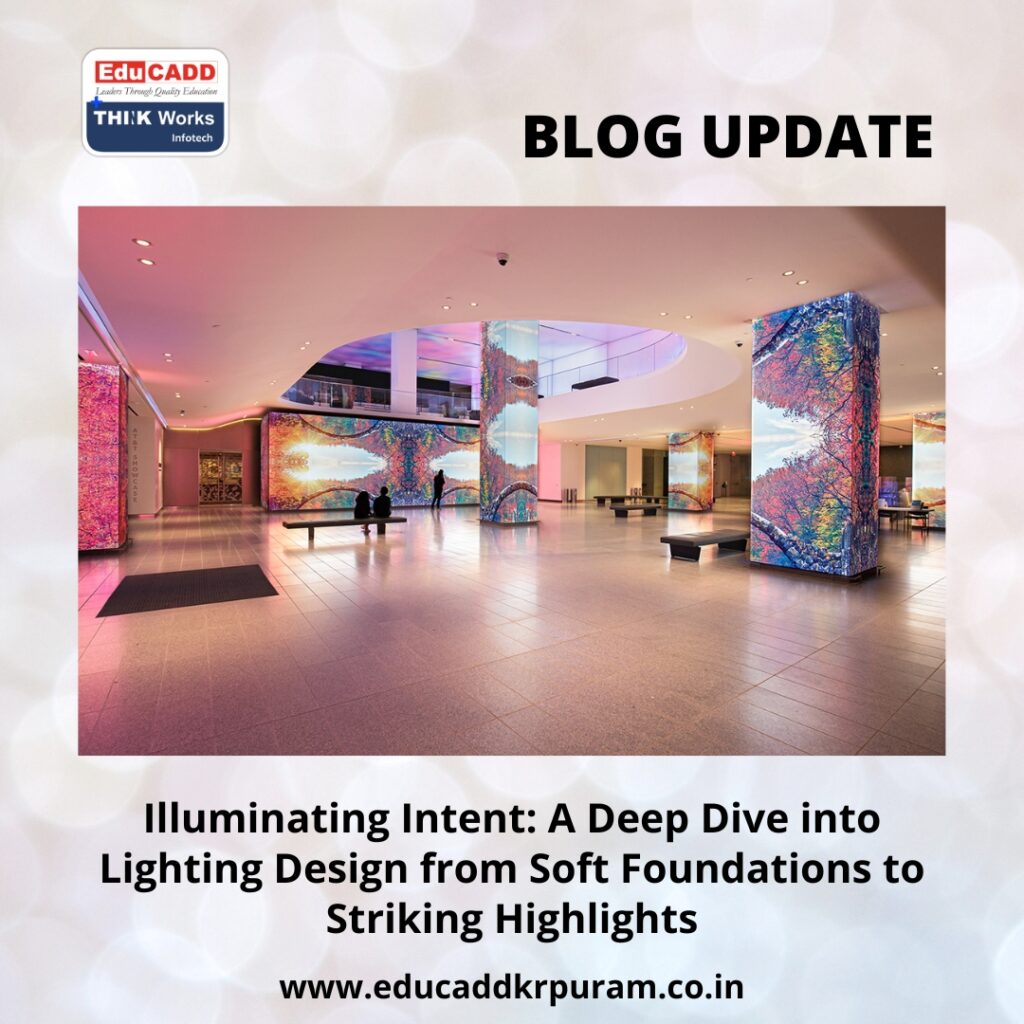
Lighting Design Principles Guide
Learning Lighting Design Principles Guide from ambient to accent involves much more than choosing attractive fixtures. It requires an understanding of human behavior, visual comfort, spatial hierarchy, and technical precision. Each lighting layer serves a specific role, yet all layers must work together seamlessly. This comprehensive guide explores lighting design step by step, helping you understand how light builds atmosphere, supports activity, and adds character. By the end of this blog, you will view lighting as a deliberate design language rather than a decorative afterthought.
1. The Core Principles of Lighting Design and Visual Comfort
Every successful lighting design begins with a strong conceptual foundation. Light affects how people experience a space physically and emotionally. Poor lighting leads to discomfort, fatigue, and disorientation, while well-planned lighting creates clarity and ease.
At its core, lighting design serves three essential purposes. It enables visibility, enhances aesthetics, and ensures comfort. Visibility allows people to move and work safely. Aesthetics bring out form, texture, and color. Comfort protects the eyes and supports long-term use of a space.
Several technical elements influence these outcomes. Light intensity determines how bright or dim a space feels. Color temperature influences mood, ranging from warm and calming to cool and energizing. Direction controls how shadows appear, adding depth or softness. Distribution affects how evenly light spreads across surfaces.
Another important factor is adaptation. Human eyes constantly adjust to changes in brightness. Sudden contrasts or glare disrupt this process. Designers must plan lighting transitions carefully to maintain visual harmony.
Understanding these principles helps you design lighting that feels natural rather than forced. Strong fundamentals ensure that every lighting decision supports both function and experience.
2. Ambient Lighting: Building the Emotional and Functional Base
Ambient lighting forms the foundation of any lighting scheme. It provides overall illumination and sets the general mood of a space. Without this layer, interiors feel incomplete and difficult to navigate.
This type of lighting usually comes from ceiling-mounted fixtures, recessed downlights, indirect coves, or wall-mounted sources. The aim is to distribute light evenly while avoiding harsh shadows and bright spots. Soft, reflected light often works best because it feels gentle and welcoming.
Brightness levels must be carefully balanced. Insufficient ambient lighting creates dull and unsafe environments. Excessive brightness leads to discomfort and visual fatigue. Designers calculate light levels based on room size, ceiling height, and intended use.
Color temperature also plays a critical role. Warm light enhances relaxation in homes and hospitality spaces. Neutral tones support clarity in work environments. Selecting the right tone ensures that the space feels appropriate for its purpose.
Ambient lighting establishes the emotional baseline of a room. When this layer is designed correctly, all other lighting elements integrate more smoothly and effectively.
3. Task Lighting: Precision That Enhances Daily Activities
Task lighting focuses on performance. It provides targeted illumination for specific activities that require accuracy and concentration. Ambient lighting alone cannot support these needs effectively.
Reading, writing, cooking, grooming, and working all demand focused light. Task lighting solutions include desk lamps, under-cabinet lights, pendant fixtures over worktops, and mirror lights in bathrooms. These fixtures direct light exactly where it is needed.
Placement is crucial. Light must reach the task area without casting shadows or causing glare. For example, desk lighting should come from the opposite side of the dominant hand. Kitchen lighting should illuminate counters from the front rather than behind.
Brightness levels for task lighting are higher than ambient lighting, yet they must still feel comfortable. Adjustable fixtures and dimmers provide flexibility and allow users to adapt lighting throughout the day.
Task lighting improves efficiency and reduces strain. It ensures that spaces support real-life activities with clarity and ease, making lighting design both practical and human-centered.
4. Accent Lighting: Guiding Attention and Creating Depth
Accent lighting introduces contrast and focus into a space. It highlights features that deserve attention and adds visual drama. This layer transforms flat interiors into engaging environments.
Artwork, sculptures, textured surfaces, architectural details, and display areas benefit greatly from accent lighting. Spotlights, track lights, wall washers, and recessed fixtures are commonly used for this purpose.
Contrast defines effective accent lighting. Highlighted elements should appear noticeably brighter than their surroundings. This difference guides the eye naturally and establishes visual hierarchy within the space.
Angle and distance determine success. Poor positioning causes glare or flattens surfaces. Proper placement enhances texture, depth, and form. For instance, grazing light across a stone wall emphasizes its natural patterns and material richness.
Accent lighting also supports storytelling. In commercial spaces, it draws attention to key products. In residential settings, it highlights personal collections and design features. This layer adds personality and intention to lighting design.
5. Decorative Lighting: Expressing Identity Through Light
Decorative lighting blends illumination with artistic expression. These fixtures act as visual focal points while contributing to the lighting plan. Chandeliers, pendant lights, and sculptural lamps fall into this category.
Unlike purely functional lighting, decorative lighting communicates style and character. It reflects the identity of the space and its occupants. However, visual appeal should never compromise usability.
Proportion and scale play major roles. Oversized fixtures create strong statements in large rooms. Smaller designs add elegance and detail to intimate spaces. Decorative lighting often defines zones in open layouts, such as dining or seating areas.
Materials and finishes influence how light behaves. Glass softens and diffuses illumination. Metal reflects light sharply. Fabric shades create warmth and intimacy. These qualities affect mood and visual texture.
Decorative lighting brings emotion into design. It connects lighting with architecture and interior themes, turning light into a storytelling element.
6. Layered Lighting: Creating Adaptable and Balanced Spaces
Layered lighting combines ambient, task, accent, and decorative lighting into a cohesive system. This approach ensures flexibility, balance, and visual richness.
Different activities and times of day require different lighting moods. Layered lighting allows spaces to adapt easily. Bright, even light supports daytime productivity. Softer, focused lighting encourages evening relaxation.
Control systems enhance this flexibility. Dimmers, zones, and smart controls allow users to adjust brightness and focus effortlessly. These systems also improve energy efficiency by reducing unnecessary usage.
Layering establishes visual order. Ambient lighting creates the base. Task lighting supports function. Accent lighting adds emphasis. Decorative lighting completes the composition. Each layer has a clear role, yet none overpower the others.
Mastering layered lighting is essential for advanced lighting design. It ensures that spaces remain functional, expressive, and comfortable under changing conditions.
7. Sustainable and Human-Centered Lighting Design
Modern lighting design places strong emphasis on sustainability and well-being. Energy efficiency, environmental responsibility, and human comfort now guide design decisions.
LED technology has transformed lighting design. LEDs consume less energy, last longer, and offer greater flexibility in form and color. Their efficiency reduces operational costs and environmental impact.
Smart lighting systems further improve sustainability. Sensors adjust lighting based on occupancy and daylight availability. Automated controls ensure optimal usage without constant manual intervention.
Human-centered lighting focuses on biological needs. Artificial lighting is designed to support natural circadian rhythms. Brighter, cooler light enhances alertness during the day. Warmer, softer light encourages relaxation in the evening.
Sustainable lighting design also considers materials and lifecycle impact. Durable fixtures reduce waste. Thoughtful planning minimizes unnecessary components. These practices ensure long-term value and responsibility.
Learning lighting design today means designing for people and the planet simultaneously.
Conclusion: Designing Experiences Through the Power of Light
Lighting Design Principles Guide is not about fixtures alone. It is about intention, balance, and experience. When you understand how ambient, task, accent, and decorative lighting work together, you gain the ability to shape spaces with precision and emotion.
From creating comfort and clarity to adding drama and identity, each lighting layer plays a vital role. Thoughtful lighting enhances architecture, supports daily activities, and influences how people feel within a space. When combined with smart technology and sustainable practices, it also prepares interiors for the future.
Ultimately, mastering lighting design means learning to think in light. With knowledge, practice, and creativity, light becomes a powerful design language that transforms spaces into meaningful experiences.

