
Unlocking the Power of Marketing Funnels: The Ultimate Guide to Lead Generation Success
In today’s digitally driven marketplace, simply promoting products or services sporadically is no longer enough to ensure consistent growth. Businesses need a structured approach to attract potential customers, nurture relationships, and convert interest into action. This is where Lead Generation Marketing Funnels come into play. Unlike traditional marketing methods, funnels provide a systematic roadmap that guides prospects from the moment they discover a brand to the point where they become qualified leads.
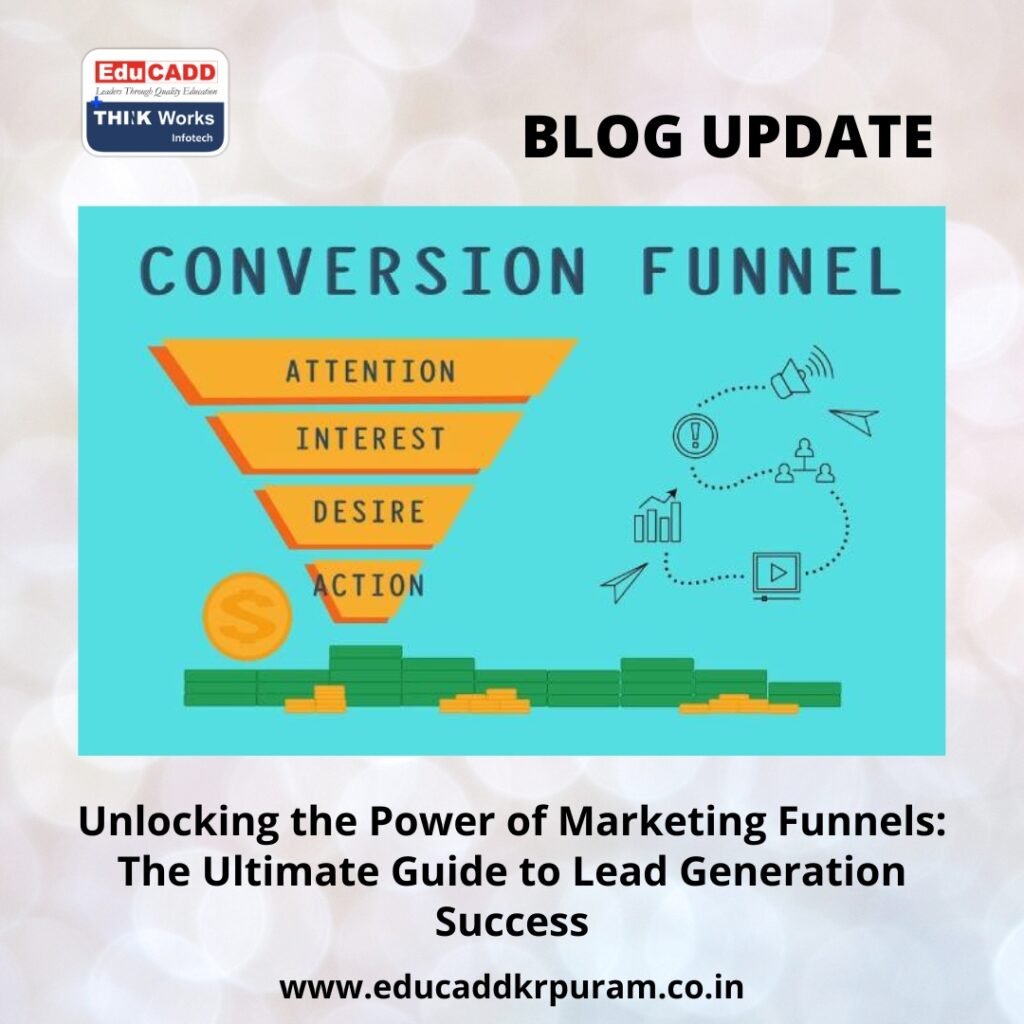
Lead Generation Marketing Funnels
This comprehensive guide aims to help marketers, entrepreneurs, and business owners fully understand how to build, optimize, and implement marketing funnels that generate high-quality leads. From the psychology behind buyer behavior to the tactical strategies that convert, this blog will equip you with everything necessary to create an effective lead generation framework. By the end, you will have a clear, actionable blueprint to attract the right audience, nurture engagement, and convert prospects into loyal customers.
1. Understanding Marketing Funnels: A Strategic Perspective
A marketing funnel is not merely a set of sales steps; it’s a strategic framework that maps out the customer journey from awareness to conversion. At the top of the funnel, prospects are introduced to your brand and begin exploring your offerings. The middle of the funnel focuses on engagement, education, and nurturing. Finally, the bottom of the funnel concentrates on conversion, turning prospects into leads or customers.
When designed thoughtfully, marketing funnels for lead generation create a seamless experience that aligns with the buyer’s mindset. Instead of pushing products immediately, funnels focus on building trust, providing value, and guiding prospects naturally toward a decision. This structured approach reduces friction, improves lead quality, and makes marketing measurable and scalable.
2. Why Marketing Funnels Are Crucial in Modern Lead Generation
The modern consumer is informed, discerning, and often skeptical of traditional sales tactics. They research, compare options, and make decisions at their own pace. Marketing funnels for lead generation cater to this behavior by offering structured guidance rather than aggressive selling.
Funnels also allow businesses to segment their audience and deliver personalized messaging. This ensures that the right prospects receive the right content at the right time. Companies leveraging funnels can predict lead flow, identify gaps in engagement, and optimize performance based on data rather than guesswork. Learning how to implement effective funnels is therefore crucial for achieving sustainable growth in today’s competitive landscape.
3. The Role of Psychology in Marketing Funnels
Every successful marketing funnel is rooted in an understanding of human behavior. Buyers progress through stages of awareness, consideration, and decision-making, guided by both emotional and rational factors. Marketing funnels for lead generation are most effective when they mirror this natural decision-making process.
Early-stage prospects are driven by curiosity and problem recognition. Middle-stage prospects seek information, comparisons, and reassurance. Bottom-stage prospects require confidence, clarity, and compelling reasons to act. By aligning funnel strategies with these psychological triggers, businesses can guide prospects smoothly, increase engagement, and reduce resistance at every stage.
4. Top-of-Funnel Strategies: Attracting Targeted Attention
The top of the funnel (TOFU) is focused on attracting prospects and generating awareness. Content should educate, inform, and address initial pain points without being overtly promotional. Examples of top-of-funnel content include blogs, social media posts, explainer videos, and SEO-optimized articles.
Marketing funnels for lead generation are only effective when they attract the right audience. Targeted messaging ensures that prospects entering your funnel are genuinely interested in your offerings. A strong TOFU strategy establishes credibility, encourages exploration, and sets the foundation for deeper engagement further down the funnel.
5. Crafting Content That Converts at Every Stage
Content is the cornerstone of a successful marketing funnel. It serves as both an attraction mechanism and a tool for nurturing prospects. High-value content directly addresses pain points, provides actionable solutions, and builds credibility for your brand.
To maximize the effectiveness of marketing funnels for lead generation, content must be strategic. Every blog, video, or social post should include a clear next step that guides the prospect deeper into the funnel. Educational and informative content ensures that engagement is meaningful, while strategically placed calls to action gently lead prospects toward conversion.
6. Middle-of-Funnel Engagement: Turning Interest Into Action
The middle of the funnel (MOFU) is where prospects move from casual interest to active consideration. At this stage, individuals are aware of their problem and are evaluating potential solutions. Your objective is to provide clarity, demonstrate expertise, and build trust.
Marketing funnels for lead generation thrive at this stage through lead magnets, such as ebooks, webinars, free tools, templates, and guides. Well-designed landing pages and persuasive messaging increase the likelihood of capturing a prospect’s contact information. The MOFU effectively filters out less engaged visitors while preparing high-potential prospects for conversion.
7. Designing Lead Magnets That Actually Deliver Value
Lead magnets are a critical component of any marketing funnel. They serve as the exchange point where prospects share their contact information in return for something valuable. Generic offers rarely convert because they do not address immediate needs.
To maximize results, lead magnets should solve a specific problem, be easy to access, and provide actionable insights. Visual design, compelling copy, and clear benefits significantly enhance conversion rates. When prospects perceive tangible value, trust in your brand grows, setting the stage for further engagement within the funnel.
8. Lead Nurturing: Building Relationships That Last
Capturing a lead is only the beginning. Lead nurturing is the process of maintaining communication, providing education, and building a relationship until the prospect is ready to take action. Email campaigns, automated workflows, and remarketing ads play a central role in nurturing.
Marketing funnels for lead generation are successful when nurturing is consistent, personalized, and relevant. Each touchpoint should move the prospect closer to a confident decision. Educational resources, case studies, and insights keep prospects engaged, informed, and emotionally connected to your brand.
9. Bottom-of-Funnel Tactics: Converting Prospects Into Leads
The bottom of the funnel (BOFU) focuses on guiding prospects toward actionable steps. By this stage, prospects have explored options and are evaluating solutions. Your goal is to eliminate final doubts and provide a compelling reason to act.
Marketing funnels for lead generation perform best when bottom-of-funnel strategies are simple, clear, and persuasive. Offers such as product demos, free consultations, trials, or detailed proposals encourage conversion. Testimonials, success stories, and transparent pricing reinforce credibility, helping prospects commit confidently.
10. Optimizing Landing Pages for Maximum Conversion
Landing pages serve as pivotal conversion points within a funnel. Unlike general website pages, they are designed to encourage one specific action, whether it’s downloading a resource or scheduling a consultation. Effective landing pages feature focused copy, visually appealing design, and minimal distractions.
Marketing funnels for lead generation are strengthened by aligning landing page content with the messaging that brought the prospect there. Consistency in visuals, tone, and value proposition improves trust, reduces bounce rates, and increases lead capture rates. Continuous testing ensures that landing pages consistently perform at peak levels.
11. Measuring Funnel Success: Key Metrics to Track
Data analysis is critical for optimizing marketing funnels. Metrics such as conversion rates, traffic sources, engagement levels, and drop-off points reveal where improvements are needed. Understanding these patterns allows marketers to refine strategies and maximize ROI.
Marketing funnels for lead generation thrive on ongoing measurement and adjustment. Small changes in copy, visuals, or call-to-action buttons can significantly impact results. By adopting a data-driven approach, businesses can continually improve the efficiency and effectiveness of their funnels.
12. Avoiding Common Funnel Mistakes That Hamper Growth
Despite their power, funnels often fail due to common mistakes. Overcomplicating the journey, asking for too much information early, and delivering inconsistent messaging can frustrate prospects. These errors reduce engagement and lead quality.
Successful marketing funnels for lead generation remain simple, user-friendly, and audience-focused. Each stage should progress naturally and logically. Clear instructions, consistent messaging, and relevant content ensure that prospects remain engaged and move smoothly toward conversion.
13. Scaling Lead Generation Through Automation
Automation allows funnels to operate at scale without sacrificing personalization. Email sequences, behavior-based workflows, and CRM integration ensure that each prospect receives relevant messages at the right time.
Marketing funnels for lead generation become far more efficient when automation complements strategy. Triggers based on user actions deliver timely follow-ups, while segmentation ensures messages are relevant. Automation not only saves time but also enhances engagement, making funnels more productive and scalable.
14. Integrating Sales and Marketing for Funnel Success
A marketing funnel is most effective when marketing and sales teams work together. Clear criteria for lead qualification and structured communication channels ensure seamless handoffs. When both teams are aligned, the funnel delivers higher-quality leads and improves conversion rates.
Marketing funnels for lead generation provide transparency, showing where prospects are in their journey and what actions are required next. This collaboration supports better decision-making, faster responses, and stronger business growth. Funnels become not just a marketing tool, but a strategic engine for sustainable results.
Conclusion
Lead Generation Marketing Funnels transforms random marketing efforts into a predictable, scalable system. Funnels provide structure, clarity, and a roadmap for guiding prospects from awareness to conversion. They help businesses deliver value, build trust, and foster confident decision-making at every stage.
By combining buyer psychology, strategic content, lead nurturing, and automation, marketing funnels for lead generation become a reliable engine for sustainable business growth. When executed thoughtfully, they turn scattered leads into high-quality prospects, creating lasting results and accelerating overall marketing success.

