
Designing with Discipline: A Comprehensive Roadmap to Interior Design Project Management Excellence
Interior design has evolved into a multi-layered professional discipline that demands far more than creativity alone. Today’s interior projects involve complex coordination between clients, designers, consultants, vendors, and contractors. Without a structured system to guide this process, even the most visually stunning designs can struggle during execution. Interior Design Project Management provides the discipline needed to transform creative concepts into successful, functional spaces.
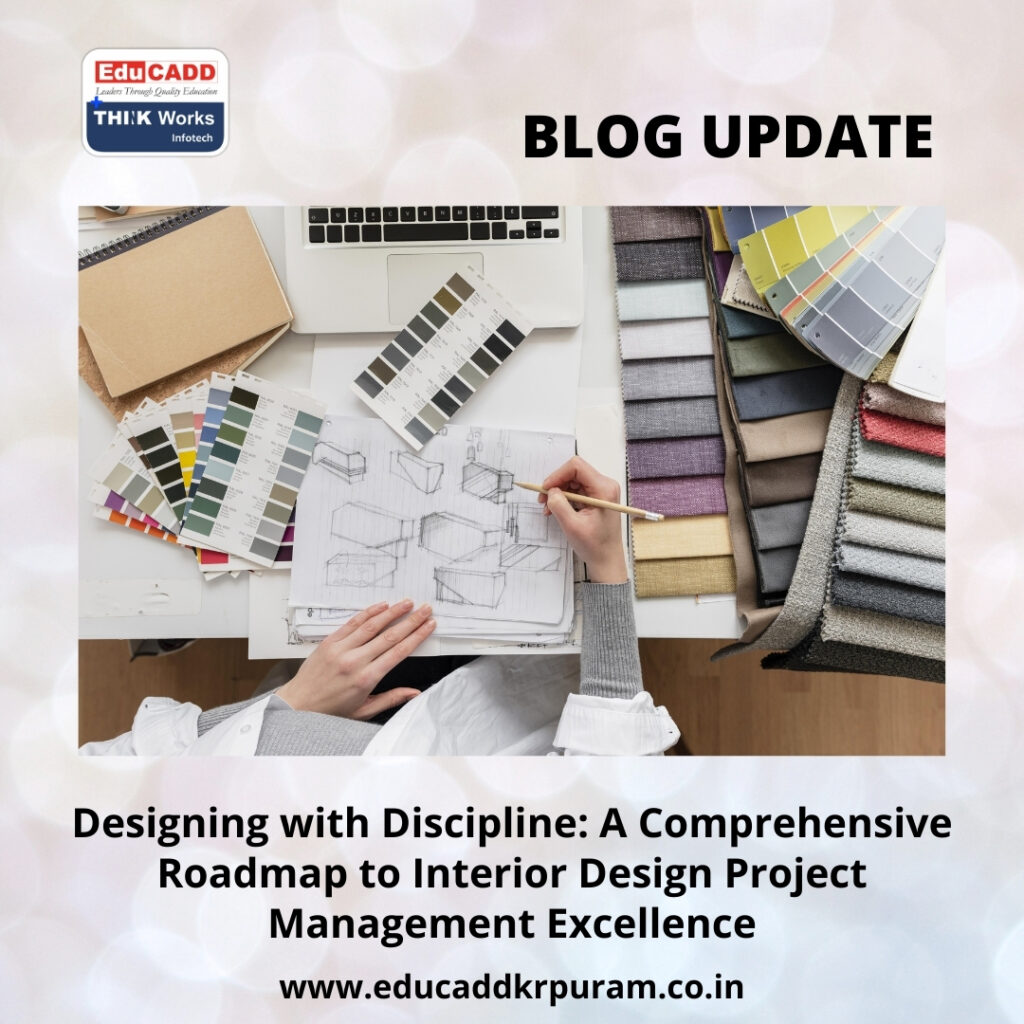
Interior Design Project Management
This blog presents a complete, step-by-step exploration of interior design project management. It explains how designers can plan, organize, control, and deliver projects with confidence and consistency. From initial discussions to final handover, each stage is examined in depth to help professionals manage interior projects efficiently while protecting design quality.
1. Why Interior Design Project Management Is Essential Today
Interior projects now operate under tighter budgets, shorter timelines, and higher client expectations. Design alone cannot guarantee success in such conditions. Interior design project management brings structure and predictability to an otherwise fluid creative process.
By applying management principles, designers gain control over scope, cost, and scheduling. This approach reduces uncertainty and improves decision-making. As a result, projects progress smoothly, stakeholders stay aligned, and outcomes meet both functional and aesthetic goals.
2. Establishing Clear Project Scope and Direction
Every interior project must begin with a well-defined scope. This step outlines the extent of work, deliverables, timelines, and responsibilities. Without clarity at this stage, projects often suffer from scope creep and misaligned expectations.
Interior design project management emphasizes documentation during scope definition. Designers clearly record inclusions and exclusions while confirming objectives with the client. This clarity creates a strong foundation for planning and execution.
3. Understanding Client Needs Beyond Surface Preferences
Clients often express their needs through images and inspiration references. However, effective interior design project management requires deeper understanding. Designers must explore how clients use spaces, their long-term plans, and operational requirements.
Through structured discussions and questionnaires, designers translate personal preferences into functional design parameters. This process strengthens trust and ensures that design decisions remain relevant throughout the project lifecycle.
4. Conducting a Thorough Site and Feasibility Assessment
A comprehensive site assessment reveals the practical realities of a project. Designers examine dimensions, structural elements, services, and environmental factors. Each site presents unique constraints that influence design feasibility.
Interior design project management prioritizes accuracy at this stage. Designers validate drawings, identify risks, and coordinate with consultants early. This preparation prevents costly surprises during execution.
5. Shaping the Design Concept with Strategic Intent
The concept phase defines the personality and direction of the space. Designers develop themes, color strategies, material palettes, and spatial ideas that reflect the client’s vision.
Project management ensures that concepts remain achievable. Designers evaluate costs, availability, and construction requirements alongside creativity. This balance preserves design intent while supporting efficient implementation.
6. Space Planning for Functionality and Experience
Space planning determines how occupants interact with the environment. Designers organize layouts to enhance flow, comfort, and usability. Well-planned spaces support daily activities and improve user experience.
Interior design project management integrates compliance into space planning. Designers consider safety norms, accessibility standards, and ergonomic requirements. Thoughtful planning reduces future alterations and improves project longevity.
7. Translating Concepts into Detailed Design Documentation
Detailed drawings serve as the communication bridge between design and execution. These include floor plans, elevations, lighting layouts, and joinery details. Precision becomes critical at this stage.
Interior design project management relies on documentation to maintain consistency. Clear drawings reduce interpretation errors and support collaboration among contractors and vendors. Strong documentation also protects design quality.
8. Budget Development and Cost Control Strategy
Budget planning requires careful estimation and continuous monitoring. Designers calculate costs for materials, labor, furnishings, and contingencies. Transparency remains essential throughout this process.
Interior design project encourages regular financial reviews. Designers track expenses against estimates and recommend alternatives when needed. This discipline helps maintain financial control without sacrificing design value.
9. Selecting Vendors and Managing Procurement
Procurement involves sourcing materials and appointing vendors who meet quality and timeline expectations. Designers often manage multiple suppliers simultaneously, each with unique constraints.
Project management systems streamline procurement by tracking approvals, orders, and deliveries. Designers coordinate closely with vendors to ensure consistency with specifications. Efficient procurement minimizes delays and quality risks.
10. Building Realistic Project Schedules
A structured schedule organizes tasks and defines milestones. Designers sequence activities logically to avoid conflicts and downtime. Realistic timelines improve coordination across teams.
Interior design project uses schedules as control tools. Designers monitor progress and address delays promptly. This proactive approach maintains momentum and supports timely delivery.
11. Managing Execution Through Active Coordination
Execution brings designs to life. Designers coordinate with contractors, consultants, and craftsmen to ensure alignment with approved plans. Clear communication remains critical on site.
Interior design project management positions designers as central coordinators. Regular meetings and inspections help resolve issues early. Active involvement maintains accountability and protects design intent.
12. Maintaining Quality Standards Throughout the Project
Quality control ensures that workmanship matches design expectations. Designers inspect finishes, installations, and detailing at various stages. Early corrections save time and resources.
Project frameworks emphasize consistency in quality checks. Designers document observations and provide clear guidance. This vigilance results in polished, durable outcomes.
13. Managing Changes, Risks, and Unforeseen Challenges
Interior projects rarely progress without challenges. Material delays, design revisions, and site constraints require adaptive responses. Risk management prepares designers to handle such situations calmly.
Interior design project promotes proactive planning. Designers assess potential risks and develop alternatives. Effective problem-solving maintains progress and preserves client confidence.
14. Final Review, Handover, and Project Closure
Project closure marks the completion of the design journey. Designers conduct final inspections, address snag lists, and prepare handover documentation. Attention to detail remains essential.
A structured handover reflects professional interior design project management. Providing manuals, warranties, and maintenance guidance enhances client satisfaction and ensures long-term success of the space.
Conclusion
Interior Design Project Management brings clarity and control to complex creative projects. It aligns vision with execution while balancing time, cost, and quality. Designers who adopt structured management practices gain consistency, reduce risk, and deliver superior results.
As the interior design industry continues to evolve, project management skills become indispensable. By mastering both creativity and coordination, designers can build lasting value, satisfied clients, and a reputation for excellence.

