
Retail Interior Design That Sells: Shaping Spaces That Influence How Customers Feel, Move, and Buy
The retail industry has entered a decisive era where experience determines success. Customers no longer visit stores only to purchase products; they step inside to explore, connect, and emotionally engage with brands. In this context, Retail Interior Design Strategy has emerged as a powerful strategic tool. A thoughtfully designed store influences how customers perceive value, how long they stay, and how confidently they make purchasing decisions. While digital platforms offer speed and convenience, physical retail spaces offer something irreplaceable—sensory interaction. The role of retail interior design is to transform that interaction into a meaningful journey that encourages loyalty, trust, and higher sales.
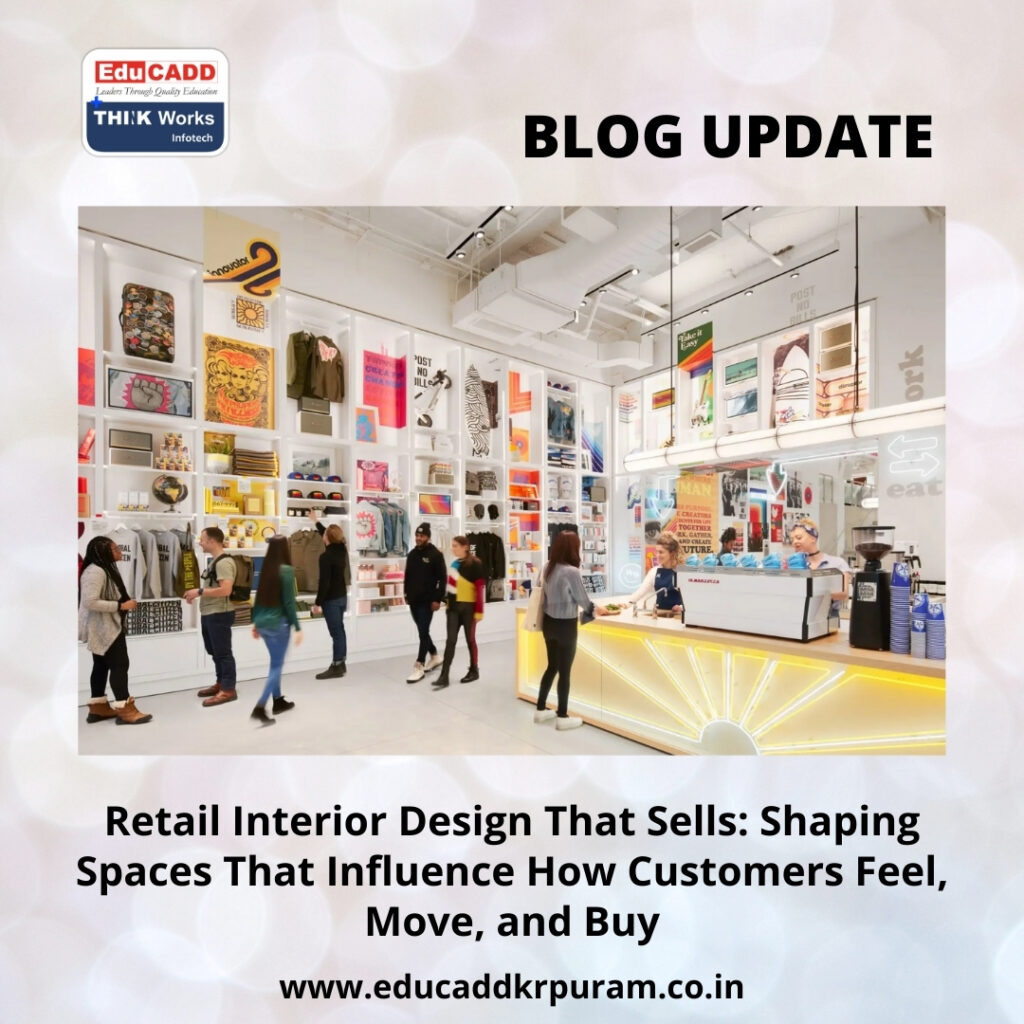
Retail Interior Design Strategy
1. Retail Interior Design as a Behavioral Influence Tool
At its core, Retail Interior Design Strategy directly affects customer behavior. Every design element subtly communicates cues that guide movement, attention, and emotion. Shoppers instinctively respond to spatial openness, lighting intensity, and visual clarity. When interiors feel chaotic or confusing, customers feel overwhelmed and exit quickly. Conversely, when the environment feels balanced and intuitive, customers relax and engage. Designers who understand consumer behavior can use spatial planning, visual rhythm, and sensory triggers to encourage exploration and increase dwell time. This behavioral alignment is essential for driving conversions without overt sales pressure.
2. Translating Brand Identity Into Physical Space
A retail store is the most tangible representation of a brand. Therefore, interior design for retail spaces must visually and emotionally communicate brand identity. Design choices such as materials, color palettes, typography, and furniture styles should reflect the brand’s personality. A premium brand may focus on restraint, elegance, and space, while a mass-market brand may emphasize accessibility and energy. When the physical environment mirrors brand values consistently, customers develop immediate recognition and trust. Strong brand translation through design builds emotional connections that influence repeat visits and long-term loyalty.
3. Strategic Store Layouts That Encourage Exploration
Store layout is the backbone of effective interior design for retail spaces. The way products and zones are arranged determines how customers move through the store. A strategic layout encourages natural circulation, ensuring that customers encounter a wide range of products without feeling forced. Primary walkways should feel open and inviting, while secondary paths support discovery. Placing featured or high-margin items along natural traffic routes increases visibility. When layouts feel effortless, customers explore more deeply and spend more time engaging with the brand.
4. Zoning and Product Categorization for Clarity
Clear zoning enhances customer confidence. In well-planned interior design for retail spaces, product categories are organized into intuitive zones that reduce confusion and decision fatigue. Customers should immediately understand where to go and what each area offers. Transition zones between categories should feel seamless, guiding shoppers naturally from one section to another. Effective zoning also supports visual storytelling by allowing brands to highlight collections, promotions, or lifestyle themes. This structured clarity improves navigation while maintaining an engaging retail experience.
5. Visual Merchandising Integrated With Interior Design
Visual merchandising and interior design must work together to create impact. In successful interior design for retail spaces, display systems, shelving, and signage complement the overall design language. Clean sightlines ensure that key products are visible from multiple angles. Entry displays act as visual invitations, while feature walls create memorable focal points. Seasonal changes and promotional campaigns should integrate seamlessly into the design framework rather than disrupt it. This harmony ensures a visually appealing environment that supports both branding and sales objectives.
6. Lighting Design That Shapes Perception and Mood
Lighting is one of the most influential elements in interior design for retail spaces. It controls mood, highlights products, and affects perceived quality. Bright, balanced lighting at entrances creates a welcoming first impression. Accent lighting draws attention to premium or featured products, while softer lighting encourages relaxed browsing in lounge or fitting areas. Layered lighting strategies add depth and dimension to interiors. When lighting enhances product presentation and spatial comfort, customers perceive greater value and feel more confident in their purchases.
7. The Psychological Power of Color in Retail Interiors
Color plays a crucial psychological role in shaping customer emotions. In interior design for retail spaces, color selection must align with brand intent and customer expectations. Bold colors can energize and stimulate impulse buying, while muted tones convey sophistication and calm. Neutral backdrops allow products to stand out, making them easier to evaluate. Consistent color application across walls, furniture, and graphics creates cohesion. When color choices are deliberate and strategic, they reinforce brand recognition and influence buying behavior subtly but effectively.
8. Material Selection and Sensory Experience
Modern retail design emphasizes sensory engagement. Materials and textures in interior design for retail spaces contribute significantly to how customers perceive quality and authenticity. Natural materials like wood and stone create warmth and trust, while metal and glass convey modernity and innovation. Soft textures enhance comfort, especially in seating and fitting areas. Sensory consistency across the space strengthens emotional connection. When customers can visually and physically experience quality through design, their confidence in the brand increases.
9. Comfort, Ergonomics, and Customer Well-Being
Comfort directly affects how long customers stay in a store. Thoughtful interior design for retail spaces prioritizes ergonomic considerations for both shoppers and staff. Comfortable seating areas, well-proportioned counters, and accessible product displays reduce physical strain. Proper lighting and ventilation enhance overall well-being. When customers feel comfortable and cared for, they remain engaged longer and form positive associations with the brand. These seemingly small design details often have a significant impact on overall sales performance.
10. Technology as a Design-Enhancing Element
Technology has become integral to modern interior design for retail spaces. Digital displays, interactive kiosks, and smart mirrors provide information and engagement without replacing human interaction. Technology should enhance the shopping journey rather than distract from it. Seamless integration ensures that digital elements feel like a natural extension of the design. When used effectively, technology supports storytelling, personalization, and convenience, creating a more immersive and memorable retail experience.
11. Sustainable Design as a Brand Value Statement
Sustainability is now a defining factor in consumer decision-making. Incorporating eco-conscious practices into interior design for retail spaces demonstrates responsibility and forward-thinking. Energy-efficient lighting, recycled materials, and low-emission finishes reduce environmental impact while maintaining aesthetics. Modular design solutions extend the lifecycle of fixtures and displays. When sustainability is embedded into the design rather than added as an afterthought, it strengthens brand credibility and appeals to environmentally aware customers.
12. Customizing Design for Different Retail Formats
Each retail format demands a tailored design approach. Interior design for retail spaces varies significantly between boutiques, supermarkets, showrooms, and flagship stores. Smaller stores require space optimization and visual expansion techniques, while large stores need strong navigation and zoning systems. Flagship stores emphasize experiential storytelling and brand immersion. Understanding operational needs ensures that design supports efficiency while delivering an engaging customer experience.
13. Evaluating Design Performance Through Measurable Results
Retail interior design must deliver measurable value. In interior design for retail spaces, success can be evaluated through metrics such as foot traffic, dwell time, conversion rates, and average purchase value. Customer feedback provides qualitative insight into comfort and engagement. Continuous evaluation allows brands to refine layouts, displays, and lighting strategies. Data-driven design decisions ensure that retail spaces evolve with changing consumer expectations and market trends.
14. The Future of Retail Interior Design
The future of interior design for retail spaces centers on adaptability, personalization, and experiential depth. Flexible layouts allow rapid changes for new collections and campaigns. Biophilic design elements improve well-being and connection to nature. Experiential zones encourage interaction and social sharing. As customer expectations continue to rise, retail interiors must evolve into dynamic environments that balance functionality, emotion, and innovation.
Conclusion
Retail success today depends on more than product quality—it depends on experience. Retail Interior Design Strategy shapes how customers feel, how they interact with products, and how they remember a brand. When design aligns with psychology, brand identity, and operational efficiency, stores become powerful sales environments. Thoughtful retail interiors transform physical spaces into destinations where customers choose to spend time, engage deeply, and return often. In an increasingly competitive market, experience-driven design is no longer optional—it is essential.

