
Beyond Imagination: How 3D Rendering Revolutionizes Interior Design Projects
In today’s fast-evolving world of interior design, imagination alone is no longer sufficient. Clients expect more than conceptual sketches and verbal descriptions; they seek a tangible vision of their spaces before a single construction decision is made. Enter 3D Interior Design Rendering, a technology that brings creativity to life in ways traditional methods cannot. By translating ideas into highly realistic digital visuals, 3D rendering empowers designers to present their concepts with precision and detail. From lighting nuances and material textures to furniture arrangements and spatial proportions, every aspect of a design can be previewed, refined, and approved digitally.
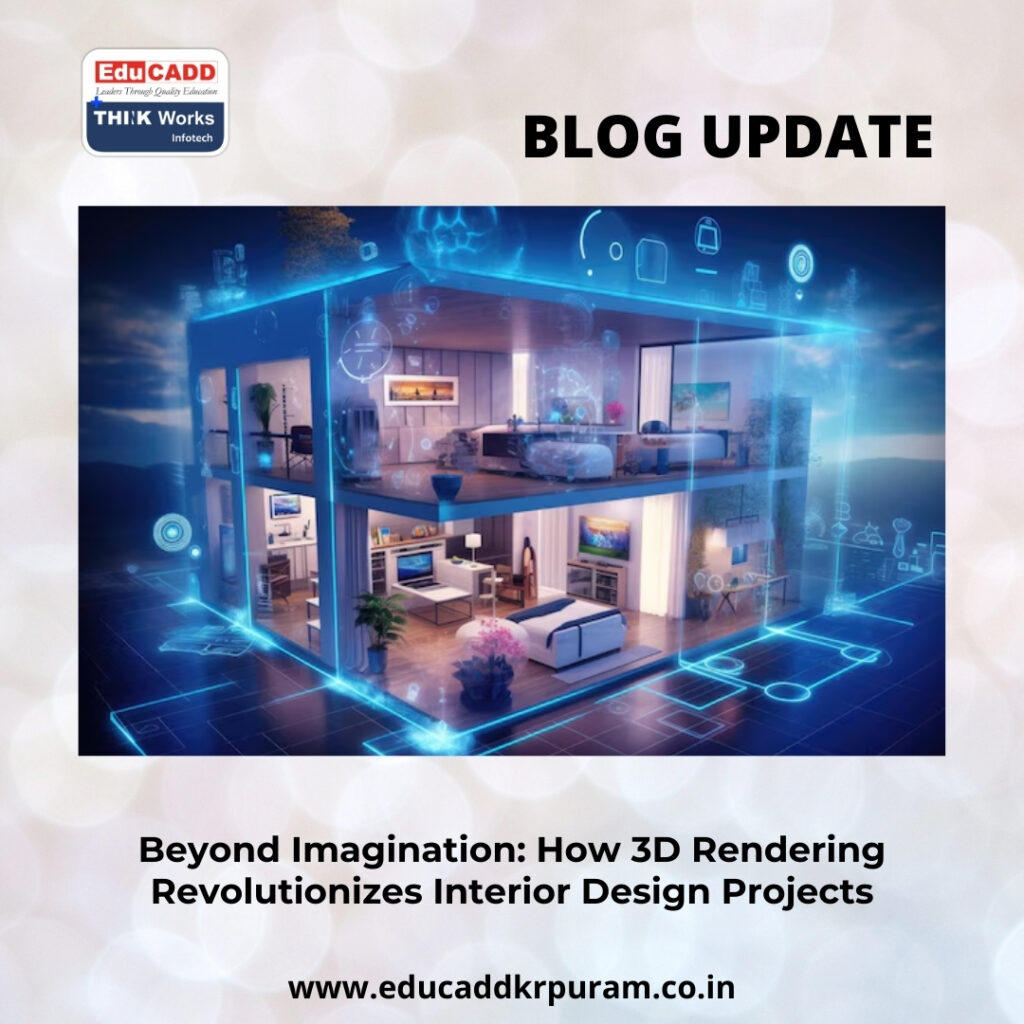
3D Interior Design Rendering
This technology not only enhances client understanding but also minimizes errors, accelerates project timelines, and fosters a deeper collaborative environment among all stakeholders. In this blog, we explore the multifaceted benefits of 3D rendering in interior design projects, highlighting how it has become an indispensable tool for modern design practices.
1. Making Abstract Concepts Tangible
One of the most compelling advantages of 3D Interior Design Rendering is its ability to convert abstract ideas into visually tangible spaces. While 2D sketches and drawings provide basic guidance, they often leave clients guessing about the final layout, colors, or textures. With 3D rendering, designers can create life-like models that accurately depict the spatial arrangements, furniture placement, and design aesthetics. These renderings provide an immersive preview, allowing clients to experience the look and feel of their future interiors before implementation. By translating intangible ideas into clear, realistic visuals, designers ensure that both functionality and aesthetics are communicated effectively.
2. Enhancing Client Understanding and Communication
Clear communication is critical for successful interior design projects. Misinterpretation can lead to confusion, delays, and dissatisfaction. 3D rendering in interior design bridges this gap by providing clients with high-quality visuals that convey design intent with clarity. Complex elements such as lighting effects, material finishes, or architectural details are instantly understandable through 3D models. This visualization allows clients to make informed decisions confidently, reducing the need for excessive explanations or revisions. Effective communication through realistic renderings strengthens trust and ensures alignment between the designer’s vision and client expectations.
3. Accelerating Approvals and Decision-Making
Project timelines often stall when clients hesitate or request multiple revisions. 3D rendering in interior design helps overcome this hurdle by presenting clients with realistic visuals early in the design process. When clients can see an accurate preview of their space, they are more likely to approve layouts, color schemes, and materials quickly. Faster approvals reduce project delays and allow designers to focus on execution rather than repeated revisions. This speed enhances productivity, keeps timelines on track, and improves overall project efficiency while maintaining client satisfaction.
4. Reducing Costly Mistakes and Errors
Mistakes in interior design can be expensive, especially when discovered during construction. 3D rendering in interior design reduces these risks by allowing designers to experiment and validate design decisions digitally. Furniture sizes, lighting placements, color combinations, and circulation flow can all be analyzed and adjusted in a virtual environment before any physical work begins. Identifying potential problems early prevents costly rework and material wastage. Clients gain confidence knowing that potential errors have been mitigated, while designers maintain control over both quality and budget.
5. Optimizing Spatial Layouts
A successful interior design seamlessly integrates aesthetics and functionality. Proper space planning ensures comfort, usability, and efficiency. Through 3D rendering in interior design, designers can assess spatial relationships, circulation paths, and furniture arrangements with precision. Multiple layout scenarios can be tested quickly, allowing for adjustments to maximize usability without compromising style. Clients can see exactly how different layouts affect the flow and feel of their spaces. This clarity facilitates better-informed decisions, ensuring that every area is optimized for both practicality and visual appeal.
6. Realistic Representation of Materials and Textures
Selecting the right materials, textures, and finishes is often challenging for clients who struggle to imagine how samples will appear in real life. 3D rendering in interior design addresses this challenge by presenting highly accurate simulations of surfaces, including wood grains, stone patterns, fabrics, and metals. Designers can also replicate the effects of light on these materials, creating a realistic perception of their look and feel. Clients can evaluate different combinations easily and make choices that align with both aesthetics and functionality. This reduces changes during implementation and ensures the final outcome matches the intended design.
7. Designing Lighting and Ambience Accurately
Lighting significantly impacts the perception and mood of an interior space. Poor lighting can diminish the appeal of a well-planned design, while effective lighting enhances comfort and atmosphere. 3D rendering in interior design allows designers to simulate both natural and artificial light with remarkable precision. They can study shadows, reflections, and brightness levels at various times of day, ensuring the environment feels welcoming and harmonious. Clients can experience the ambience virtually and provide feedback, resulting in spaces that are both functional and emotionally engaging.
8. Elevating Presentations and Marketing Appeal
High-quality visuals can make a substantial difference in client acquisition and brand perception. 3D rendering in interior design enables designers to create visually striking presentations that demonstrate professionalism and creativity. Rendered images can be used for proposals, portfolios, social media, and website showcases, allowing potential clients to engage with the design even before project execution. This visual impact strengthens credibility, attracts high-value clients, and highlights the designer’s ability to deliver sophisticated, modern, and innovative solutions.
9. Enabling Immersive Virtual Walkthroughs
Beyond static visuals, modern 3D rendering supports interactive experiences such as virtual walkthroughs and 360-degree tours. Clients can explore their spaces digitally, observing details from multiple perspectives. 3D rendering in interior design transforms client engagement by creating a sense of presence, making them feel as if they are already inhabiting the space. Interactive walkthroughs reveal practical aspects of the design that may not be obvious in static images, such as furniture ergonomics, lighting effects, or circulation issues. This immersive experience ensures clients are fully confident in their choices.
10. Streamlining Team Collaboration
Interior design projects often require coordination among multiple professionals, including architects, contractors, engineers, and suppliers. Miscommunication between teams can lead to delays, errors, and frustration. 3D rendering in interior design provides a unified visual reference for all stakeholders. Everyone works from the same model, reducing misinterpretations and facilitating smoother coordination. Contractors can accurately follow the design intent, and suppliers can provide materials that match specifications. This unified approach enhances efficiency and reduces on-site errors.
11. Simplifying Revisions and Experimentation
Design is an evolving process. Client preferences, functional requirements, or aesthetic choices may change as projects progress. 3D rendering in interior design allows designers to implement revisions easily without restarting the process. Designers can modify colors, furniture, layouts, or materials digitally and present updated visuals quickly. This flexibility encourages experimentation while maintaining budget and schedule constraints. Clients appreciate the freedom to explore alternatives risk-free, resulting in a more satisfying design experience.
12. Building Client Confidence and Emotional Engagement
Investing in interior design often carries financial and emotional stakes for clients. 3D rendering in interior design builds trust and confidence by offering a clear preview of the final outcome. Clients can visualize their living or working spaces with a high degree of realism, fostering emotional attachment and enthusiasm for the project. This engagement strengthens the client-designer relationship and increases the likelihood of positive feedback, repeat business, and referrals.
13. Supporting Sustainable and Smart Design Practices
Sustainability is a growing priority in interior design. 3D rendering in interior design facilitates informed decisions about eco-friendly materials, energy-efficient lighting, and smart technologies. Designers can visualize how sustainable elements integrate into the overall aesthetic without compromising style or function. Clients gain insight into environmentally responsible choices and can make decisions aligned with green practices. This capability reinforces a designer’s commitment to modern, conscious, and innovative design solutions.
14. Future-Proofing Interior Design
The interior design industry continues to evolve rapidly, driven by technology and changing client expectations. Designers who adopt 3D rendering in interior design remain at the forefront of innovation. Integration with virtual reality, augmented reality, and AI-based tools ensures designers can deliver advanced, interactive solutions. Embracing these technologies allows designers to experiment creatively, maintain relevance in a competitive landscape, and provide superior client experiences. 3D rendering not only elevates current projects but also future-proofs design practices for years to come.
Conclusion
The transformative power of 3D Interior Design Rendering extends beyond aesthetic visualization. It enhances communication, accelerates decision-making, reduces costly mistakes, and fosters collaboration across teams. By presenting immersive, realistic representations of spaces, designers empower clients to make informed choices with confidence. From material selection and lighting design to spatial planning and sustainable practices, 3D rendering is an indispensable tool that elevates every aspect of interior design. Designers who embrace this technology position themselves as innovative leaders, capable of delivering functional, beautiful, and emotionally resonant spaces long before construction begins. In a competitive market, 3D rendering is no longer optional—it is the standard for excellence in interior design.

