
The Value Within Walls: How Strategic Interior Design Transforms Properties into High-Return Assets
Strategic Interior Design Value no longer depends solely on location, land size, or exterior architecture. Today’s buyers evaluate properties through a broader lens that includes comfort, efficiency, aesthetics, and long-term practicality. Interior design plays a decisive role in shaping these perceptions. A thoughtfully designed space communicates quality, purpose, and emotional warmth, all of which influence purchasing decisions. When interiors combine functionality with visual harmony, properties gain a competitive edge in the market. From layout refinement to material selection and lighting optimization, each design decision contributes to financial performance. This in-depth article explores how strategic interior design elevates property value, strengthens buyer confidence, and delivers measurable returns.
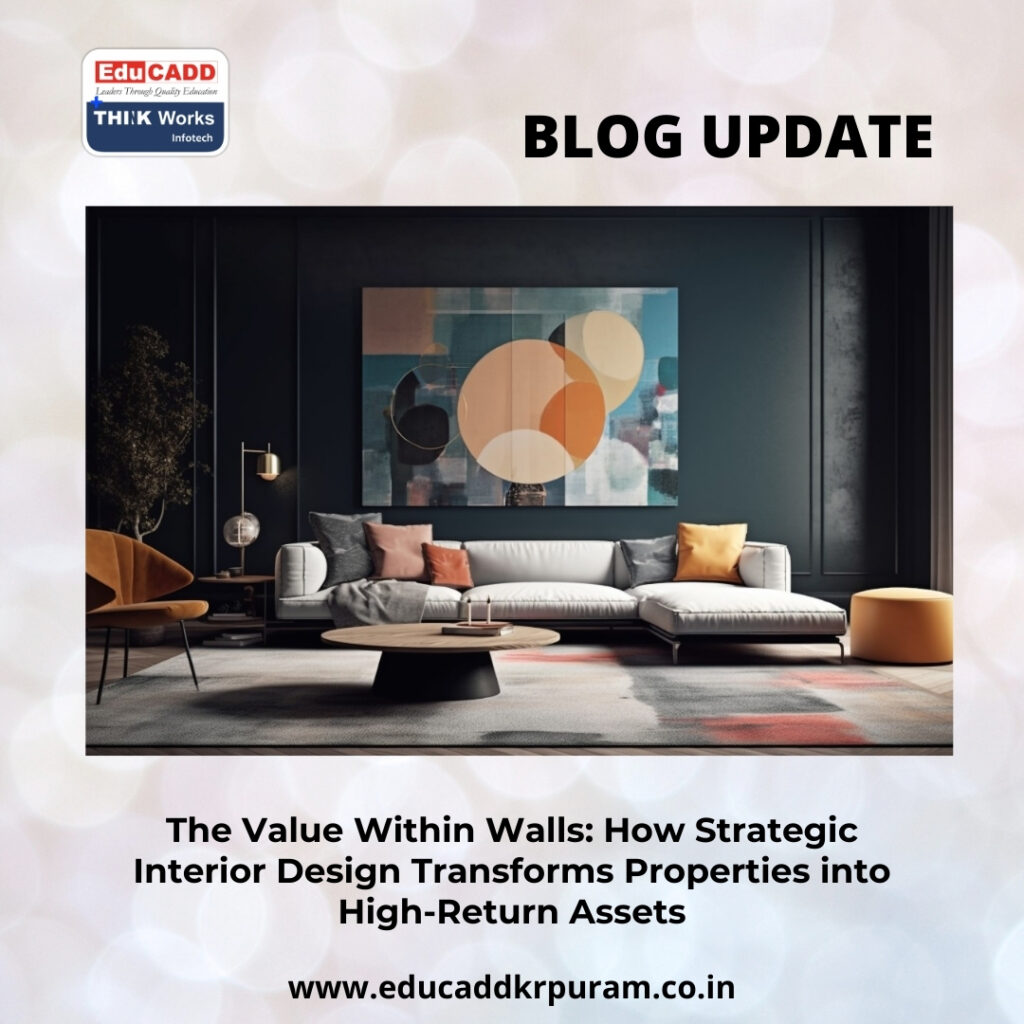
Strategic Interior Design Value
1. First Impressions and the Economics of Visual Impact
A buyer’s first encounter with a property often determines the direction of negotiations. As soon as individuals step inside, they evaluate the space subconsciously. Clean surfaces, balanced proportions, and coordinated décor signal attention to detail. Consequently, the property appears well maintained and worth serious consideration.
Strategic Interior Design Value shapes these early judgments through organization and presentation. When furniture placement highlights space rather than crowding it, rooms feel open and inviting. Neutral color schemes encourage broader appeal. Moreover, carefully chosen accents add personality without overwhelming the environment.
This immediate positive perception reduces buyer resistance. Properties that look polished inspire trust, while cluttered or outdated interiors raise doubts. Therefore, investing in thoughtful design creates an economic advantage by increasing interest and supporting stronger offers.
2. Optimizing Layout for Maximum Functionality
Functionality strongly influences property value. Buyers seek homes and commercial spaces that support daily activities with ease. Interior design refines layouts to enhance movement and usability.
Designers evaluate traffic flow, identify underused areas, and redefine spatial relationships. Removing unnecessary partitions can create openness, while subtle zoning techniques maintain structure. As a result, the property feels larger and more efficient.
Additionally, effective space planning improves comfort. Dining areas connect naturally with kitchens, living rooms accommodate conversation, and workspaces remain quiet and productive. When functionality aligns with lifestyle needs, buyers recognize tangible benefits. This practical enhancement directly strengthens perceived and actual value.
3. Lighting Design as a Value Multiplier
Lighting transforms how spaces are experienced. Natural light increases energy and positivity. Designers maximize sunlight through reflective surfaces, strategic mirror placement, and appropriate window treatments. Consequently, rooms appear brighter and more spacious.
Artificial lighting further elevates atmosphere. Layered systems combine ambient, task, and accent lighting to create depth. Pendant fixtures, recessed lights, and wall sconces add both functionality and style. Proper illumination reduces shadows and highlights architectural features.
Energy-efficient lighting systems also contribute to long-term savings. Buyers appreciate properties that balance elegance with sustainability. Therefore, comprehensive lighting design enhances visual appeal while improving operational efficiency.
4. Material Quality and Long-Term Perception
Materials communicate value more effectively than words. Durable finishes suggest longevity and responsible investment. Hardwood flooring, stone countertops, and solid cabinetry demonstrate commitment to quality.
However, effective design does not always require luxury-grade materials. High-quality alternatives, such as engineered wood or quartz surfaces, deliver similar aesthetics with practical durability. Designers select materials that offer visual appeal and resilience.
Consistency in finishes across rooms strengthens cohesion. When textures and tones complement one another, the property feels professionally curated. Buyers interpret this harmony as evidence of thoughtful planning. Consequently, material selection plays a crucial role in increasing property valuation.
5. Kitchens as Financial Anchors
The kitchen often drives purchasing decisions. As a central gathering space, it influences daily routines and social interactions. Modern buyers expect efficiency, storage, and contemporary styling.
Interior designers improve workflow by arranging essential elements strategically. Adequate counter space, intelligent cabinetry, and integrated appliances enhance convenience. Meanwhile, neutral finishes ensure timeless appeal.
Upgraded kitchens often deliver strong returns on investment. Even moderate improvements can significantly elevate perceived worth. Buyers feel reassured when the heart of the property reflects both functionality and aesthetic refinement.
6. Bathroom Enhancements and Market Appeal
Bathrooms represent comfort, hygiene, and personal retreat. Outdated designs diminish value, while contemporary updates elevate desirability. Interior design transforms these compact areas into elegant and efficient spaces.
Floating vanities, frameless glass showers, and coordinated tile selections create modern aesthetics. Designers focus on maximizing storage without sacrificing openness. As a result, even smaller bathrooms feel spacious.
Water-efficient fixtures also add practical advantages. Buyers increasingly prioritize sustainability and reduced utility expenses. Therefore, bathroom renovations contribute meaningfully to higher resale potential.
7. Color Strategy and Emotional Influence
Color choices influence mood and perception. Neutral palettes remain effective because they broaden appeal. Soft whites, light grays, and earthy tones create calm environments that allow buyers to imagine personalization.
Accent elements introduce vibrancy without dominating the design. Subtle contrasts add depth and character. Designers ensure consistency throughout the property to maintain visual flow.
When color transitions feel natural, spaces appear harmonious. Emotional comfort strengthens buyer engagement. Consequently, thoughtful color strategies enhance both psychological appeal and financial value.
8. Flooring as a Foundation of Cohesion
Flooring decisions anchor the interior aesthetic. Continuous flooring across living areas promotes visual unity. This approach makes spaces feel expansive and interconnected.
Hardwood floors remain highly desirable due to durability and timeless charm. Nonetheless, luxury vinyl and laminate options offer affordability and resilience. Professional installation ensures seamless results.
Area rugs further define zones within open layouts. They introduce texture and warmth while preserving flexibility. Through careful selection, flooring enhances overall harmony and supports stronger market perception.
9. Smart Technology Integration
Modern buyers increasingly value technological convenience. Smart thermostats, automated lighting, and advanced security systems add contemporary appeal. These features simplify daily routines and improve energy management.
Strategic Interior Design Value incorporate technology discreetly to preserve clean lines. Concealed wiring and minimalistic control panels maintain aesthetic integrity. As a result, innovation complements design rather than overwhelming it.
Energy-monitoring systems also reduce operational costs. Buyers often associate such upgrades with forward-thinking properties. Therefore, seamless technology integration strengthens competitiveness and resale prospects.
10. Storage Solutions and Organization
Clutter diminishes perceived space. Effective storage solutions enhance both organization and comfort. Built-in wardrobes, wall-mounted shelves, and multifunctional furniture maximize available area.
Interior designers identify opportunities to add hidden compartments and streamlined cabinetry. These features maintain visual simplicity while increasing capacity. Buyers appreciate environments that simplify daily living.
Moreover, organized interiors signal responsible ownership. This impression increases confidence and supports higher valuation during appraisal processes.
11. Sustainability and Environmental Responsibility
Sustainable design continues to influence purchasing behavior. Eco-friendly materials and energy-efficient systems align with modern values. Low-VOC paints improve indoor air quality, while renewable materials reduce environmental impact.
Efficient insulation and appliances lower monthly expenses. Buyers recognize the financial and environmental benefits. Consequently, sustainable interiors attract a growing segment of conscious consumers.
Properties designed with environmental awareness often remain competitive for longer periods. This strategic approach strengthens long-term investment returns.
12. Custom Features that Differentiate
Distinctive design elements set properties apart in crowded markets. Statement lighting fixtures, textured walls, and built-in entertainment units create memorable impressions.
Designers balance uniqueness with broad appeal. Instead of overly specific themes, they introduce adaptable features that complement various styles. Built-in storage and custom shelving combine practicality with character.
Such thoughtful customization enhances identity without limiting flexibility. Buyers respond positively to spaces that feel special yet versatile.
13. Maintenance Considerations and Durability
Interior design choices influence long-term upkeep. Durable finishes reduce wear and maintenance costs. Stain-resistant fabrics and scratch-resistant surfaces extend lifespan.
Minimalist layouts simplify cleaning and organization. Buyers often evaluate how much effort a property will require after purchase. Therefore, durable and low-maintenance interiors increase overall attractiveness.
Appraisers also consider condition and quality. Well-maintained spaces with robust materials typically receive favorable evaluations. This factor directly impacts property valuation.
14. Emotional Connection and Buyer Confidence
While practical considerations matter, emotion ultimately drives decisions. Buyers imagine their future experiences within a space. Warm lighting, comfortable layouts, and inviting textures create attachment.
Interior design fosters this emotional bond by balancing aesthetics and usability. When spaces feel welcoming, hesitation decreases. Buyers perceive reduced risk and increased satisfaction.
Competitive bidding often emerges when multiple individuals connect emotionally with the same property. Therefore, design-driven engagement plays a significant role in achieving premium pricing.
Conclusion
Strategic Interior Design Value serves as a powerful catalyst for increasing value. Through strategic layout optimization, quality materials, lighting enhancement, and sustainable integration, interiors shape both perception and performance. Buyers respond to environments that feel functional, cohesive, and emotionally resonant. Every design decision contributes to the broader narrative of quality and care. In competitive markets, properties that prioritize thoughtful interior planning stand out, sell efficiently, and command stronger offers. Ultimately, investing in professional interior design transforms spaces into valuable assets capable of delivering lasting financial returns.

