
The Science of Productive Office Interiors: Designing Inspiring Workspaces That Maximize Efficiency and Employee Well-Being
The Productive Office Interior Design is no longer defined by rows of desks and plain walls. Organizations now understand that office environments shape employee behavior, influence emotional well-being, and directly impact overall performance. A thoughtfully designed workspace can stimulate creativity, encourage collaboration, and reduce daily stress levels. When employees spend long hours inside an office, the physical environment becomes a powerful factor that affects concentration, energy, and motivation. Every element within a workspace, including lighting, layout, furniture, color, and acoustics, plays a meaningful role in shaping work experiences. Companies that invest in intelligent interior planning often observe noticeable improvements in productivity, teamwork, and employee satisfaction.
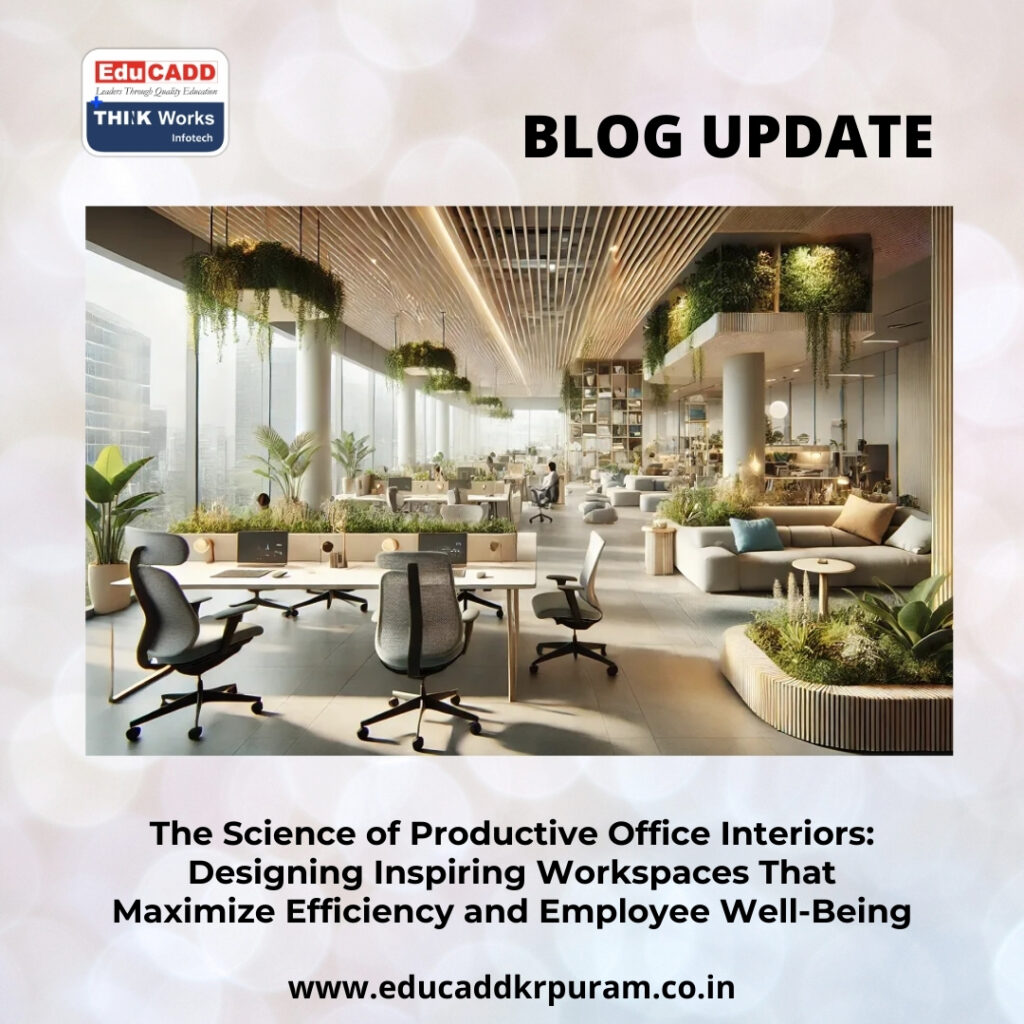
Productive Office Interior Design
Well-designed offices reduce distractions, improve movement flow, and create an atmosphere where individuals feel comfortable performing their responsibilities. As work culture evolves with flexible schedules and hybrid models, interior spaces must adapt to meet new expectations. A balanced combination of functionality and aesthetics creates an environment that supports both focus and creativity. Productive Office Interior Design not only enhances operational efficiency but also reflects a company’s culture and commitment to employee welfare. By creating inspiring interiors, businesses transform workplaces into productive ecosystems that support innovation and sustainable growth.
1. How Workplace Environments Influence Employee Performance
Physical surroundings have a profound impact on how people think, behave, and respond to tasks. Environmental psychology explains that organized and visually balanced spaces promote mental clarity and reduce cognitive stress. When employees work in cluttered or poorly arranged offices, distractions increase and concentration declines. Clean layouts with defined zones create a sense of order that supports efficient work patterns. Spacious pathways allow smooth movement, which reduces frustration during busy hours. Employees tend to feel more confident and relaxed when their environment feels structured yet welcoming. Visual harmony created through symmetry and alignment encourages calmness and improves focus. Workspaces that feel comfortable help individuals maintain attention for longer durations. Different employees respond differently to spatial conditions, so versatile designs help accommodate diverse working styles. By aligning interior planning with human behavior, offices can create supportive environments where productivity naturally improves.
2. Space Planning That Encourages Smooth Workflow
Efficient space planning ensures that employees can perform tasks without unnecessary interruptions. When office layouts lack organization, workers spend extra time navigating spaces or locating resources. Strategic placement of departments helps teams collaborate effectively while minimizing noise conflicts. Designers evaluate operational needs before determining workstation arrangements and common areas. Logical positioning of meeting rooms prevents congestion in high-traffic zones. Clear circulation paths enhance safety and make movement comfortable across the workspace. Flexible floor designs allow companies to reorganize layouts when team structures change. Zoning techniques separate collaborative hubs from focused work areas, reducing cross-disturbances. Transitional spaces between departments support quick discussions without affecting productivity. A carefully structured layout reduces wasted effort and improves daily workflow efficiency. Functional planning ensures that the office environment actively supports performance rather than hindering it.
3. Ergonomic Design That Supports Physical Comfort
Employee comfort significantly influences their ability to remain focused throughout the day. Ergonomic furniture is designed to support natural body posture and reduce physical strain. Adjustable chairs help maintain spinal alignment and prevent back pain during extended work sessions. Height-adjustable desks allow employees to alternate between sitting and standing positions, promoting better circulation. Properly positioned monitors reduce neck strain and protect visual comfort. Keyboard trays that support natural wrist angles help prevent repetitive stress injuries. Comfortable seating encourages employees to maintain attention without frequent breaks caused by discomfort. Furniture that adapts to individual needs ensures inclusivity for diverse body types. When workers feel physically supported, mental fatigue decreases and efficiency improves. Ergonomic environments promote healthier work habits and long-term well-being. Investing in comfort-focused interiors demonstrates organizational commitment to employee care.
4. Lighting Techniques That Enhance Alertness and Mood
Lighting plays a crucial role in influencing energy levels, visual comfort, and emotional well-being. Poor illumination can lead to eye strain, headaches, and reduced concentration. Natural daylight is highly beneficial because it regulates biological rhythms and enhances mental alertness. Offices designed with large windows and glass partitions allow sunlight to spread evenly across interiors. Artificial lighting systems should complement daylight while maintaining consistent brightness. Layered lighting combines ambient illumination, focused task lighting, and decorative accents for balanced visibility. Adjustable LED fixtures provide flexibility based on individual work needs. Warm lighting tones create welcoming environments, while cooler shades promote focus in task-oriented zones. Balanced brightness reduces visual fatigue and supports sustained attention. Proper lighting design creates pleasant atmospheres that energize employees throughout the day. Thoughtful illumination improves workplace comfort and performance simultaneously.
5. Color Strategies That Influence Workplace Emotions
Colors have psychological effects that shape mood, creativity, and motivation levels. Calm shades such as blue and green create relaxing atmospheres that support concentration. Brighter tones like yellow and orange stimulate enthusiasm and encourage creative thinking. Neutral palettes maintain visual balance and prevent overstimulation in busy offices. Strategic accent colors help define functional zones and guide movement. Harmonized color combinations create cohesive aesthetics that enhance mental clarity. Excessively bold contrasts may cause visual tension and distraction. Cultural preferences and brand identity should guide palette selection. Balanced color themes create professional environments that feel vibrant yet controlled. Thoughtful color integration enhances both aesthetics and functionality. A well-planned palette supports emotional balance and consistent productivity.
6. Acoustic Solutions for Distraction-Free Workspaces
Noise distractions can significantly reduce concentration and work accuracy. Open office environments often experience challenges caused by conversations and equipment sounds. Acoustic panels absorb sound waves and reduce echo within shared spaces. Fabric partitions help contain noise while maintaining visual openness. Carpets and upholstered furniture further dampen background disturbances. Dedicated quiet zones provide peaceful settings for focused tasks. Enclosed meeting pods prevent collaborative discussions from disturbing nearby teams. White noise systems mask sudden sound disruptions without causing discomfort. Separating social areas from workstations minimizes acoustic interference. Balanced sound control promotes calmness and mental clarity. Effective acoustic planning creates environments where employees can concentrate comfortably.
7. Incorporating Natural Elements for Healthier Offices
Natural features create refreshing atmospheres that enhance emotional well-being and cognitive performance. Indoor plants improve air quality while adding vibrant visual appeal. Wooden textures introduce warmth and make professional spaces feel welcoming. Access to outdoor views provides relaxation that reduces mental fatigue. Water features create soothing sounds that promote calmness. Living green walls enhance aesthetics while connecting interiors with nature. Natural materials provide sensory comfort that artificial elements cannot replicate. Sunlight combined with greenery creates energizing and refreshing work environments. Exposure to natural elements has been linked to improved mood and creativity. Biophilic design principles support healthier and more enjoyable workplaces. Integrating nature strengthens employee satisfaction and sustained focus.
8. Flexible Designs for Evolving Work Requirements
Productive Office Interior Design must adapt to changing operational needs and workstyles. Modular furniture allows teams to rearrange workspaces quickly for collaborative projects. Movable walls create temporary meeting areas without structural renovations. Hot-desking zones accommodate hybrid employees who alternate between remote and office work. Multipurpose rooms can function as training centers, discussion hubs, or event spaces. Informal lounges encourage creative brainstorming sessions in relaxed settings. Flexible layouts empower employees to choose environments that match their tasks. Adaptable designs ensure offices remain functional as organizations grow. Dynamic workspaces promote mobility and prevent monotony. Versatile interiors support both teamwork and independent tasks effectively. Future-ready designs help businesses maintain productivity amid evolving demands.
9. Integrating Smart Technology for Seamless Operations
Modern workplaces rely on technology to maintain efficiency and communication. Organized cable systems prevent clutter and maintain clean workstation appearances. Wireless presentation tools simplify collaborative meetings and reduce setup time. Digital whiteboards enhance brainstorming sessions and idea visualization. Charging stations placed conveniently ensure uninterrupted device usage. Soundproof booths support virtual meetings without background interference. Automated lighting systems improve energy efficiency and visual comfort. Climate control technologies maintain consistent indoor conditions. Integrated digital infrastructure reduces workflow disruptions and technical delays. Smart office systems enhance convenience and operational efficiency. Seamless technology integration supports productivity while maintaining modern aesthetics.
10. Collaborative Areas That Encourage Innovation
Innovation thrives in environments that promote teamwork and knowledge sharing. Dedicated collaboration zones provide comfortable seating and interactive tools for discussions. Writable walls and digital displays support brainstorming and creative visualization. Open lounge areas inspire spontaneous conversations that spark new ideas. Shared worktables encourage collective participation and engagement. Transparent partitions maintain openness while reducing noise transfer. Clearly defined collaboration zones prevent interference with quiet work areas. Comfortable meeting spaces enhance communication and teamwork effectiveness. Inviting group settings strengthen interpersonal relationships among employees. Well-planned collaborative areas support creativity and faster problem solving.
11. Private Zones That Support Deep Concentration
While teamwork is essential, employees also require peaceful areas for focused tasks. Quiet rooms provide distraction-free settings for analytical and detail-oriented work. Enclosed cabins offer privacy for confidential meetings and calls. Acoustic pods minimize noise disturbances in open layouts. Privacy screens around desks reduce visual interruptions. Soft lighting and minimal décor create calm environments for concentration. A balance between open spaces and secluded areas supports diverse work preferences. Dedicated silent zones help employees manage demanding workloads efficiently. Reduced distractions lead to improved accuracy and performance quality. Peaceful work settings enhance mental clarity and task completion speed.
12. Organized Storage That Maintains Visual Clarity
Cluttered workspaces create confusion and reduce efficiency. Smart storage systems help maintain neat and organized environments. Built-in cabinets keep essential materials accessible without occupying desk space. Modular shelving systems adapt to changing storage needs. Personal lockers provide secure storage and reduce workstation congestion. Efficient filing systems allow quick retrieval of documents. Concealed compartments maintain minimalist aesthetics. Labeling systems improve organization across departments. Clean workstations enhance mental clarity and reduce distractions. Tidy surroundings create professional and visually pleasing interiors. Effective storage planning supports structured workflows and productivity.
13. Interior Branding That Reflects Organizational Identity
Office interiors can communicate company values and strengthen brand presence. Consistent color schemes aligned with brand identity create cohesive aesthetics. Logo placements and visual motifs reinforce corporate recognition. Inspirational wall graphics motivate employees and remind them of shared goals. Thematic décor elements enhance storytelling and emotional connection. Well-branded interiors create memorable impressions for clients and visitors. Design consistency across departments strengthens organizational professionalism. Identity-driven environments foster pride and belonging among employees. Visually engaging workplaces encourage motivation and commitment. Branded interiors help express culture without compromising functionality. Purposeful design strengthens corporate image and employee engagement.
14. Wellness Spaces That Promote Work-Life Balance
Employee wellness directly influences productivity, engagement, and job satisfaction. Relaxation lounges provide comfortable spaces for short breaks and mental refreshment. Fitness rooms encourage physical activity that boosts energy and reduces stress. Recreational zones promote team bonding and emotional relaxation. Comfortable dining areas support healthy eating and informal interaction. Meditation rooms offer peaceful retreats for mindfulness and stress management. Wellness-focused environments prevent burnout and support emotional stability. Supportive office designs show organizational care for employee well-being. Balanced spaces improve morale and long-term workforce retention. Restorative areas help employees return to tasks with renewed focus. Wellness-oriented interiors encourage sustainable productivity and workplace happiness.
Conclusion
A well-designed office environment serves as a foundation for employee performance, creativity, and satisfaction. Productive Office Interior Design improves workflow efficiency while supporting comfort and emotional well-being. Ergonomic furniture reduces physical strain, while effective lighting and balanced color schemes enhance focus and mood. Acoustic management minimizes distractions and promotes concentration. Natural elements refresh the mind and create healthier atmospheres. Flexible layouts adapt to evolving workstyles, ensuring long-term functionality. Smart technology integration streamlines communication and operational processes. Collaborative zones inspire teamwork and innovation, while private areas support deep concentration. Organized storage systems maintain neat environments that reduce mental clutter. Brand-aligned interiors strengthen identity and foster belonging. Wellness-centered spaces encourage balance, reduce stress, and improve morale. When these elements work together harmoniously, workplaces become productive ecosystems that inspire excellence. Thoughtful office interiors empower employees to perform efficiently while nurturing creativity and professional growth.

