
Guardians of the Digital Fortress: Understanding SOC Analyst Roles and Essential Skills in Cybersecurity
As organizations continue to expand their digital infrastructure, the need for strong cybersecurity defenses has become more critical than ever before. Businesses now depend on interconnected systems, cloud platforms, and large volumes of data to operate efficiently. While these technological advancements enable innovation and growth, they also create opportunities for cybercriminals to exploit vulnerabilities. From ransomware attacks and phishing scams to data breaches and insider threats, the modern cyber threat landscape is constantly evolving. To protect valuable digital assets and maintain secure systems, organizations rely on a specialized team of cybersecurity professionals known as SOC Analyst Skills Guide. These experts serve as the first line of defense against cyber threats. They continuously monitor networks, detect suspicious activities, analyze potential threats, and respond to security incidents before they cause serious damage. Without SOC analysts, organizations would struggle to identify cyberattacks early and respond effectively.
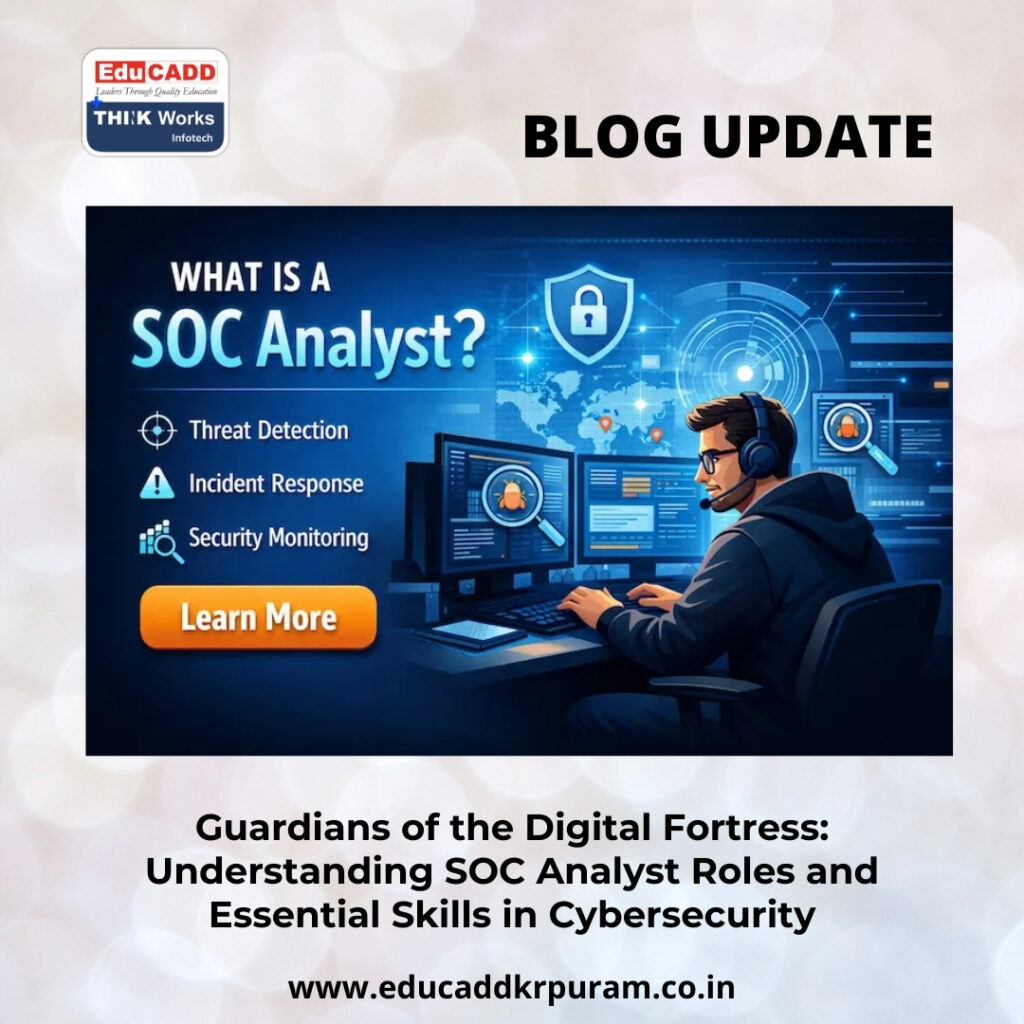
SOC Analyst Skills Guide
This detailed blog explores the various roles performed by SOC analysts, the technical and professional skills they must possess, the tools they use in daily operations, and the career opportunities available in this field. By understanding these aspects, readers can gain valuable insight into how SOC Analyst Skills Guide help organizations maintain secure digital environments and defend against increasingly sophisticated cyber threats.
Understanding the Role of a SOC Analyst
A SOC Analyst Skills Guide is responsible for monitoring, detecting, and responding to cybersecurity threats that target an organization’s IT infrastructure. These professionals work within a centralized security operations environment where security events and alerts are constantly monitored. The primary goal of a SOC analyst is to ensure that any suspicious activity within a network or system is identified and addressed as quickly as possible.
SOC analysts analyze alerts generated by various security tools and systems. These alerts may indicate unusual network activity, unauthorized access attempts, or suspicious system behavior. The analyst must carefully evaluate these alerts to determine whether they represent genuine threats or false alarms. This evaluation requires strong analytical abilities and a deep understanding of network and system behavior.
In addition to monitoring systems, SOC analysts investigate security incidents to determine their cause and impact. When a threat is confirmed, they coordinate with other cybersecurity teams to contain the attack and prevent further damage. Their responsibilities also include documenting security incidents, analyzing attack patterns, and recommending improvements to strengthen organizational defenses.
By performing these tasks, SOC analysts help organizations detect threats early, minimize risks, and maintain secure operations.
The Importance of SOC Analysts in Modern Cybersecurity
In today’s digital environment, cyberattacks have become more frequent and more sophisticated. Attackers often target organizations with advanced techniques designed to bypass traditional security measures. As a result, companies must adopt proactive cybersecurity strategies to detect threats before they escalate.
SOC Analyst Skills Guide play a vital role in this defensive strategy. Their continuous monitoring ensures that potential threats are identified quickly and addressed before they cause widespread damage. Without SOC analysts, many cyber incidents would remain undetected until after significant losses occur.
Organizations across various industries—including finance, healthcare, retail, and government—rely heavily on SOC teams to maintain secure networks. These professionals provide round-the-clock surveillance of digital systems and respond rapidly to suspicious activities.
As cybercrime continues to increase worldwide, the importance of SOC analysts will only grow. Their expertise ensures that organizations remain resilient against emerging threats and maintain trust with customers and stakeholders.
Core Responsibilities of SOC Analysts
The daily responsibilities of a SOC analyst involve a variety of tasks that support the overall cybersecurity strategy of an organization. These tasks require both technical expertise and strong analytical skills.
One of the primary duties is monitoring security alerts generated by monitoring tools. These alerts provide early warnings of potential cyber threats. SOC analysts review each alert carefully to determine its severity and potential impact on the organization.
Some of the most important responsibilities include:
-
Monitoring network traffic and identifying unusual activities that may indicate cyber threats
-
Investigating security alerts to determine whether they represent real attacks or false positives
SOC analysts also maintain detailed records of security incidents and response actions. These records help organizations analyze past threats and improve their cybersecurity strategies.
Through these responsibilities, SOC analysts contribute significantly to protecting organizational data and infrastructure.
Continuous Monitoring and Threat Detection
Continuous monitoring is one of the most essential functions of a SOC analyst. Cyber threats can occur at any time, and organizations must maintain constant vigilance over their digital environments. SOC Analyst Skills Guide monitor networks, servers, applications, and user activities to detect unusual behavior that could signal an attack.
Threat detection involves identifying patterns that differ from normal system operations. For example, repeated login failures, unexpected file transfers, or abnormal network traffic may indicate malicious activity. SOC analysts analyze these anomalies to determine whether they represent legitimate threats.
Effective threat detection requires combining data from multiple sources. Analysts examine logs, system alerts, and network traffic to build a comprehensive view of potential risks. By correlating this information, they can identify threats that might otherwise go unnoticed.
This proactive approach enables organizations to respond quickly to cyber incidents and reduce the likelihood of severe damage.
Incident Response and Cybersecurity Investigation
When a security incident occurs, SOC analysts play a critical role in investigating the event and initiating appropriate response actions. Incident response involves identifying the nature of the attack, determining how the attacker gained access, and preventing further damage to the system.
During the investigation process, analysts review system logs, analyze network traffic, and collect digital evidence. They must determine which systems have been affected and assess whether sensitive information has been compromised.
Once the scope of the incident is identified, SOC analysts work with other cybersecurity teams to contain the attack. This may involve isolating compromised devices, blocking malicious IP addresses, or removing malware from infected systems.
Effective incident response minimizes operational disruption and ensures that organizations can recover quickly from cyberattacks.
Log Monitoring and Event Correlation
Every digital system generates logs that record user activities, network connections, and system operations. These logs provide valuable information that SOC analysts use to identify potential security threats. By reviewing log data, analysts can detect unusual behavior and uncover hidden vulnerabilities.
Log monitoring involves analyzing large volumes of data generated by servers, applications, firewalls, and network devices. SOC analysts must carefully examine these logs to identify suspicious patterns that may indicate malicious activities.
Security event correlation tools help analysts combine information from multiple log sources. These tools allow analysts to identify complex attack patterns by connecting seemingly unrelated events across different systems.
Effective log analysis improves the ability of SOC teams to detect threats early and prevent major security incidents.
Technical Skills Required for SOC Analysts
To perform their responsibilities effectively, SOC analysts must possess a strong foundation in cybersecurity technologies and IT infrastructure. Technical knowledge enables analysts to understand how cyberattacks occur and how they can be prevented.
SOC Analyst Skills Guide should have a solid understanding of networking concepts, including protocols, firewalls, and intrusion detection systems. Knowledge of operating systems such as Windows and Linux is also essential, as many cyber incidents involve vulnerabilities within these environments.
Key technical skills often include:
-
Knowledge of network security principles and common cyberattack techniques
-
Familiarity with security monitoring tools such as SIEM and endpoint protection platforms
Programming and scripting skills can also be beneficial. Many SOC analysts use languages such as Python to automate repetitive tasks and analyze large datasets more efficiently.
Strong technical expertise allows analysts to identify threats quickly and respond effectively.
Analytical Thinking and Critical Problem Solving
While technical knowledge is essential, analytical thinking is equally important for SOC analysts. Cybersecurity incidents often involve complex scenarios where the cause of a threat is not immediately clear. Analysts must evaluate multiple pieces of information to determine the nature of an incident.
Analytical thinking allows SOC analysts to interpret data accurately and identify patterns within large datasets. By recognizing unusual behaviors, analysts can detect threats that automated systems might overlook.
Problem-solving skills become particularly valuable during active security incidents. Analysts must respond quickly and make decisions that prevent the attack from spreading further. Their ability to remain calm and think critically during high-pressure situations is essential for successful incident resolution.
Over time, analysts develop experience that helps them recognize common attack patterns and respond more efficiently.
Communication Skills and Team Coordination
Cybersecurity operations require strong collaboration between different teams. SOC analysts regularly interact with network administrators, system engineers, and security managers to resolve security incidents and improve system defenses.
Effective communication ensures that security threats are understood clearly and addressed promptly. SOC analysts must be able to explain technical issues in a way that both technical and non-technical audiences can understand.
Clear communication also helps during incident reporting. Analysts prepare reports describing the nature of threats, the actions taken to resolve them, and recommendations for improving security measures.
By sharing information effectively, SOC teams can coordinate their efforts and strengthen the organization’s overall cybersecurity posture.
Security Tools Used in SOC Environments
SOC analysts rely on a variety of advanced cybersecurity tools to monitor systems and detect potential threats. These tools help analysts analyze security events, investigate incidents, and respond quickly to suspicious activities.
One of the most important tools used in SOC operations is a Security Information and Event Management system. SIEM platforms collect and analyze log data from multiple sources, allowing analysts to identify patterns that may indicate cyberattacks.
Other tools commonly used in SOC environments include vulnerability scanners, intrusion detection systems, and threat intelligence platforms. These technologies provide valuable insights into potential security risks.
Understanding how to use these tools effectively is essential for SOC analysts. Mastery of security technologies enables analysts to detect threats more quickly and respond more efficiently.
Certifications That Strengthen SOC Analyst Careers
Professional certifications play a significant role in building a successful career as a SOC analyst. Many employers prefer candidates who hold recognized cybersecurity certifications because they demonstrate knowledge of security practices and technologies.
Certifications provide structured training in areas such as network security, ethical hacking, incident response, and threat detection. By completing these programs, professionals gain valuable skills that enhance their ability to perform SOC operations.
In addition to improving job prospects, certifications also help analysts stay updated with industry trends and evolving cyber threats. Continuous learning is essential in cybersecurity because new attack methods emerge regularly.
Obtaining certifications helps SOC analysts build credibility and advance their careers in the competitive cybersecurity industry.
Career Opportunities for SOC Analysts
A career as a SOC Analyst Skills Guide offers numerous opportunities for professional growth and specialization. Many cybersecurity professionals begin their careers in entry-level SOC positions where they gain hands-on experience monitoring security events and responding to incidents.
With experience and additional training, SOC analysts can advance to more specialized roles such as threat intelligence analyst, digital forensics expert, or incident response specialist. These roles involve deeper investigation of cyber threats and more complex security operations.
Experienced analysts may also transition into roles such as cybersecurity architect or security operations manager. These positions involve designing security frameworks and leading teams responsible for protecting organizational systems.
The continued expansion of digital technology ensures strong demand for cybersecurity professionals in the years ahead.
Challenges Faced by SOC Analysts
Despite the exciting opportunities in this field, SOC analysts often face several challenges in their daily work. One of the most common challenges is managing the large number of alerts generated by security monitoring systems. Many alerts may be false positives, which can make it difficult to identify real threats quickly.
Another challenge involves staying updated with evolving cyber threats. Attackers constantly develop new methods to exploit system vulnerabilities, and SOC analysts must continuously learn about these emerging threats.
SOC analysts also work in high-pressure environments where rapid decision-making is required. During a major security incident, analysts must act quickly to contain the threat and prevent further damage.
Although these challenges can be demanding, they also provide valuable experience that strengthens cybersecurity expertise.
The Future of SOC Analyst Roles
The role of SOC analysts will continue to evolve as cybersecurity technologies advance. Artificial intelligence and machine learning are already transforming threat detection by enabling automated analysis of security events.
Automation tools can handle routine monitoring tasks, allowing SOC analysts to focus on more complex investigations and strategic security planning. This shift will make the role more analytical and less focused on repetitive tasks.
Cloud computing is another major factor shaping the future of SOC operations. As organizations move their systems to cloud platforms, analysts must develop new skills related to cloud security and identity management.
Despite technological advancements, human expertise will remain essential in cybersecurity. SOC analysts will continue to play a crucial role in defending digital systems against sophisticated cyber threats.
Conclusion
The increasing complexity of cyber threats has made SOC Analyst Skills Guide an essential component of modern cybersecurity operations. These professionals monitor systems continuously, detect suspicious activities, investigate incidents, and respond to cyberattacks before they escalate.
The role requires a combination of technical knowledge, analytical thinking, communication skills, and continuous learning. SOC analysts must stay updated with emerging technologies and evolving cyber threats to maintain effective security defenses.
As organizations continue to rely on digital infrastructure, the demand for skilled SOC analysts will remain strong. Businesses across industries require professionals who can safeguard their networks and protect sensitive information from cybercriminals.
For individuals interested in cybersecurity careers, becoming a SOC analyst offers an exciting opportunity to contribute to digital security while developing valuable technical skills. With dedication, training, and practical experience, aspiring professionals can build successful careers in this dynamic and rapidly growing field.

