
Designing Excellence: Commercial Interior Standards That Define Future-Ready Spaces
In today’s competitive business landscape, Commercial Interior Design Standards are no longer designed solely for functionality. They are crafted to influence behavior, enhance productivity, and communicate a brand’s identity. Whether it is a corporate office, a retail showroom, a hospitality venue, or a healthcare facility, every commercial environment must meet specific expectations. This is where commercial interior design standards come into play.
These standards serve as a comprehensive framework that ensures spaces are safe, efficient, aesthetically pleasing, and aligned with modern requirements. They guide designers and businesses in making informed decisions about layout, materials, lighting, safety, and technology. More importantly, they help create environments that deliver consistent experiences while complying with legal and industry regulations.
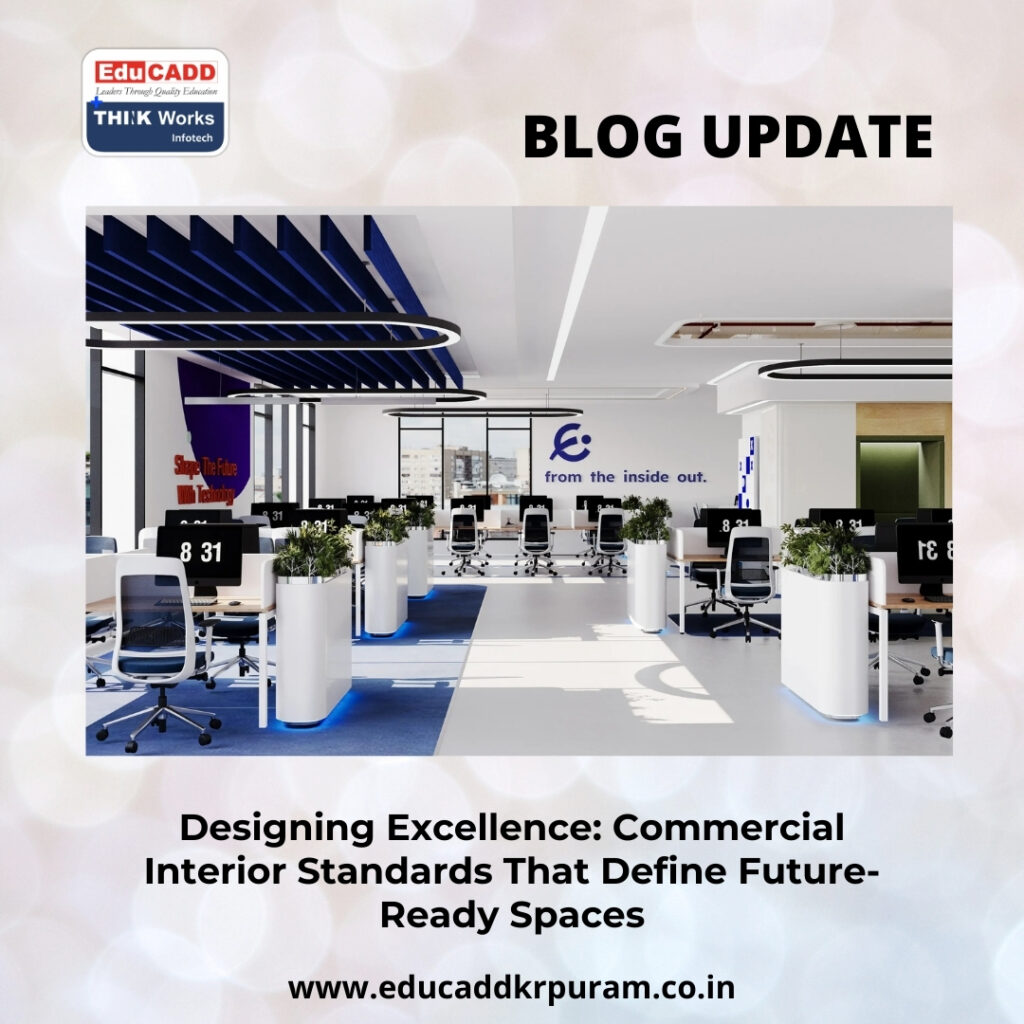
Commercial Interior Design Standards
This in-depth blog explores the essential components of commercial interior design standards. By understanding these principles, you can create high-performing spaces that meet both functional and emotional needs while staying future-ready.
1. The Core Concept of Commercial Interior Design Standards
Commercial Interior Design Standards are a set of structured principles that govern how professional spaces are planned and executed. These standards ensure that every design element contributes to safety, usability, and visual appeal.
They are shaped by building codes, industry practices, and user expectations. For instance, an office environment must prioritize employee comfort and workflow efficiency, while a retail store focuses on customer engagement and product visibility. Each type of space requires a unique approach, yet all must follow certain universal guidelines.
These standards also act as a quality benchmark. They allow designers to maintain consistency across projects while balancing creativity with compliance. By following these principles, businesses can avoid design flaws and ensure long-term success.
2. Intelligent Space Planning for Seamless Functionality
Space planning is one of the most critical elements in Commercial Interior Design Standards. It involves organizing the layout in a way that maximizes efficiency while ensuring smooth movement within the space.
A thoughtfully designed layout improves productivity and reduces unnecessary clutter. In workplaces, this means arranging desks, meeting rooms, and collaborative zones in a logical sequence. In retail environments, it involves creating a flow that naturally guides customers through the store.
Moreover, intelligent space planning supports adaptability. Businesses can easily modify their layouts as they grow or change operations. This flexibility ensures that the space remains functional and relevant over time.
3. Meeting Regulatory Requirements and Safety Codes
Compliance with building regulations is essential for any commercial interior project. These rules are designed to ensure the safety and structural integrity of the space.
They cover aspects such as fire protection, electrical systems, ventilation, and occupancy limits. Designers must collaborate with engineers and authorities to ensure that every element meets the required standards.
Ignoring these regulations can lead to serious consequences, including fines, delays, or even closure of the business. Therefore, understanding and adhering to safety codes is a fundamental responsibility in commercial design.
4. Creating Inclusive Spaces with Accessibility Standards
Accessibility is a key aspect of modern commercial interior design. Spaces must be designed to accommodate individuals with diverse physical abilities, ensuring equal access for everyone.
This includes features such as ramps, elevators, wider pathways, and accessible restrooms. These elements not only comply with legal requirements but also promote inclusivity.
Inclusive design enhances user experience and broadens the customer base. When spaces are easy to navigate and comfortable for all, they naturally become more welcoming and successful.
5. The Role of Lighting in Commercial Interiors
Lighting plays a crucial role in shaping the atmosphere and functionality of a commercial space. Proper lighting enhances visibility, improves mood, and highlights design features.
Natural light should be maximized wherever possible. It creates a refreshing environment and reduces energy consumption. However, artificial lighting must also be carefully planned to ensure consistent illumination.
In workplaces, good lighting improves focus and reduces eye strain. In retail and hospitality settings, it enhances the overall ambiance. Therefore, lighting is both a functional necessity and a design element.
6. Selecting Materials for Durability and Performance
Material selection is a vital component of commercial interior design standards. Since commercial spaces experience heavy usage, materials must be durable and easy to maintain.
Flooring, walls, and furniture should be chosen based on their ability to withstand wear and tear. At the same time, they must meet safety requirements such as fire resistance and non-toxicity.
Sustainability is also becoming a priority. Eco-friendly materials help reduce environmental impact while improving indoor quality. Choosing the right materials ensures long-term performance and cost efficiency.
7. Ergonomics as a Key to Productivity and Comfort
Ergonomics focuses on designing spaces that support human comfort and efficiency. In commercial environments, especially offices, this is essential for maintaining employee well-being.
Proper ergonomic design includes adjustable seating, appropriate desk heights, and well-positioned equipment. These elements reduce physical strain and improve posture.
-
Encourages healthier working habits
-
Enhances productivity and job satisfaction
By prioritizing ergonomics, businesses can create environments that support both physical health and professional performance.
8. Acoustic Planning for Better Sound Management
Sound control is an important yet often overlooked aspect of Commercial Interior Design Standards. Poor acoustics can lead to discomfort and reduced efficiency.
In office settings, excessive noise can disrupt concentration and communication. Acoustic solutions such as sound-absorbing panels and partitions help maintain a balanced environment.
In public spaces, sound design influences customer experience. A well-managed acoustic environment creates a pleasant atmosphere, making it an essential part of design standards.
9. HVAC Systems and Indoor Environmental Quality
Heating, ventilation, and air conditioning systems are crucial for maintaining comfort in commercial spaces. Proper HVAC design ensures consistent temperature and air quality.
Good ventilation helps remove pollutants and provides fresh air, improving overall well-being. Poor air quality can lead to discomfort and health issues.
Energy-efficient HVAC systems also reduce operational costs. By integrating advanced technologies, businesses can achieve both comfort and sustainability.
10. Fire Safety and Emergency Preparedness Planning
Fire safety is a critical component of Commercial Interior Design Standards. Spaces must be equipped with systems that detect and control fire hazards.
Emergency exits should be clearly marked and easily accessible. Evacuation routes must be planned to ensure safe and quick movement during emergencies.
-
Installation of fire alarms and sprinkler systems
-
Use of fire-resistant materials in construction
These measures protect occupants and ensure compliance with safety regulations. Fire safety should always be a top priority in any design project.
11. Aligning Interior Design with Brand Identity
Commercial interiors should reflect the identity and values of a business. Design elements such as color schemes, textures, and layouts must align with the brand image.
A consistent design approach creates a strong visual impact and enhances recognition. Customers are more likely to remember and trust a brand that offers a cohesive experience.
Interior design becomes a powerful communication tool. It tells a story about the business and leaves a lasting impression on visitors.
12. Incorporating Smart Technology in Design
Technology is transforming commercial interior design. Smart systems and digital solutions are now integral to modern spaces.
Automated lighting, climate control, and security systems improve efficiency and convenience. Digital displays and interactive features enhance user engagement.
Technology also supports adaptability. Spaces can be easily modified to meet changing needs, making them more future-ready and efficient.
13. Sustainability as a Design Priority
Sustainability has become a fundamental aspect of commercial interior design standards. Businesses are now focusing on reducing environmental impact through responsible design practices.
This includes using energy-efficient systems, sustainable materials, and waste reduction strategies. Green design also improves indoor air quality and occupant health.
Adopting sustainable practices not only benefits the environment but also enhances brand reputation. It demonstrates a commitment to responsible and forward-thinking design.
14. Maintenance Planning for Long-Term Success
Designing a commercial space requires careful consideration of maintenance and durability. Materials and systems should be selected with long-term usability in mind.
Easy-to-maintain surfaces and accessible systems reduce operational costs. Regular upkeep ensures that the space remains functional and visually appealing.
Lifecycle planning allows businesses to anticipate future changes and upgrades. This ensures that the design continues to deliver value over time.
Conclusion
Commercial Interior Design Standards are the backbone of creating spaces that are efficient, safe, and visually compelling. They provide a structured approach to balancing functionality, compliance, and creativity.
By following these standards, businesses can design environments that enhance productivity, improve customer experiences, and reflect their brand identity. As commercial spaces continue to evolve, the importance of these principles will only grow stronger.
Ultimately, a well-designed commercial interior is more than just a physical space—it is a strategic investment that drives success, supports growth, and creates meaningful experiences for everyone who interacts with it.

