
Next-Gen Electrical Layout Planning for Intelligent, Efficient & Scalable Infrastructure
Next Gen Electrical Planning stands as a critical pillar in the success of any built environment, whether residential, commercial, or industrial. It defines how electricity flows within a structure and directly impacts safety, performance, and long-term usability. A well-structured electrical plan ensures that every corner of a building receives reliable power while minimizing risks such as overloads, short circuits, and inefficiencies.
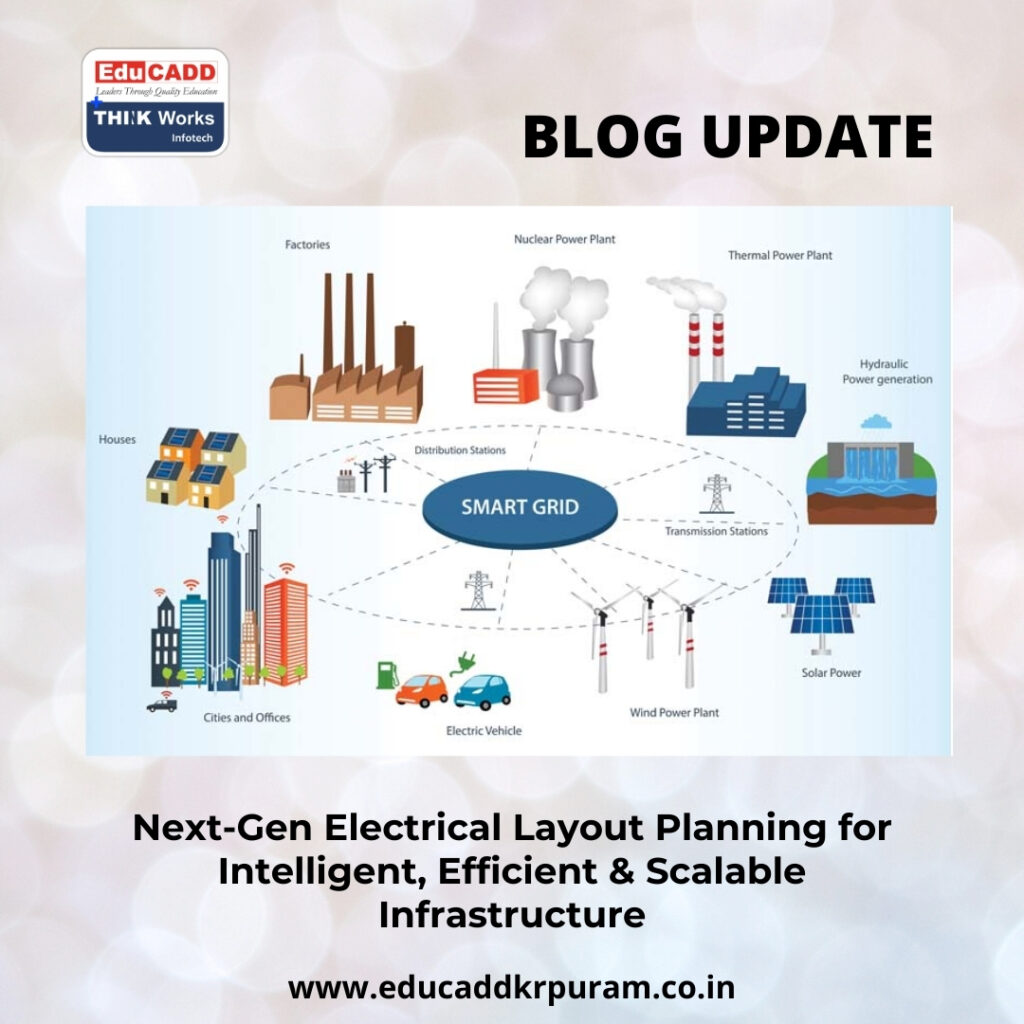
Next Gen Electrical Planning
In the modern era, electrical layout planning has evolved into a sophisticated discipline that combines engineering precision with forward-thinking design. It now includes energy optimization, smart automation, and adaptability for future upgrades. As buildings grow more complex and technology-driven, the importance of a well-executed electrical layout continues to rise. This blog explores the essential aspects, strategies, and innovations that shape effective electrical systems across diverse project types.
Principles Behind Effective Electrical Layout Planning
Next Gen Electrical Planning involves designing a comprehensive network of wiring, power distribution systems, and control elements that ensure seamless energy flow. The process begins with understanding the building’s purpose, followed by identifying the electrical requirements of each space.
Every structure demands a tailored approach. Residential buildings focus on comfort and accessibility, commercial spaces require flexibility and efficiency, and industrial facilities prioritize durability and heavy load handling. By applying the right principles, electrical layout planning ensures that systems are both reliable and scalable.
Impact of Electrical Design on Building Performance
The quality of electrical layout planning significantly influences how a building performs over time. A poorly designed system can lead to frequent power disruptions, increased maintenance costs, and safety hazards. Conversely, a well-planned layout enhances operational efficiency and reduces energy consumption.
Strategic electrical design also improves user experience by ensuring convenient access to power sources. It supports modern technologies and allows for seamless upgrades, making the building adaptable to changing needs.
Essential Components of Electrical Layout Systems
An electrical layout consists of various interconnected components that work together to deliver power efficiently. These include distribution boards, wiring networks, circuit breakers, switches, sockets, and lighting systems. Each component must be carefully selected and positioned to ensure optimal performance.
Proper circuit design is another key factor. By distributing loads evenly across multiple circuits, the system can operate safely without overloading. Additionally, grounding systems play a vital role in protecting both equipment and occupants from electrical faults.
Residential Electrical Layout Planning Approaches
Residential Next Gen Electrical Planning focuses on creating safe and user-friendly living spaces. Each room requires a unique design approach based on its function and electrical needs. Kitchens, for instance, demand higher power capacity, while bedrooms require balanced lighting and minimal distractions.
Modern homes often integrate advanced technologies such as smart lighting and automated systems. Therefore, electrical layout planning must account for these features to ensure seamless operation and future scalability.
-
Thoughtful switch placement improves convenience
-
Dedicated circuits enhance appliance safety
Optimizing Lighting Design in Residential Spaces
Lighting is a fundamental element of residential electrical layout planning. It not only provides illumination but also enhances the overall ambiance of a home. A well-designed lighting system combines different types of lighting to create a comfortable and functional environment.
Natural light should also be considered during the planning process. By integrating daylight with artificial lighting, energy consumption can be reduced. Furthermore, energy-efficient lighting solutions contribute to sustainability and cost savings.
Electrical Layout Planning for Commercial Environments
Next Gen Electrical Planning require electrical systems that can support continuous operation and high levels of activity. Electrical layout planning in such environments focuses on efficiency, reliability, and adaptability. Offices, retail stores, and large complexes all have distinct requirements that must be addressed.
Flexibility is a key consideration in commercial layouts. As businesses evolve, spaces often need to be reconfigured. Modular electrical systems allow for easy modifications without major disruptions, ensuring long-term usability.
Efficient Power Distribution in Commercial Projects
Power distribution plays a crucial role in maintaining the efficiency of commercial electrical systems. Distribution panels must be strategically placed to ensure consistent power supply across all areas. Proper cable management reduces clutter and enhances safety.
Backup power systems are also essential in commercial environments. These systems ensure that operations continue smoothly during power outages, preventing losses and maintaining productivity.
Industrial Electrical Layout Planning Techniques
Industrial facilities require highly robust electrical systems capable of handling heavy machinery and continuous operations. Electrical layout planning in these settings focuses on durability, efficiency, and safety.
Specialized equipment such as transformers, control panels, and high-capacity wiring systems are commonly used. The layout must ensure smooth coordination between these components to maintain operational stability.
Safety Measures in Industrial Electrical Systems
Safety is a top priority in industrial electrical layout planning. Systems must be designed to minimize risks associated with electrical faults and equipment failures. Protective devices such as circuit breakers and surge protectors are essential.
Emergency systems are also incorporated to handle unexpected situations. These include shutdown mechanisms and alarm systems that help prevent accidents and ensure worker safety.
-
Protective devices prevent equipment damage
-
Proper insulation reduces risk of electrical hazards
Significance of Load Calculation in Electrical Planning
Accurate load calculation is a fundamental aspect of electrical layout planning. It determines the total power requirements of a building and ensures that the system can handle demand efficiently. Without proper load assessment, systems may become overloaded or inefficient.
This process involves analyzing all electrical devices and their usage patterns. By distributing loads evenly, designers can create balanced systems that operate safely and efficiently.
Sustainable Electrical Layout Planning Strategies
Sustainability is becoming increasingly important in electrical layout planning. Energy-efficient designs help reduce environmental impact while lowering operational costs. Incorporating renewable energy sources such as solar panels enhances sustainability.
Smart energy management systems allow users to monitor and optimize electricity usage. These technologies play a crucial role in achieving efficient and eco-friendly electrical systems.
Integration of Smart Systems in Electrical Layouts
The integration of smart technology has transformed electrical layout planning. Automated systems enable users to control lighting, appliances, and energy usage remotely. This enhances convenience and improves efficiency.
Electrical layouts must be designed to support these technologies. Proper planning ensures seamless integration and allows buildings to benefit from advanced features such as real-time monitoring and automation.
Challenges in Modern Electrical Layout Planning
Next Gen Electrical Planning can present several challenges, especially in complex projects. Inadequate planning often leads to issues such as insufficient power supply, poor accessibility, and increased maintenance requirements.
Another challenge is accommodating future needs. As technology continues to evolve, electrical systems must be flexible enough to support new developments. Therefore, forward-thinking design is essential.
Best Practices for Reliable Electrical Layout Design
To achieve a reliable electrical layout, designers must follow best practices and industry standards. This includes detailed planning, proper documentation, and the use of high-quality materials. Collaboration among professionals ensures that all aspects of the design are addressed.
Regular maintenance and inspections are also important. These practices help identify potential issues early and ensure that the system continues to operate efficiently over time.
Conclusion
Next Gen Electrical Planning is a vital aspect of modern construction, influencing the safety, efficiency, and functionality of buildings across all sectors. A well-designed system ensures reliable power distribution while supporting advanced technologies and sustainable practices.
By focusing on proper planning, accurate load calculation, and smart integration, electrical layouts can meet the demands of today’s dynamic environments. As innovation continues to shape the industry, electrical layout planning will remain a key factor in creating intelligent, efficient, and future-ready infrastructure.

