
Beyond Cubicles: Transformative Workspace Interior Design Trends Shaping Tomorrow’s Offices
The concept of the workplace has shifted dramatically in recent years, moving far beyond traditional cubicles and static desk arrangements. Today, offices are designed as dynamic ecosystems that influence how employees think, collaborate, and perform. Organizations now understand that a thoughtfully designed workspace can boost productivity, improve employee satisfaction, and strengthen company culture. As hybrid work becomes the norm and employee expectations evolve, interior design plays a vital role in shaping the future of work environments. This blog explores the most influential Future Office Interior Design trends, offering a comprehensive look at how these innovations are redefining modern offices while balancing aesthetics, functionality, and human-centric design.
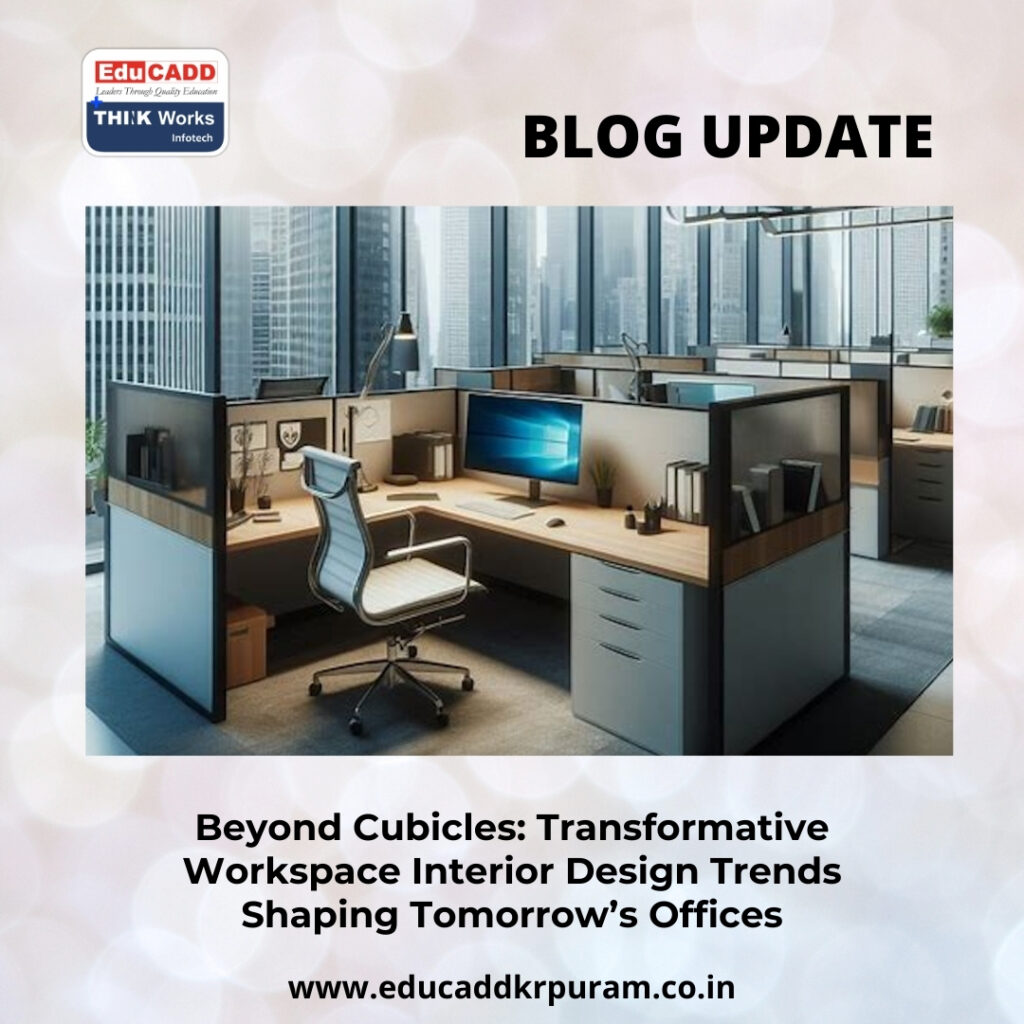
Future Office Interior Design
1. Biophilic Workspaces: Strengthening the Human-Nature Connection
Biophilic design has become a cornerstone of Future Office Interior Design, focusing on reconnecting people with nature within built environments. This design approach goes beyond adding plants; it integrates natural elements into every aspect of the workspace.
Natural light is maximized through large windows and open layouts, creating a bright and uplifting environment. Indoor greenery, living walls, and water features enhance visual appeal while improving air quality. Materials such as wood, stone, and natural fibers add texture and warmth to the space. By incorporating these elements, organizations can create calming environments that reduce stress and increase employee engagement, leading to improved overall performance.
2. Hybrid-Ready Layouts: Designing for Flexibility
With the rise of hybrid work models, offices must now accommodate both remote and in-person employees. Hybrid-ready layouts are designed to provide flexibility and adaptability.
Workspaces are no longer fixed; instead, they include hot desks, shared workstations, and flexible seating arrangements. Employees can choose where and how they work based on their tasks. Movable partitions and modular furniture allow quick reconfiguration of spaces. This approach ensures efficient use of space while supporting diverse work styles, making the office more inclusive and adaptable to changing needs.
3. Smart Work Environments: Integrating Intelligent Technology
Technology has become deeply embedded in workspace design, transforming offices into smart environments that enhance efficiency and user experience.
Automated systems control lighting, temperature, and energy usage based on occupancy, creating a comfortable and sustainable workspace. Meeting rooms are equipped with advanced communication tools that enable seamless collaboration between remote and in-office teams. Wireless connectivity, touchless interfaces, and smart scheduling systems streamline daily operations. These innovations make workspaces more responsive and efficient, allowing employees to focus on their tasks without unnecessary disruptions.
4. Sustainable Interiors: Prioritizing Environmental Responsibility
Sustainability is now a fundamental consideration in Future Office Interior Design. Organizations are actively seeking ways to reduce their environmental footprint while creating healthier work environments.
Designers use eco-friendly materials, energy-efficient lighting, and sustainable furniture to minimize environmental impact. Offices are also incorporating recycling systems, water-saving technologies, and renewable energy solutions. Green building practices not only support environmental goals but also enhance brand reputation. Employees are increasingly drawn to organizations that demonstrate a commitment to sustainability, making eco-conscious design a strategic advantage.
5. Collaborative Work Zones: Fostering Creativity and Teamwork
Collaboration remains a key driver of innovation, and modern workspace design reflects this by creating dedicated areas for teamwork and interaction.
These collaborative zones are designed with open layouts, comfortable seating, and interactive tools such as whiteboards and digital displays. They encourage spontaneous discussions and idea sharing, helping teams solve problems more effectively. By providing spaces that promote communication, organizations can strengthen team relationships and enhance overall productivity.
6. Quiet Retreats: Creating Spaces for Deep Focus
While collaboration is essential, employees also need quiet environments for focused work. Modern offices now include designated quiet zones that support concentration and privacy.
Soundproof pods, private cabins, and acoustic panels help reduce noise distractions. These spaces are ideal for tasks that require deep thinking or confidentiality. By balancing collaborative areas with quiet retreats, organizations can cater to different work preferences and improve overall efficiency.
7. Ergonomic Excellence: Supporting Physical Well-Being
Ergonomics plays a crucial role in Future Office Interior Design, ensuring that employees remain comfortable and healthy throughout the workday.
Adjustable desks, ergonomic chairs, and properly designed workstations help reduce physical strain. Proper lighting and screen placement minimize eye fatigue. By prioritizing ergonomic solutions, organizations can improve employee well-being, reduce absenteeism, and enhance productivity. A comfortable workspace directly contributes to better performance and job satisfaction.
8. Minimalist Workspaces: Embracing Simplicity and Clarity
Minimalism continues to influence workspace interiors, emphasizing simplicity, functionality, and clarity. This design approach eliminates unnecessary elements, creating clean and organized environments.
Neutral color palettes, uncluttered layouts, and purposeful design elements contribute to a calm atmosphere. Employees can focus better in spaces that are free from distractions. Minimalist workspaces also simplify maintenance and improve overall efficiency, making them a practical choice for modern offices.
9. Brand-Driven Design: Reflecting Identity and Values
Workspaces are increasingly being used as a tool to communicate an organization’s identity and values. Brand-driven design ensures that the office environment aligns with the company’s culture and vision.
Colors, graphics, and design elements are carefully selected to reflect the brand’s personality. This creates a cohesive experience for employees and visitors alike. A well-designed workspace can inspire pride and strengthen a sense of belonging among employees, reinforcing organizational culture.
10. Space Optimization: Smart and Functional Furniture
Efficient use of space is essential in modern office design, especially in urban settings where space is limited. Smart furniture solutions help maximize functionality without compromising comfort.
-
Multi-purpose furniture allows spaces to serve different functions
-
Built-in storage solutions help maintain a clean and organized environment
These innovations enable offices to adapt to changing needs while maintaining a professional and efficient layout. Space optimization ensures that every square foot is used effectively.
11. Wellness-Centric Design: Enhancing Employee Experience
Employee well-being has become a top priority in workspace design. Wellness-centric features aim to create environments that support both physical and mental health.
Access to natural light, proper ventilation, and comfortable breakout areas contribute to a positive work environment. Some offices include fitness zones, relaxation spaces, and wellness rooms. By focusing on well-being, organizations can improve employee morale, reduce stress, and increase overall productivity.
12. Acoustic Comfort: Managing Noise Effectively
Noise control is a critical aspect of workspace design, particularly in open-plan offices. Effective acoustic solutions help create a balanced and comfortable environment.
Sound-absorbing materials such as carpets, acoustic panels, and ceiling treatments reduce noise levels. Strategic layout planning ensures that noisy areas are separated from quiet zones. This approach allows employees to work without distractions, improving focus and efficiency.
13. Color Strategy: Influencing Mood and Productivity
Color plays a powerful role in shaping the workspace environment. Different colors can influence emotions, energy levels, and productivity.
-
Cool tones such as blue and green promote calmness and focus
-
Warm tones like yellow and orange encourage creativity and energy
By using color strategically, designers can create environments that support different activities and enhance employee performance. A well-balanced color scheme contributes to both functionality and visual appeal.
14. Future-Forward Design: Building for Long-Term Adaptability
The future of work is constantly evolving, and workspace design must keep pace with these changes. Future-forward design focuses on adaptability, scalability, and long-term usability.
Flexible layouts, durable materials, and advanced technology integration ensure that workspaces remain relevant over time. Organizations can easily update and reconfigure spaces as their needs change. This approach reduces the need for frequent renovations and supports long-term efficiency.
Conclusion
Future Office Interior Design is about much more than visual appeal; it is about creating environments that support people, processes, and performance. The trends discussed in this blog highlight the importance of flexibility, sustainability, and employee well-being in shaping effective workspaces. By integrating natural elements, smart technology, and thoughtful design strategies, organizations can create offices that inspire creativity and collaboration.
As the workplace continues to evolve, businesses that invest in innovative and adaptable design will be better positioned for success. A well-designed workspace not only enhances productivity but also strengthens company culture and employee satisfaction. By embracing these transformative trends, organizations can build environments that truly support the future of work.

