
Craft Spaces, Create Success: Your Complete Guide to Interior Design Courses Near You with Certification
In today’s fast-evolving world, interior design has emerged as one of the most exciting and rewarding career choices. It goes far beyond arranging furniture or selecting colors. Instead, it focuses on creating meaningful spaces that improve lifestyles, enhance productivity, and reflect personal identity. From stylish homes to smart offices and luxurious commercial spaces, the role of an interior designer has become more significant than ever before. If you are passionate about creativity and have an eye for detail, enrolling in an Interior Design Courses Near me with certification can be your gateway to success.
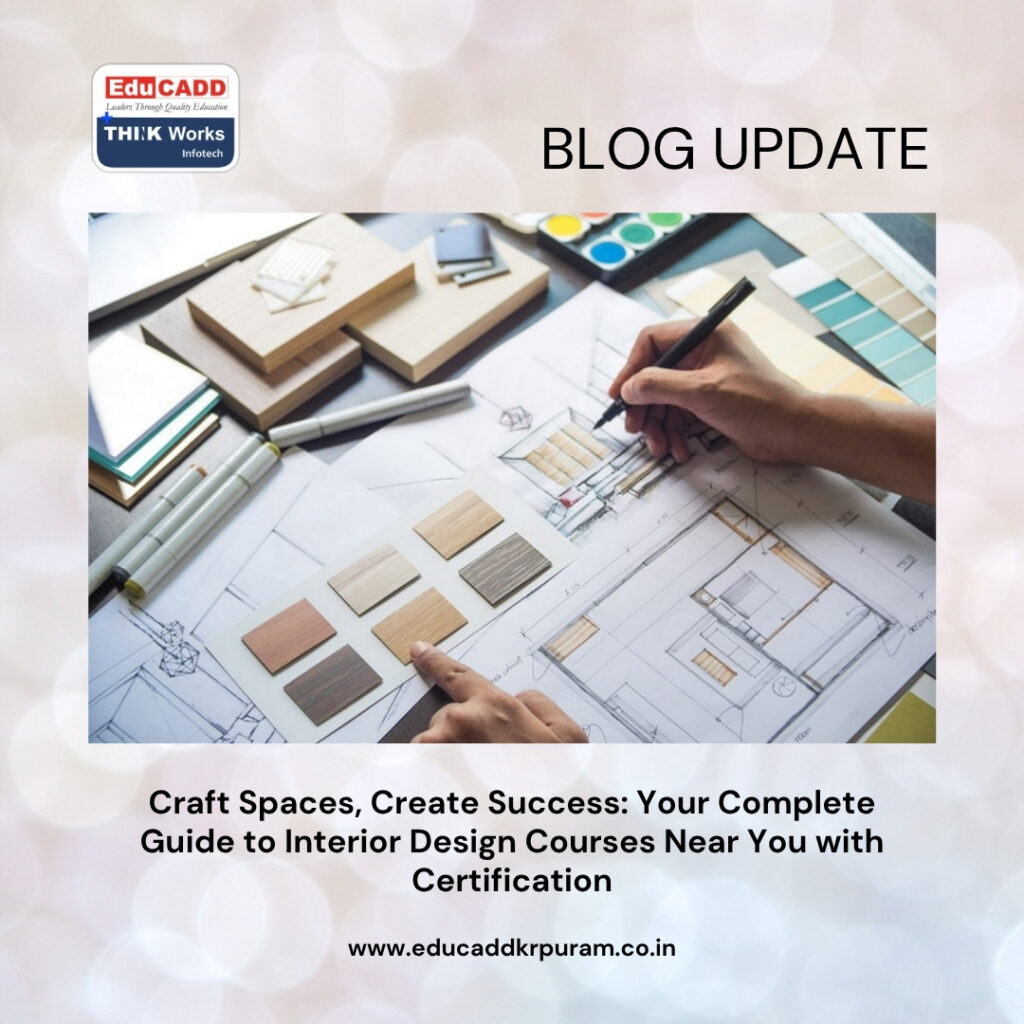
Interior Design Courses Near me
These courses are designed to equip you with practical skills, industry knowledge, and hands-on experience. Moreover, certification adds credibility to your profile, making you more attractive to employers and clients alike. In this comprehensive blog, you will explore everything you need to know about choosing the right course, understanding its benefits, and building a successful career in interior design.
1. Interior Design: A Career That Blends Art and Functionality
Interior Design Courses Near is a unique profession that combines creativity with technical expertise. Designers are responsible for transforming empty or outdated spaces into functional and visually appealing environments. They work on various types of projects, including residential, commercial, retail, and hospitality spaces.
This profession requires a deep understanding of design principles, spatial arrangements, and human behavior. Designers must create spaces that are not only beautiful but also practical and comfortable. Therefore, formal education plays a crucial role in helping aspiring designers develop the necessary skills and knowledge to excel in this field.
2. Why Choosing a Local Interior Design Course Makes a Difference
Opting for an interior design course near your location offers numerous advantages. One of the most important benefits is accessibility. You can attend classes regularly without dealing with long travel times, which helps maintain consistency in learning.
Additionally, local institutes often have strong connections with nearby industries and professionals. This can lead to better internship opportunities and real-world exposure. Being part of a local design community also helps you stay updated with regional trends and market demands, giving you a competitive edge.
3. The Value of Certification in Building Your Career
Certification is a key factor that sets you apart in the competitive world of interior design. It acts as proof of your expertise and dedication to the profession. Employers prefer certified candidates because they are more likely to possess industry-relevant skills.
Furthermore, certification builds trust among clients. When clients see that you have formal training, they feel more confident in your abilities. This can lead to more projects and better career growth opportunities, whether you choose to work for a company or start your own business.
4. Core Skills You Will Develop During the Course
An interior design course helps you build a strong foundation of essential skills. These skills are crucial for creating successful design solutions.
Some of the core skills include:
- Space planning and layout optimization
- Color coordination and material selection
In addition to these, you will also learn about lighting design, furniture arrangement, and client communication. These skills enable you to handle projects efficiently and deliver high-quality results.
5. A Closer Look at the Course Curriculum
The curriculum of an interior design course is designed to provide a balanced mix of theory and practice. Students are introduced to fundamental concepts as well as advanced techniques used in the industry.
Subjects typically include design principles, construction materials, furniture design, and lighting techniques. Many courses also incorporate software training, such as AutoCAD and 3D visualization tools. This ensures that students are well-prepared to meet industry requirements and work on modern design projects.
6. Flexible Course Options for Different Learning Needs
Interior design courses are available in various formats to suit different individuals. Whether you are a student, a working professional, or someone looking to switch careers, there is a course for you.
Short-term certification programs are ideal for quick skill development, while diploma courses offer more in-depth knowledge. Many institutes also provide flexible schedules, including weekend and online classes. This makes it easier for learners to pursue their passion without compromising their existing commitments.
7. Importance of Hands-On Training and Live Projects
Practical experience is a vital component of interior design education. Courses often include workshops, site visits, and real-world projects. These activities help students understand how theoretical concepts are applied in actual scenarios.
Working on live projects enhances your problem-solving abilities and boosts your confidence. It also prepares you to handle real client requirements and project challenges. As a result, you become industry-ready by the time you complete your course.
8. Career Paths You Can Explore After Certification
After completing an interior design course, you can explore a wide range of career opportunities. The field offers diverse roles that cater to different interests and skills.
Some popular career options include:
- Residential interior designer
- Commercial and corporate space designer
You can also specialize in areas such as kitchen design, furniture design, or exhibition design. With experience, you can move into senior roles or even start your own design firm.
9. Freelancing: A Flexible and Rewarding Career Option
Freelancing is a popular choice among interior designers. It allows you to work independently and take on projects that match your interests. You can manage your schedule and have the freedom to experiment with creative ideas.
Starting your own design business is another exciting opportunity. With the right skills and certification, you can build a strong reputation and attract clients. Over time, your business can grow, leading to increased income and professional recognition.
10. The Impact of Technology on Interior Design
Technology has revolutionized the interior design industry. Designers now use advanced tools to create precise and realistic designs. Software applications help in visualizing concepts and making necessary changes before implementation.
Learning these tools during your course gives you a significant advantage. Clients prefer designers who can present detailed plans and 3D models. Therefore, having strong technical skills is essential for staying competitive in the industry.
11. Choosing the Right Institute Near You
Selecting the right institute is one of the most important decisions you will make. You should consider factors such as faculty experience, course content, and infrastructure. A good institute provides both theoretical knowledge and practical exposure.
It is also helpful to check student reviews and placement records. Visiting the institute and interacting with faculty members can give you a better understanding of the learning environment. Making the right choice can greatly influence your career success.
12. Understanding Course Fees and Career Returns
The cost of an interior design course can vary depending on the institute and program level. While some courses may seem expensive, they often provide excellent value in terms of skills and career opportunities.
Investing in a quality course can lead to better job prospects and higher earning potential. As you gain experience and build a strong portfolio, your income can grow significantly. Therefore, it is important to view education as a long-term investment.
13. Future Scope and Industry Growth
The demand for interior designers is increasing due to rapid urbanization and changing lifestyles. People are more focused on creating comfortable and aesthetically pleasing spaces.
This growing demand ensures a stable and promising career for interior designers. With the right skills and certification, you can take advantage of these opportunities and achieve long-term success in the industry.
14. Key Tips to Succeed in Interior Design
Success in interior design requires dedication, creativity, and continuous learning. Staying updated with the latest trends and technologies is essential. Networking with industry professionals can also open up new opportunities.
Building a strong portfolio is crucial for showcasing your work. It helps potential clients and employers understand your style and capabilities. With consistent effort and passion, you can establish yourself as a successful interior designer.
Conclusion
Pursuing an Interior Design Courses Near me with certification is a powerful step toward building a fulfilling and creative career. It equips you with the knowledge, skills, and confidence needed to succeed in a competitive industry. Certification enhances your credibility and opens doors to a wide range of opportunities.
Whether you choose to work for a company, freelance, or start your own business, the possibilities in interior design are endless. With the industry growing rapidly, now is the perfect time to take the first step. By choosing the right course and committing to your goals, you can transform your passion into a successful and rewarding profession.

