
Blueprints of Creativity: Building a Successful Career Through a Professional Interior Design Course
Interior design has grown into a powerful profession that shapes how people live, work, and interact within spaces. It is no longer limited to decoration; instead, it combines creativity, technical expertise, and strategic thinking to design environments that are both functional and visually engaging. As modern lifestyles evolve, individuals and businesses are investing more in well-designed spaces, which has significantly increased the demand for skilled interior designers. A Professional Interior Design Career plays a crucial role in preparing aspiring designers for this dynamic field.
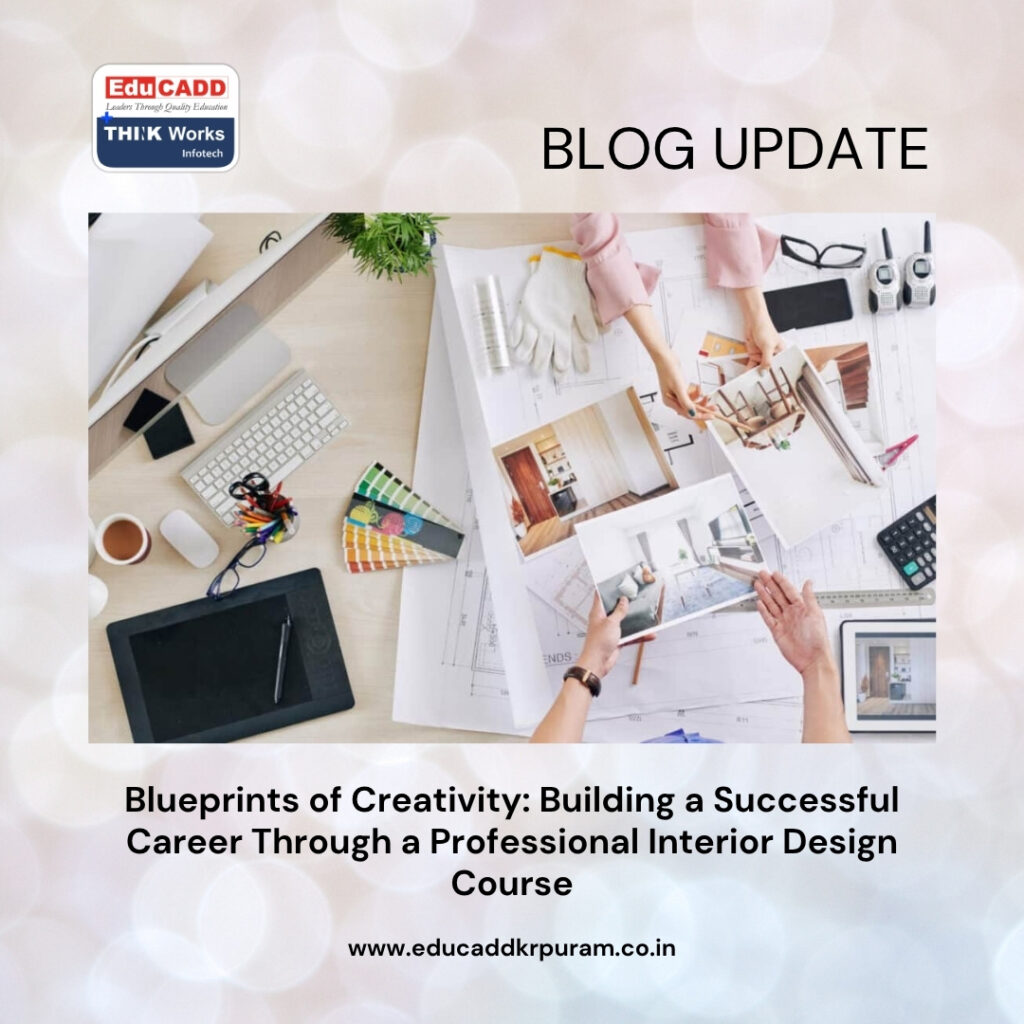
Professional Interior Design Career
It offers a structured learning environment where creativity is refined, and technical knowledge is developed. From understanding design fundamentals to mastering industry tools, such courses provide everything needed to build a strong career foundation. This detailed blog explores every aspect of pursuing a professional interior design course, helping you understand its value and long-term benefits.
1. The Growing Importance of Interior Design in Modern Living
Interior design has become an essential part of modern living as people seek comfort, functionality, and aesthetic appeal in their surroundings. Whether it is a home, office, retail store, or hospitality space, every environment requires thoughtful design to enhance user experience.
The demand for interior designers continues to rise due to rapid urbanization and changing lifestyle preferences. People now prioritize organized spaces that reflect their personality and support their daily activities. This shift has created a strong need for professionals who can design spaces that are both practical and visually pleasing.
2. Why Enrolling in a Professional Interior Design Career is Essential
While natural creativity can be an advantage, professional training ensures that ideas are executed effectively. A professional interior design course provides a comprehensive understanding of design principles, materials, and techniques.
Students are guided through structured lessons that help them translate concepts into real-world designs. In addition, they gain exposure to industry standards and practices, which prepares them for professional challenges. This combination of knowledge and experience makes a significant difference in career growth.
3. Core Skills Developed During the Learning Journey
A professional interior design course focuses on building a wide range of skills that are essential for success. These include creative thinking, spatial awareness, technical drawing, and project management.
Students also develop strong communication skills, enabling them to present ideas clearly to clients and stakeholders. Moreover, learning design software enhances precision and efficiency. These skills work together to create well-rounded professionals who can handle diverse design projects.
4. Understanding the Comprehensive Course Structure
The structure of a professional interior design course is designed to provide a balanced mix of theory and practice. It begins with fundamental concepts and gradually moves to advanced topics, ensuring a smooth learning curve.
Subjects such as color theory, space planning, lighting design, and furniture design are covered in detail. Assignments and projects are integrated into the curriculum to reinforce learning. This comprehensive approach ensures that students gain both knowledge and practical experience.
5. The Role of Practical Training in Skill Development
Hands-on experience is a vital component of interior design education. Without practical exposure, it becomes difficult to understand how design concepts are applied in real-life situations.
Through internships, live projects, and site visits, students gain valuable insights into the industry. These experiences help them understand client requirements, budgeting, and execution processes. As a result, they become more confident and capable of handling professional responsibilities.
6. How Technology Enhances Interior Design Practices
Technology has significantly transformed the interior design industry. Advanced tools and software allow designers to create accurate layouts and realistic visualizations, making it easier to communicate ideas.
Professional courses include training in tools such as AutoCAD, SketchUp, and rendering software. These technologies improve efficiency and enable designers to present their concepts effectively. As the industry continues to evolve, technological proficiency has become a key requirement.
7. Diverse Career Opportunities in Interior Design
Completing a professional interior design course opens up a wide range of career opportunities. Designers can work in various sectors, including residential, commercial, and hospitality design.
Some popular career roles include:
- Interior Designer
- Space Planner
- Design Consultant
- Furniture Designer
- Visual Merchandiser
With experience, professionals can also establish their own design firms, offering customized services to clients.
8. Benefits of Choosing a Professional Course
A professional interior design course offers numerous benefits that contribute to career success. It provides a structured learning environment where students can develop their skills under expert guidance.
Key benefits include:
- Exposure to real-time projects and industry practices
- Access to modern tools and design resources
Additionally, networking opportunities help students connect with industry professionals, which can lead to job placements and collaborations.
9. Mastering Fundamental Design Principles
Understanding design principles is essential for creating effective interiors. Concepts such as balance, harmony, contrast, and proportion play a crucial role in achieving visually appealing results.
A professional course teaches how to apply these principles in different contexts. By mastering these concepts, designers can create spaces that are both functional and aesthetically pleasing, ensuring client satisfaction.
10. The Significance of Efficient Space Planning
Space planning is a critical aspect of interior design that focuses on optimizing the use of available space. It involves arranging elements in a way that enhances functionality and flow.
Students learn how to analyze layouts and create designs that meet specific requirements. Effective space planning improves comfort and usability, making it an essential skill for interior designers, especially in compact urban environments.
11. Encouraging Creativity and Innovative Thinking
Creativity is the foundation of interior design, but innovation ensures that designs remain fresh and relevant. A professional course encourages students to experiment with new ideas and explore different design approaches.
By combining creativity with technical knowledge, designers can create unique and impactful spaces. This ability to innovate helps them stand out in a competitive market and deliver exceptional results.
12. Building Strong Communication and Presentation Skills
Effective communication is crucial for understanding client needs and delivering successful projects. A professional interior design course emphasizes the importance of interaction and presentation.
Students learn how to present design concepts, create detailed proposals, and handle client feedback. Strong communication skills help build trust and ensure smooth project execution, leading to better outcomes.
13. Emerging Trends Influencing Interior Design
The interior design industry is constantly evolving, influenced by changing lifestyles and technological advancements. Sustainability and smart living have become key focus areas.
Some notable trends include:
- Use of eco-friendly materials and sustainable practices
- Integration of smart home technologies
Staying updated with these trends allows designers to remain competitive and meet modern expectations.
14. Choosing the Right Institute for Your Career Goals
Selecting the right institute is a crucial step in pursuing a professional interior design course. A good institute provides quality education, experienced faculty, and practical exposure.
Students should evaluate factors such as course content, infrastructure, and placement support before making a decision. Choosing the right institute ensures a strong foundation and better career opportunities.
Conclusion
A Professional Interior Design Career is more than just an educational program; it is a pathway to a fulfilling and creative career. It equips individuals with the skills, knowledge, and confidence needed to succeed in a dynamic industry. From mastering design principles to understanding market trends, the journey is both challenging and rewarding.
As the demand for well-designed spaces continues to grow, skilled interior designers will remain in high demand. By investing in professional training, you can transform your passion into a successful profession. Ultimately, this journey allows you to create inspiring environments while building a future filled with opportunities and growth.

