
Driving Engineering Excellence Through ANSYS Design Validation
In the competitive world of engineering, precision and reliability are non-negotiable. Products must not only meet design specifications but also perform consistently under real-world conditions. Any flaws in the design phase can result in costly recalls, delays, or safety hazards. This is where ANSYS Design Validation becomes essential.
ANSYS provides advanced simulation tools that allow engineers to test, optimize, and refine products digitally. By simulating real-world conditions before manufacturing, companies can reduce risks, improve performance, and deliver accurate, dependable products.
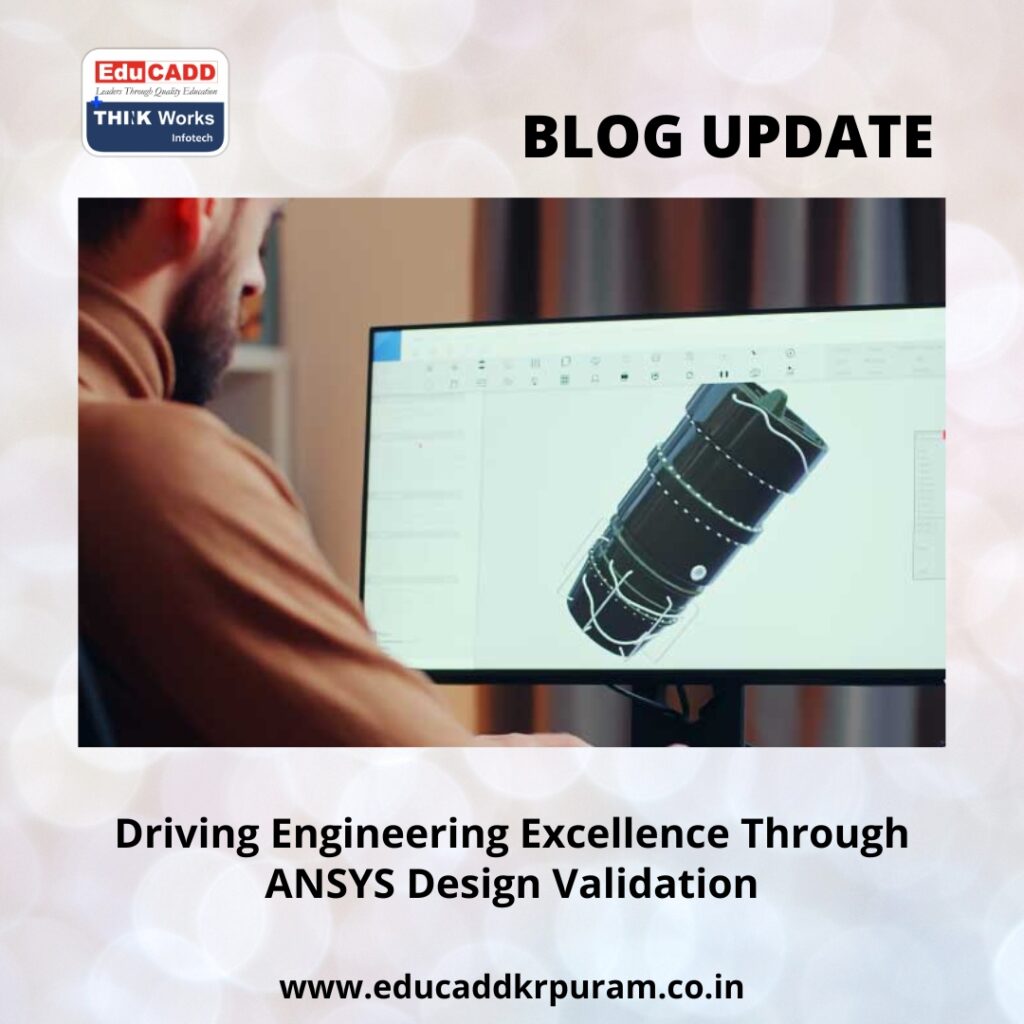
ANSYS Design Validation
This article explores the importance of ANSYS Design Validation, its advantages, practical applications, and how it drives innovation and product accuracy.
The Critical Role of Design Validation
The journey from concept to finished product is complex. Even minor design errors can escalate into major issues if not identified early. Traditional physical prototyping, while useful, is often time-consuming, expensive, and limited in scope.
Design validation using ANSYS allows engineers to replicate real-world scenarios digitally. Mechanical stress, thermal effects, fluid flow, and electromagnetic behavior can all be tested virtually. This ensures the product performs as intended under various conditions.
Digital validation also shortens development cycles. Engineers can quickly make adjustments, test alternatives, and move closer to production without waiting weeks for physical prototypes. In today’s fast-paced market, early-stage simulation is key to both efficiency and quality assurance.
How ANSYS Enhances Design Accuracy
ANSYS offers a robust platform for multi-faceted testing. Its capabilities range from finite element analysis (FEA) to computational fluid dynamics (CFD), providing comprehensive design evaluation.
-
Structural Analysis – Predicts how materials and components respond to loads, stress, and vibration. Weak points are identified early.
-
Thermal Simulation – Ensures components resist heat-related deformation or failure.
-
Fluid Flow Analysis – Optimizes designs for pumps, turbines, and cooling systems.
-
Electromagnetic Simulation – Evaluates signal integrity and interference for electronic devices.
The true strength of design validation using ANSYS lies in combining multiple simulations in one platform. For example, thermal and mechanical effects can be analyzed together, providing a holistic view of performance that traditional testing often misses.
Advantages of Using ANSYS for Validation
Implementing ANSYS in product development offers multiple benefits:
-
Enhanced Precision: Predicts real-world performance accurately, minimizing uncertainties.
-
Cost Savings: Reduces the need for multiple physical prototypes.
-
Faster Time-to-Market: Quick iteration accelerates product development.
-
Reliability: Early detection of potential failures prevents costly recalls.
-
Innovation: Engineers can safely test new ideas without risking time or resources.
Industries ranging from automotive to aerospace, healthcare, and electronics benefit significantly from these advantages. Design validation using ANSYS ensures products are robust, reliable, and ready for market demands.
Real-Life Applications Across Industries
ANSYS is used extensively across industries, each with unique validation needs:
-
Automotive: Simulates crash tests, aerodynamics, and engine performance for safety and efficiency.
-
Aerospace: Evaluates aircraft structures for pressure, turbulence, and thermal effects.
-
Electronics: Tests devices for heat dissipation, interference, and performance reliability.
-
Healthcare: Validates medical implants and devices for safety and effectiveness.
-
Energy: Analyzes wind turbine blades, pipelines, and other systems for structural and aerodynamic performance.
These examples highlight how design validation using ANSYS is adaptable, versatile, and critical for high-performance products.
Best Practices for Implementing ANSYS
Effective use of ANSYS requires more than installing software—it demands a strategic approach.
-
Set Clear Goals – Define what you need to validate, whether it’s thermal resistance, mechanical stress, or fluid dynamics.
-
Develop Accurate Models – Quality input data and precise boundary conditions are essential for reliable simulations.
-
Test Multiple Scenarios – Simulate a range of conditions, from ideal to worst-case, for comprehensive validation.
-
Integrate with Development – Use simulation results to refine CAD models and production plans. This creates a seamless feedback loop between design, validation, and manufacturing.
Following these practices ensures that ANSYS simulations produce actionable insights and maximize product performance.
Conclusion: Unlocking Reliable Innovation
In modern engineering, ANSYS Design Validation is crucial for creating products that are precise, reliable, and market-ready. It reduces risk, improves efficiency, and supports innovation by allowing engineers to test designs digitally.
By embracing digital validation, companies can shorten development cycles, minimize errors, and enhance product quality. ANSYS is not just a simulation tool—it is a vital partner in achieving engineering excellence and delivering products that meet both performance and safety standards.

