
Designing the Future: Unleashing the Potential of CAD Software in Interior Design
Interior design is no longer solely about choosing color palettes, furniture, or decorative items. Today, it has transformed into a meticulous blend of creativity, functionality, and technology. Designers are tasked with creating spaces that are both aesthetically compelling and highly functional, all while meeting client expectations and budget constraints. The key tool enabling this balance is CAD Interior Design Tools. This software empowers designers to visualize, simulate, and refine every aspect of a space digitally before implementation begins. It bridges the gap between imagination and reality, transforming ideas into precise, workable designs. This blog explores the pivotal role of CAD software in modern interior design, its practical applications, advantages, and how it is shaping the future of interior planning.
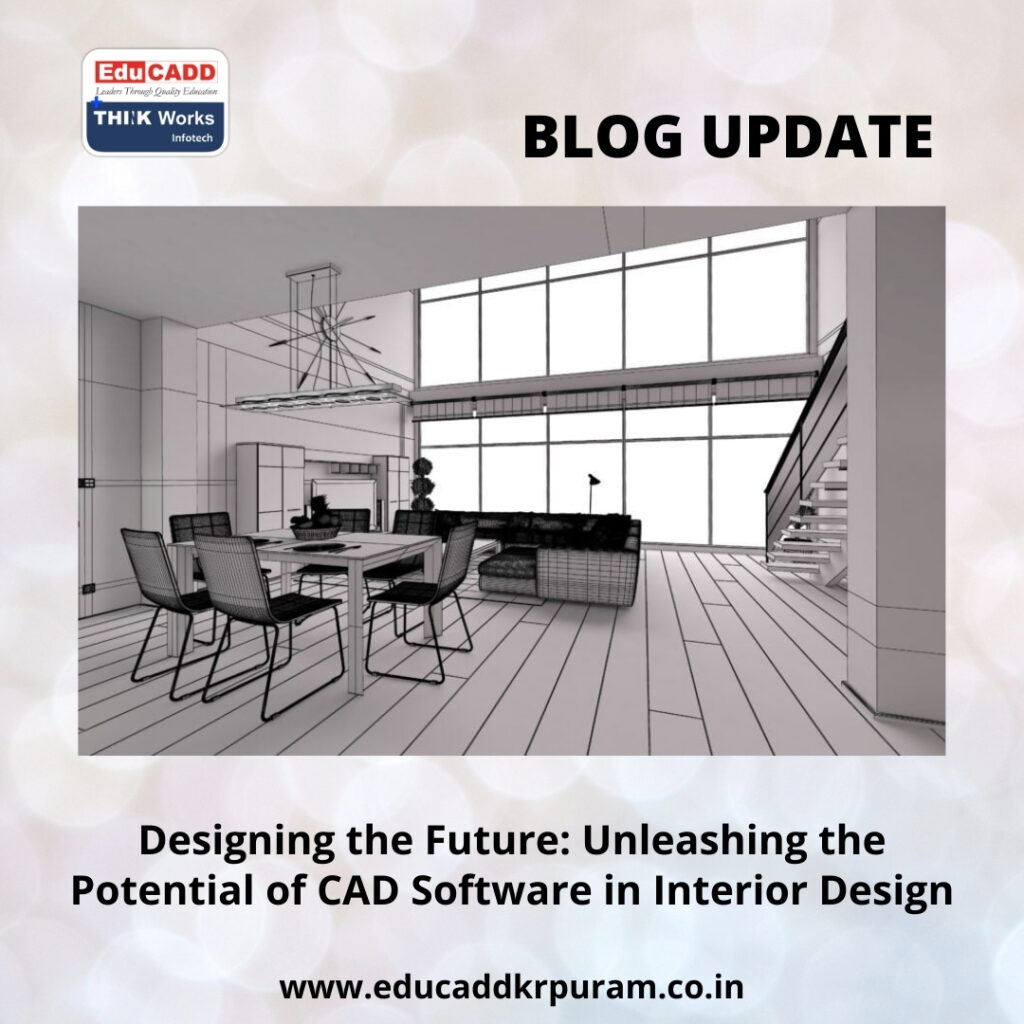
CAD Interior Design Tools
From Sketches to Digital Masterpieces: The Evolution of Interior Design
Historically, interior design relied heavily on hand-drawn sketches, physical models, and sample boards. While these methods allowed for creativity and personalization, they were prone to human error and time-intensive revisions. With the advent of CAD technology, designers gained the ability to create highly accurate digital representations of spaces. CAD Interior Design Tools now allows professionals to experiment with layouts, color schemes, textures, and lighting in a virtual environment. By integrating technology with traditional design principles, CAD tools offer a perfect balance of precision, flexibility, and artistic freedom, streamlining processes that once consumed weeks of manual effort.
Understanding CAD Software: A Designer’s Digital Companion
At its core, CAD software is a computer-aided tool for creating, modifying, and visualizing designs in both 2D and 3D. Unlike conventional sketches, CAD provides interactive models where designers can manipulate every element of a space digitally. Popular software for interior design includes AutoCAD, SketchUp, Revit, and 3ds Max. These platforms allow designers to build detailed floor plans, simulate furniture arrangements, experiment with textures and colors, and even test lighting effects. CAD enables precise control over every aspect of design, ensuring that concepts are translated into executable plans without guesswork, minimizing errors, and enhancing overall efficiency.
Precision in Planning: The Power of Accurate Floor Plans
Floor planning is a critical foundation of interior design. CAD Interior Design Tools allows designers to create highly detailed layouts that reflect accurate room dimensions, wall placements, and structural elements. Unlike hand-drawn sketches, CAD plans can be adjusted in real time, allowing for multiple iterations without physically moving furniture or altering physical spaces. This accuracy ensures that interior layouts maximize functionality and aesthetic appeal while reducing costly errors during construction or installation. By digitally refining floor plans, designers can confidently present layouts that balance practicality with creativity.
Immersive 3D Visualization: Bringing Designs to Life
One of the most compelling features of CAD software is its ability to generate realistic 3D visualizations. While traditional 2D drawings and sketches often fail to communicate the spatial feel of a room, CAD allows designers to produce photorealistic renderings that simulate depth, lighting, textures, and materials. Clients can virtually walk through these 3D models to experience the design before construction begins. This immersive visualization improves client understanding, fosters engagement, and ensures that any changes can be made digitally, saving time and avoiding costly physical adjustments.
Optimizing Space: Effective Layouts for Every Environment
Efficient space management is a key concern for designers, particularly in urban environments with limited square footage. CAD software provides tools to analyze circulation patterns, furniture arrangements, and storage solutions. Designers can experiment with multiple configurations to identify the optimal use of space while ensuring comfort and functionality. This virtual exploration allows for testing layouts that meet both aesthetic and practical needs, reducing the trial-and-error process and minimizing errors during implementation. By planning digitally, designers can achieve a perfect balance between beauty and usability in any interior setting.
Materials and Colors: Virtual Experimentation for Perfect Results
Selecting the right materials and color combinations can make or break an interior design. CAD software allows designers to digitally apply various materials, textures, and color schemes to walls, floors, and furnishings. Wood grains, stone finishes, fabrics, and wall paints can all be simulated in a virtual environment. Advanced lighting simulations further allow designers to see how colors and textures interact under different lighting conditions, both natural and artificial. This capability enables designers to make informed choices, ensuring harmonious aesthetics while reducing waste and saving costs associated with trial-and-error material testing.
Streamlined Documentation for Error-Free Execution
Accurate documentation is essential for smooth execution in interior design projects. CAD software simplifies the generation of technical drawings, including floor plans, elevations, sections, and material specifications. These documents serve as precise instructions for contractors and vendors, minimizing misunderstandings and implementation errors. CAD files can be easily updated and shared among team members, promoting collaboration and transparency. Streamlined documentation not only ensures professional standards but also allows designers to focus more on creativity while the technical details are handled efficiently.
Facilitating Team Collaboration: Unified Design Workflow
Interior design projects often require collaboration between multiple stakeholders, including architects, engineers, contractors, and clients. CAD software facilitates seamless communication by providing a centralized digital platform where all team members can access updated designs in real time. Cloud-based CAD platforms support version control, live feedback, and simultaneous updates, enabling teams to coordinate effectively and reduce errors. This collaborative workflow fosters innovative problem-solving and ensures that design intentions are clearly communicated and executed accurately across all stages of a project.
Sustainability and Energy Efficiency in Digital Design
Sustainability is increasingly a priority in interior design. CAD software allows designers to integrate eco-friendly practices into their projects by simulating natural lighting, airflow, and energy efficiency. Designers can evaluate how different materials, layouts, and lighting strategies affect energy consumption, helping reduce environmental impact. Digital simulations of sustainable alternatives allow experimentation without physical waste, enabling designers to implement energy-efficient solutions while maintaining visual appeal and functional excellence. CAD thus becomes an essential tool for environmentally conscious design.
Time and Cost Efficiency: Reducing Waste and Delays
Time and budget constraints are a constant challenge in interior design. CAD software in interior design significantly reduces time spent on revisions and manual drafting. Digital layouts and 3D visualizations allow clients to approve designs early, minimizing the need for costly changes during execution. Accurate documentation ensures contractors implement plans correctly on the first attempt. By streamlining workflow, minimizing errors, and enabling virtual testing, CAD software saves time, reduces project costs, and enhances client satisfaction, making it an indispensable asset for modern interior projects.
Enabling Personalized and Client-Centric Designs
Modern clients expect interiors that reflect their unique personalities and lifestyles. CAD software allows designers to create highly personalized designs by experimenting with multiple concepts digitally. Furniture dimensions, color schemes, lighting arrangements, and decorative elements can all be tailored to individual client preferences. Presenting clients with multiple virtual options enhances engagement, encourages feedback, and ensures that final designs align perfectly with their vision. This level of customization strengthens the client-designer relationship and increases overall project satisfaction.
Immersive Experiences Through VR and AR
The integration of Virtual Reality (VR) and Augmented Reality (AR) with CAD software is transforming client presentations. VR enables full 3D walkthroughs of future spaces, providing clients with an immersive understanding of spatial flow, scale, and ambiance. AR allows designers to overlay digital models onto existing spaces, giving clients a real-world perspective on design decisions. These immersive technologies enhance communication, allow for precise spatial planning, and enable clients to experience the design before any physical changes occur, bridging the gap between imagination and reality.
Future Trends: AI, Cloud Collaboration, and Smart Interiors
The evolution of CAD Interior Design Tools continues at a rapid pace. Artificial intelligence is being integrated for automated layout suggestions, trend predictions, and material recommendations. Cloud-based tools allow seamless collaboration, enabling designers to work from any location while maintaining access to up-to-date project data. As smart home technologies and sustainable practices gain importance, CAD software will increasingly support the design of intelligent, energy-efficient, and highly adaptable interiors. Staying abreast of these trends is essential for designers seeking to remain competitive in a technology-driven industry.
Conclusion
CAD Interior Design Tools has fundamentally transformed the way spaces are conceptualized, planned, and executed. From precise floor plans and 3D visualizations to enhanced collaboration, sustainability, and client personalization, CAD tools enable designers to merge creativity with technical accuracy seamlessly. By allowing designers and clients to explore ideas digitally before implementation, CAD software minimizes errors, reduces costs, and ensures superior outcomes. As interior design continues to evolve, the integration of CAD technology will remain central to delivering innovative, functional, and visually stunning interiors, making it an indispensable resource for contemporary designers.

