
Designing with Confidence: A Complete Guide to Choosing Fabrics, Upholstery & Soft Furnishings
Choosing Fabrics and Upholstery its true potential when fabrics, upholstery, and soft furnishings are chosen with clarity and purpose. While layouts and furniture provide structure, textiles influence comfort, mood, acoustics, and daily usability. The Choosing Fabrics and Upholstery can make a room feel warm and inviting, while the wrong one can quickly appear tired or impractical. Learning how to thoughtfully select fabrics, upholstery, and soft furnishings empowers homeowners, designers, and students to create spaces that balance beauty with performance. This comprehensive guide explores every essential aspect of textile selection, ensuring your interiors remain elegant, functional, and enduring.
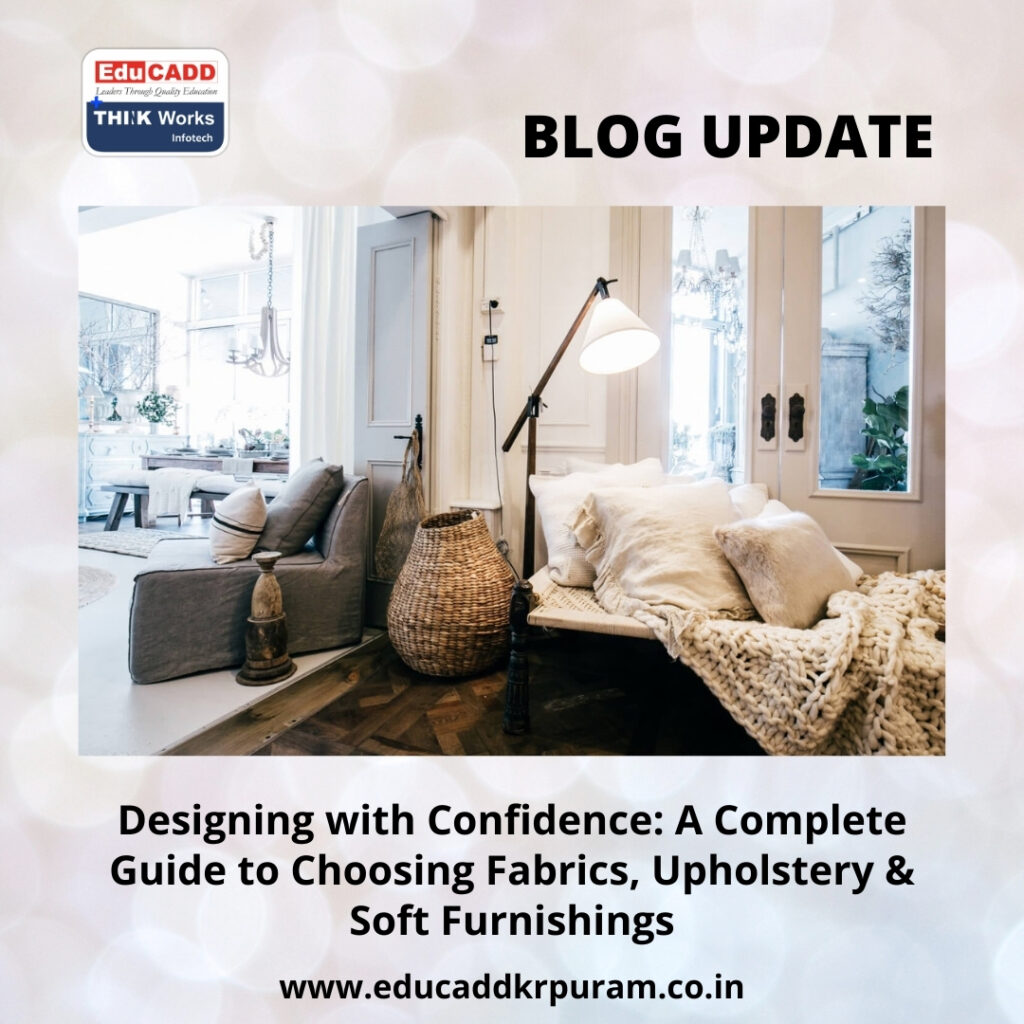
Choosing Fabrics and Upholstery
1. The Role of Fabrics in Interior Design
Fabrics serve as the connective element that ties interior components together. They soften architectural lines, introduce color and pattern, and influence how a space feels and sounds. Upholstery adds comfort and structure to furniture, while soft furnishings enhance warmth and visual rhythm. Curtains regulate light and privacy, cushions add personality, and rugs anchor seating areas. Understanding the purpose of each fabric application helps you select materials that support both aesthetics and everyday living, ensuring a cohesive and comfortable interior.
2. Understanding Fiber Composition and Performance
Fabric performance begins at the fiber level. Natural fibers such as cotton, linen, wool, and silk offer breathability, texture, and timeless appeal. Cotton remains versatile and easy to use, linen provides relaxed sophistication, wool delivers durability and insulation, and silk introduces refined luxury. Synthetic fibers like polyester, nylon, and acrylic excel in strength, stain resistance, and color retention. Blended fabrics combine these qualities, delivering balanced performance. Knowing fiber characteristics allows you to anticipate how a fabric will behave over time.
3. Natural Fabrics: Benefits and Limitations
Natural fabrics bring authenticity and tactile richness to interiors. They age gracefully and often feel more comfortable in varying climates. However, they may wrinkle easily, fade under sunlight, or require professional care. Linen and cotton suit casual spaces, while wool works well for upholstery due to its resilience. Silk, although luxurious, performs best in low-use areas. Choosing natural fabrics requires careful consideration of placement, usage, and maintenance expectations.
4. Synthetic and Blended Fabrics in Modern Interiors
Synthetic fabrics play a vital role in contemporary design. They withstand heavy use, resist stains, and maintain color vibrancy. Microfiber, polyester blends, and performance fabrics suit busy households and commercial environments. Blended fabrics merge comfort with practicality, making them popular for sofas, dining chairs, and family rooms. These materials provide designers with flexibility, durability, and affordability without compromising style.
5. Fabric Weaves, Finishes, and Texture Impact
The way a fabric is woven affects its strength, drape, and appearance. Plain weaves are durable and versatile, while twill weaves offer resistance to wear and creasing. Satin weaves create smooth, elegant surfaces. Texture enhances visual depth and tactile appeal. Velvet conveys richness, boucle adds warmth, and textured linens create relaxed charm. Selecting appropriate weaves and textures ensures fabrics complement both furniture form and interior style.
6. Upholstery Selection: Comfort Meets Endurance
Upholstery fabrics must handle constant interaction. Seating surfaces endure friction, weight, and movement, making durability essential. Abrasion ratings help measure fabric strength, while tight weaves prevent pilling. Color choice also matters, as darker tones hide wear more effectively. Comfort remains equally important, so fabric hand-feel and breathability should align with climate and usage. Smart upholstery choices extend furniture lifespan while maintaining comfort.
7. Upholstery Strategies for High-Use Spaces
Living rooms, lounges, and waiting areas demand high-performance upholstery. Stain-resistant finishes, moisture-repellent coatings, and durable fibers protect against spills and wear. Leather and treated fabrics offer longevity and easy maintenance. Patterns, subtle textures, and mid-tone colors disguise daily wear. Selecting the right upholstery for high-traffic zones preserves appearance while supporting practical living.
8. Accent Furniture and Decorative Upholstery
Accent furniture allows creative expression through fabric choice. Statement chairs, benches, and ottomans can feature bold patterns, vibrant colors, or luxurious textures. Because these pieces receive limited use, designers can prioritize aesthetics over durability. Decorative upholstery introduces contrast and visual interest, elevating overall interior composition without overwhelming functionality.
9. Soft Furnishings as Design Enhancers
Soft furnishings shape the atmosphere of a room. Curtains frame windows, cushions add comfort, throws create warmth, and rugs define zones. These elements allow seasonal updates and quick style refreshes. Layering fabrics with varied textures and tones builds depth and sophistication. Thoughtful coordination ensures soft furnishings complement furniture, walls, and lighting harmoniously.
10. Curtain Fabrics and Window Treatments
Curtains influence light control, privacy, and insulation. Sheer fabrics soften daylight and enhance openness, while heavier materials block light and provide thermal comfort. Fabric weight, lining, and drape affect functionality and visual flow. Choosing suitable curtain fabrics improves energy efficiency and enhances the overall ambiance of a space.
11. Cushion, Throw, and Accessory Fabrics
Cushions and throws serve as flexible design tools. They allow experimentation with trends, textures, and color palettes. Mixing fabrics such as wool, cotton, and velvet adds richness, while balanced patterns prevent visual overload. These accessories personalize interiors and offer cost-effective updates without permanent changes.
12. Color Theory and Pattern Coordination
Fabric color influences emotional response and spatial perception. Cool hues promote calmness, warm shades encourage energy, and neutrals offer versatility. Patterns introduce movement and character. Successful coordination involves balancing solids with prints and aligning scale with room size. Understanding color theory ensures fabrics enhance mood and harmony throughout the space.
13. Maintenance, Care, and Longevity Planning
Every fabric choice carries maintenance responsibilities. Some fabrics tolerate machine washing, while others require professional care. Upholstery benefits from regular vacuuming and periodic deep cleaning. Sun exposure, humidity, and usage patterns affect longevity. Selecting fabrics with manageable care requirements ensures lasting satisfaction and preserves appearance.
14. Budgeting and Sustainable Fabric Choices
Budget planning influences material selection, but informed decisions maximize value. Invest in durable upholstery for essential furniture and choose cost-effective options for decorative elements. Sustainable fabrics, including organic cotton and recycled fibers, support environmental responsibility without sacrificing style. Balancing budget, durability, and sustainability leads to thoughtful, future-ready interiors.
Conclusion
Choosing Fabrics and Upholstery and soft furnishings requires knowledge, creativity, and strategic thinking. Each selection contributes to comfort, durability, and visual harmony. By understanding fibers, textures, colors, and maintenance needs, you can design interiors that adapt gracefully to lifestyle demands. Thoughtful textile choices transform spaces into lasting expressions of comfort, elegance, and personal style.

