
Precision Planning: Learn Critical Path Method with Practical Exercises
Project success doesn’t happen by chance. It requires careful planning, clear prioritization, and disciplined execution. The Critical Path Planning Exercises is a project management technique that identifies the most important tasks and determines the shortest time needed to complete a project.
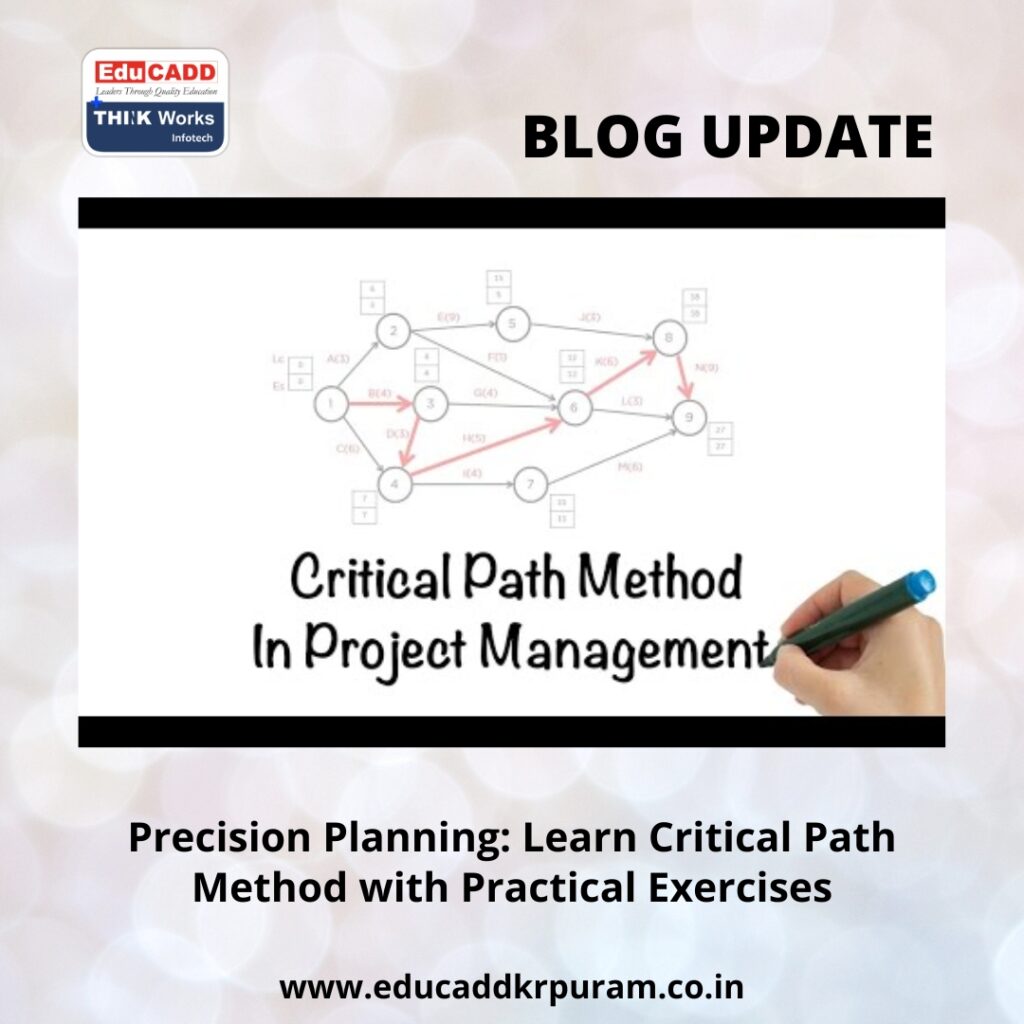
Critical Path Planning Exercises
By choosing to Critical Path Planning Exercises, you move beyond theory. You develop the ability to apply CPM in real-world scenarios, improving accuracy, efficiency, and project outcomes. This guide explores the method, outlines step-by-step approaches, and provides practical exercises to enhance your skills.
1. What is the Critical Path Method?
The Critical Path Method is a scheduling technique used to map out project activities. It highlights the tasks that directly affect the project’s finish date. These tasks form the “critical path,” which determines the minimum project duration.
Key concepts include:
-
Tasks and Activities: Every step required to complete the project.
-
Dependencies: Tasks that rely on the completion of others.
-
Duration Estimates: The expected time for each task.
-
Critical Path: The sequence of tasks that cannot be delayed without affecting the overall project timeline.
Understanding CPM equips project managers to identify bottlenecks, prioritize critical work, and plan resource allocation effectively.
2. The Importance of Practical Exercises
Simply understanding CPM concepts is not sufficient. Practical exercises turn knowledge into actionable skills. They help you visualize dependencies, calculate timelines, and make informed decisions.
Key advantages of hands-on learning:
-
Improved Scheduling – See how a delay in one task affects the overall project.
-
Better Time Management – Allocate resources efficiently.
-
Fewer Mistakes – Identify overlooked dependencies early.
-
Real-World Preparedness – Apply lessons learned to live projects confidently.
For instance, planning a product launch requires coordinating design, development, and marketing. Exercises allow you to determine which steps are critical to meet the launch date.
3. Step-by-Step Implementation of CPM
Here is a practical approach to applying the Critical Path Method:
Step 1: List All Tasks
Document every activity necessary to complete the project, e.g., research, design, testing, and deployment.
Step 2: Identify Dependencies
Determine which tasks depend on others. For example, coding cannot start until the design phase is complete.
Step 3: Estimate Task Durations
Assign realistic durations to each activity, such as research – 3 days, design – 5 days.
Step 4: Create a Network Diagram
Arrange tasks visually in a flowchart to represent dependencies and sequences.
Step 5: Determine Early and Late Start/Finish
Calculate the earliest and latest times tasks can start and finish without delaying the project.
Step 6: Identify the Critical Path
Highlight tasks with zero slack. Any delay in these tasks will extend the overall project timeline.
Step 7: Monitor and Adjust
Track progress against the plan and make adjustments to stay on schedule.
Following these steps ensures better planning and helps avoid surprises during project execution.
4. Hands-On Exercises to Enhance CPM Skills
Practical exercises strengthen understanding and confidence. Here are examples:
Exercise 1: Event Planning
Plan a conference with tasks such as venue booking, speaker coordination, catering, and marketing. Identify dependencies and construct a network diagram to find the critical path.
Exercise 2: Construction Project
Organize the construction of a small office building. Tasks include foundation, walls, roofing, and painting. Determine the sequence and critical path.
Exercise 3: Software Deployment
Schedule a mobile app launch. Include design, development, testing, and marketing. Identify the critical tasks that must finish on time.
Exercise 4: Personal Project
Apply CPM to personal goals like organizing a wedding or preparing for exams. List tasks, define dependencies, and determine which activities are most crucial.
These exercises demonstrate CPM’s versatility across industries and personal planning.
5. Advantages and Considerations of CPM
CPM provides a structured approach but has certain limitations. Understanding both ensures effective use.
Advantages
-
Offers a clear visual roadmap of project activities.
-
Focuses attention on tasks critical to timely completion.
-
Improves team communication and coordination.
-
Optimizes resource allocation.
Considerations
-
Accuracy depends on realistic task durations.
-
Large projects can produce complex diagrams.
-
Unexpected events may require adjustments to the schedule.
Even with limitations, CPM combined with practical exercises is a powerful tool for reliable project management.
Conclusion
Theory alone cannot make a project manager successful. To excel, you must Critical Path Planning Exercises. This approach develops decision-making skills, enhances efficiency, and ensures projects meet deadlines.
Whether managing business initiatives, construction projects, or personal goals, CPM provides a clear path to success. Practicing exercises regularly transforms abstract concepts into tangible results, empowering you to deliver projects with confidence.

