
Intelligent Power Distribution Design with Electrical CADD: Transforming Electrical Planning for Modern Infrastructure
Electricity powers almost every aspect of modern life. From homes and office buildings to factories and large infrastructure projects, reliable electrical systems are essential for smooth operation. At the heart of these systems lies Electrical CADD Power Distribution, which ensures that electrical energy flows safely from the main source to every connected device. Designing a dependable distribution network requires careful planning, accurate calculations, and clear system documentation. Engineers must consider factors such as load demand, equipment capacity, voltage stability, and safety regulations when creating electrical distribution systems.
In the past, electrical engineers relied heavily on manual drafting techniques and physical blueprints to design power distribution layouts. While those traditional methods helped engineers complete many successful projects, they often required significant time and effort. Updating drawings after design changes was also challenging, and small drafting errors could lead to costly mistakes during installation.
With the advancement of digital engineering technology, Electrical Computer-Aided Design and Drafting (Electrical CADD) has transformed the way electrical systems are designed. Electrical CADD provides a digital environment where engineers can create detailed electrical drawings, simulate system behavior, and manage large design datasets efficiently. By using these tools, professionals can visualize entire electrical networks before construction begins.
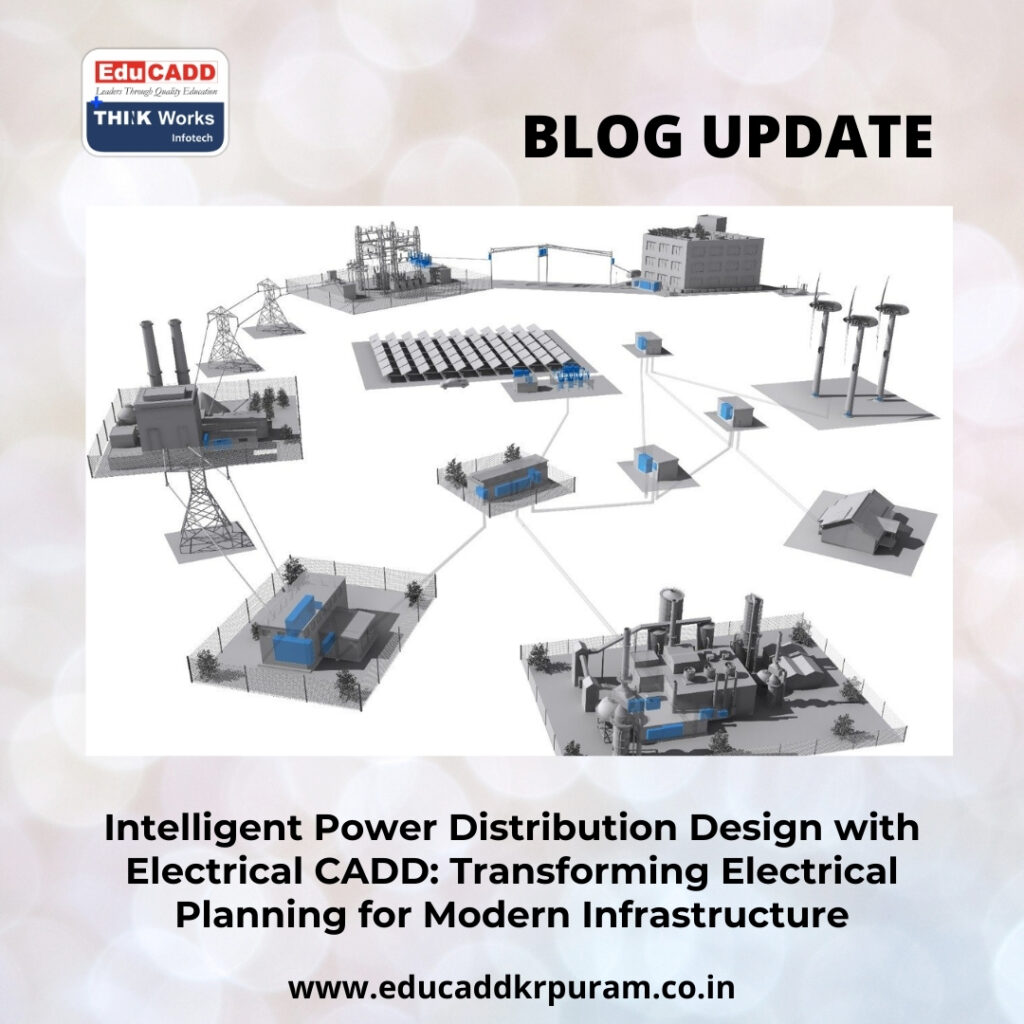
Electrical CADD Power Distribution
Electrical CADD Power Distribution allows engineers to plan electrical systems with improved precision and efficiency. Designers can create single line diagrams, cable routing plans, equipment layouts, and panel schedules within one integrated platform. This modern approach enhances productivity, reduces design errors, and supports better collaboration among project teams. As buildings and industrial facilities continue to grow in complexity, Electrical CADD has become an indispensable tool for modern electrical engineering.
Fundamentals of Power Distribution Design
Electrical CADD Power Distribution design focuses on delivering electrical energy from the primary supply source to different electrical loads within a facility. These loads may include lighting fixtures, air conditioning systems, computers, elevators, industrial machines, and various other electrical devices. The distribution system must ensure that power reaches every load efficiently while maintaining proper voltage levels and minimizing energy losses.
Engineers begin the design process by analyzing the total electrical demand of the facility. They estimate load requirements based on building usage, equipment specifications, and operational needs. Once the demand is calculated, engineers determine how power will be distributed through transformers, switchgear, panels, and cables.
The design must also ensure that electrical circuits remain balanced and that equipment operates within safe limits. Overloading circuits or selecting incorrect cable sizes could lead to overheating and system failures. Therefore, accurate calculations and careful planning are essential.
Electrical CADD tools simplify this process by providing a digital platform for organizing electrical components and connections. Engineers can arrange equipment symbols, draw circuits, and maintain detailed system data within one workspace. This approach improves design accuracy and makes the entire planning process more efficient.
Evolution of Electrical Design Through Digital Tools
Electrical engineering has experienced a major transformation with the introduction of digital design software. Traditional drafting techniques required engineers to draw electrical diagrams by hand using drafting boards and paper sheets. These drawings often required significant effort to maintain and revise, especially when project requirements changed.
Electrical CADD Power Distribution has replaced many of these manual tasks with automated design features. Engineers can now create complex electrical drawings using standardized symbols and intelligent drafting tools. The software allows designers to modify layouts quickly without redrawing entire diagrams.
Digital tools also help engineers manage large amounts of electrical data. Information such as cable sizes, equipment ratings, and load values can be attached directly to components within the design environment. This integration ensures that technical details remain consistent across all project documents.
Furthermore, Electrical CADD supports collaboration between different engineering disciplines. Architects, mechanical engineers, and electrical designers can share digital drawings and coordinate their work more effectively. This integrated approach leads to smoother project execution and better overall design quality.
Key Components in Electrical Power Distribution Systems
A reliable power distribution network contains several important components that work together to deliver electricity safely and efficiently. Understanding these elements is essential when designing electrical systems using Electrical CADD.
Transformers play a vital role by adjusting voltage levels to match the requirements of different electrical loads. High-voltage electricity from utility grids is stepped down through transformers before it is distributed to buildings and equipment. Switchgear controls and protects electrical circuits by disconnecting faulty sections during abnormal conditions.
Distribution panels divide electrical power into smaller circuits that supply electricity to various areas within a facility. These panels contain circuit breakers, protective relays, and monitoring devices that regulate the flow of power. Cables and conductors serve as the pathways through which electricity travels from one component to another.
Electrical CADD software allows engineers to position these components accurately within digital layouts. By organizing the system visually, designers can ensure that the distribution network operates smoothly and meets all technical requirements.
Developing Single Line Diagrams Using Electrical CADD
Single line diagrams are one of the most important tools used in electrical engineering. These diagrams provide a simplified overview of the entire electrical system using standardized symbols and single lines to represent complex three-phase circuits.
When engineers perform power distribution design using Electrical CADD, creating a single line diagram is often one of the first steps. The diagram shows the main power source, transformers, switchgear, distribution panels, and major electrical loads in a clear and organized manner.
Electrical CADD software makes it easy to construct these diagrams by providing symbol libraries and automated connection tools. Engineers can quickly place components within the diagram and connect them to represent electrical pathways. Each symbol can include additional information such as voltage levels, load ratings, and equipment specifications.
Single line diagrams help engineers understand the overall structure of the electrical system. They also serve as valuable references during installation, maintenance, and troubleshooting activities.
Performing Accurate Electrical Load Calculations
Load calculation is a critical step in designing any electrical distribution system. Engineers must estimate how much electrical power will be required to operate all equipment within a facility. This includes lighting systems, heating and cooling equipment, office electronics, industrial machinery, and many other devices.
Electrical CADD software assists engineers in organizing load data efficiently. Designers can assign load values to different circuits and monitor how electricity is distributed across panels and feeders. This digital approach allows engineers to analyze the total demand and adjust system components accordingly.
Accurate load calculations provide several important benefits:
-
Proper selection of transformers, cables, and protection devices
-
Balanced electrical circuits that improve system performance
By ensuring that every component is correctly sized, engineers can create electrical systems that operate safely and efficiently for many years.
Designing Electrical Panels and Circuit Layouts
Electrical panels act as distribution hubs within a power distribution system. They receive electricity from the main supply and divide it into multiple circuits that deliver power to different parts of the building or facility. Designing these panels requires careful planning to ensure that circuits remain balanced and accessible.
Electrical CADD simplifies panel design by providing preconfigured templates and automated layout tools. Engineers can arrange circuit breakers, busbars, and connection terminals within the digital panel layout. The software also helps generate detailed circuit schedules that list each connected load.
Well-designed panels make it easier for technicians to maintain electrical systems and perform repairs when necessary. Clear panel documentation ensures that each circuit is properly labeled and organized.
By using Electrical CADD, engineers can create panel designs that meet safety standards while maximizing efficiency and reliability.
Cable Routing and Infrastructure Planning
Cable routing plays an important role in the overall efficiency of electrical systems. Electrical cables must be installed through walls, ceilings, cable trays, or underground conduits while avoiding structural obstacles and other building services.
Electrical CADD Power Distribution allows engineers to plan cable routes within digital building layouts. Designers can mark cable trays, conduits, and pathways directly on floor plans to ensure optimal cable placement.
Efficient cable routing provides several advantages:
-
Reduced installation costs due to optimized cable lengths
-
Improved system performance with lower voltage drop
Proper planning also helps installation teams follow the design accurately during construction. Clear routing diagrams prevent confusion and reduce the risk of installation errors.
Coordination with Other Building Systems
Modern buildings contain numerous technical systems that must operate together efficiently. Electrical installations must coexist with mechanical equipment, plumbing systems, and structural components. Without proper coordination, conflicts between these systems may occur during construction.
Electrical CADD enables engineers to overlay electrical drawings with architectural and mechanical layouts. By reviewing these combined drawings, designers can identify potential conflicts early in the design stage.
For example, an electrical conduit might intersect with an air conditioning duct or structural beam. Detecting such issues early allows engineers to adjust the design before installation begins.
This coordinated design approach saves time, reduces construction delays, and improves overall project efficiency.
Ensuring Safety and Compliance with Standards
Safety is a fundamental priority in electrical engineering. Power distribution systems must follow strict national and international standards to protect people, equipment, and property.
Electrical CADD tools help engineers incorporate safety considerations throughout the design process. Designers can check grounding systems, verify protective device ratings, and ensure adequate spacing between electrical equipment.
By analyzing the system digitally, engineers can detect potential hazards before construction begins. This proactive approach reduces the risk of electrical faults such as short circuits, overload conditions, and equipment failures.
Clear documentation generated through Electrical CADD also helps regulatory authorities review and approve electrical designs more efficiently.
Efficient Documentation and Drawing Management
Electrical projects require extensive documentation that must remain accurate throughout the project lifecycle. These documents include schematics, wiring diagrams, cable schedules, panel layouts, and installation drawings.
Electrical CADD greatly improves documentation management by keeping all design data within a centralized digital system. Engineers can update a component in one drawing and automatically reflect those changes across related documents.
For example, if a cable specification is modified, the change can instantly appear in the cable schedule and related diagrams. This automated process ensures consistency and reduces repetitive manual work.
Clear and well-organized documentation helps installation teams understand the design requirements and execute projects accurately.
Enhancing Accuracy and Reducing Design Errors
Manual drafting often increases the risk of design errors, especially in complex electrical systems. Mistakes such as incorrect cable sizes, missing connections, or labeling errors can cause serious problems during installation.
Electrical CADD reduces these risks by automating many design tasks. The software verifies circuit connections, checks component compatibility, and highlights potential inconsistencies within the design.
Engineers can also simulate electrical system behavior to analyze voltage levels, load distribution, and protection coordination. These simulations provide valuable insights that help improve system reliability.
By reducing human errors and improving design validation, Electrical CADD ensures that electrical systems perform as expected after installation.
Cost and Time Benefits of Electrical CADD
One of the most significant advantages of Electrical CADD is its ability to improve productivity while reducing project costs. Digital design tools enable engineers to complete complex electrical layouts faster than traditional manual drafting methods.
Electrical CADD software allows designers to reuse standardized components, templates, and design libraries. This feature speeds up the drafting process and maintains consistency across multiple projects.
Faster design completion leads to shorter project timelines and lower labor costs. Additionally, fewer design errors reduce the need for costly modifications during construction.
These efficiency improvements make Electrical CADD an essential tool for engineering companies working on large infrastructure and industrial projects.
Future Innovations in Electrical CADD Technology
The capabilities of Electrical CADD Power Distribution software continue to expand as new technologies emerge. Modern design platforms are integrating advanced features such as 3D modeling, intelligent automation, and cloud-based collaboration tools.
Engineers can now combine Electrical CADD with building information modeling systems to create highly detailed digital models of entire buildings. These models allow designers to visualize electrical systems alongside structural and mechanical components.
Artificial intelligence is also beginning to influence electrical design software. Smart algorithms can analyze design data and suggest optimal cable routes, equipment sizes, and energy-efficient configurations.
These innovations will continue to enhance the efficiency and accuracy of power distribution design in the coming years.
Increasing Demand for Electrical CADD Professionals
As industries adopt digital engineering tools, professionals with Electrical CADD expertise are becoming increasingly valuable. Companies require skilled engineers and technicians who can design electrical systems efficiently using modern software platforms.
Power distribution design using Electrical CADD is widely applied in construction, manufacturing, energy production, and infrastructure development. Professionals trained in this technology can work on diverse projects such as commercial buildings, industrial plants, renewable energy systems, and transportation networks.
Training programs and technical courses are helping students and professionals develop these skills. By mastering Electrical CADD tools, engineers can enhance their career opportunities and contribute to the development of reliable electrical infrastructure.
Conclusion
Electrical CADD Power Distribution systems are essential for delivering electricity safely and efficiently across modern buildings and industrial facilities. Designing these systems requires careful planning, precise calculations, and thorough documentation. As infrastructure projects become more complex, advanced design tools are necessary to manage electrical networks effectively.
Power distribution design using Electrical CADD has transformed the electrical engineering industry by providing a powerful digital platform for planning and documenting electrical systems. Engineers can create detailed diagrams, analyze load requirements, optimize cable routing, and coordinate electrical installations with other building systems.
The use of Electrical CADD improves design accuracy, reduces errors, and enhances collaboration among project teams. It also helps organizations complete projects faster while maintaining high quality standards.
As technology continues to evolve, Electrical CADD will remain a key tool for designing safe, efficient, and reliable electrical systems. Engineers who develop expertise in this field will play an important role in shaping the future of modern electrical infrastructure.

