
Fortifying Digital Networks: A Complete Guide to Firewalls and Intrusion Detection Systems
In the modern digital era, organizations rely heavily on interconnected networks to manage operations like Firewall and Intrusion Security, store sensitive information, and communicate with customers around the world. Businesses conduct transactions online, government institutions manage confidential data digitally, and individuals use internet services for nearly every aspect of daily life. While this digital transformation has improved efficiency and accessibility, it has also increased the exposure of networks to cyber threats. Hackers continuously search for weaknesses in systems to gain unauthorized access, steal data, or disrupt services.
Because of these growing cybersecurity risks, organizations must implement strong protective mechanisms that safeguard their networks from malicious activity. Two of the most essential technologies used to secure digital environments are firewalls and intrusion detection systems. These tools act as key components of modern cybersecurity strategies by monitoring network traffic, identifying suspicious activities, and preventing unauthorized access.
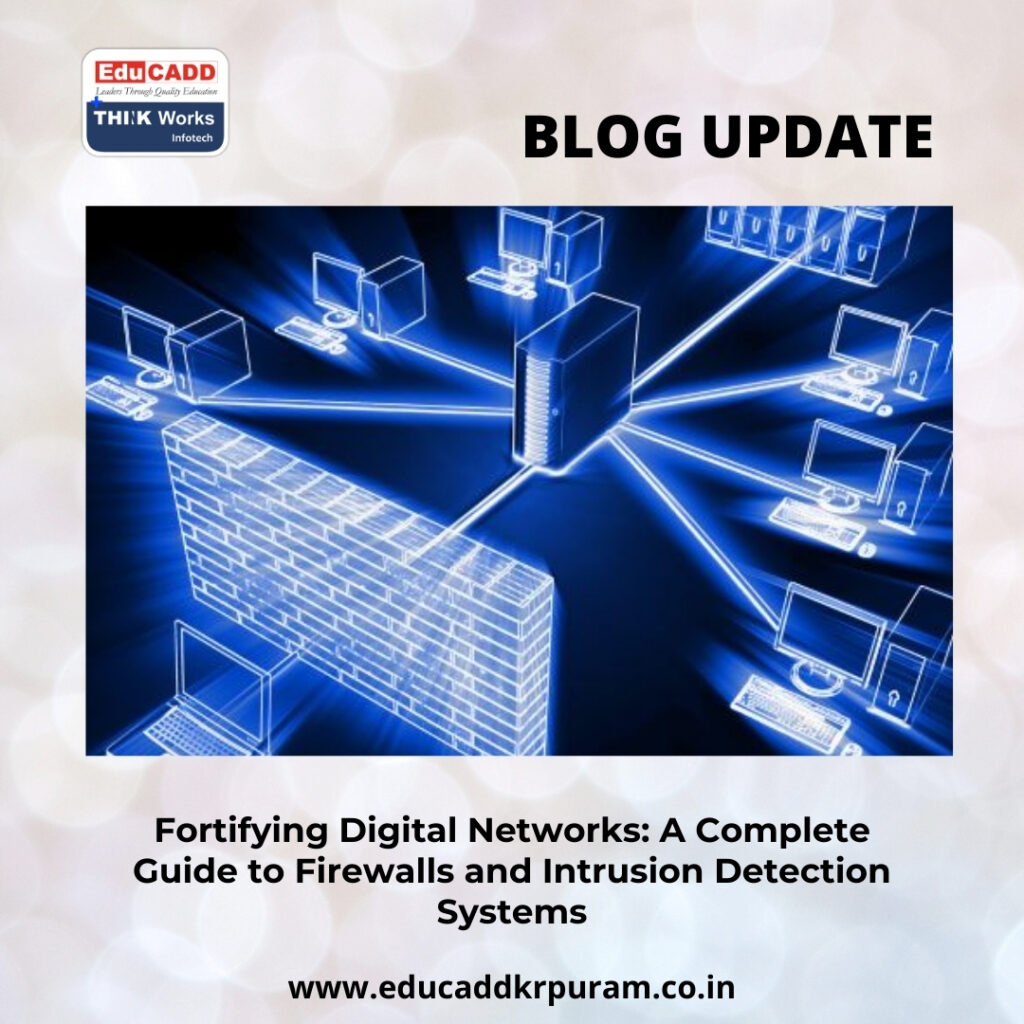
Firewall and Intrusion Security
Understanding how Firewall and Intrusion Security systems function is essential for organizations that want to strengthen their cybersecurity posture. These systems not only protect critical infrastructure but also help businesses detect potential threats before they cause serious damage.
The Increasing Importance of Network Security
As organizations become more dependent on digital systems, the importance of strong network security continues to grow. Modern enterprises operate through cloud platforms, remote work environments, and online communication systems that require reliable protection from cyberattacks. Without proper security measures, networks can become vulnerable to various types of cyber threats.
Cybercriminals use many different techniques to compromise networks. Malware infections, ransomware attacks, phishing scams, and data breaches are among the most common threats faced by organizations today. Attackers often exploit weak security controls, outdated systems, or poorly configured networks to gain access to sensitive information.
The consequences of such attacks can be severe. Businesses may experience financial losses, reputational damage, operational disruptions, and legal penalties. A single security breach can expose confidential customer data or intellectual property, leading to long-term consequences for the organization.
Because of these risks, companies must adopt proactive cybersecurity strategies. Firewalls and intrusion detection systems play a central role in these strategies by providing continuous monitoring and protection against unauthorized access attempts. Together, these tools help maintain the integrity, confidentiality, and availability of critical network resources.
Understanding the Role of Firewall and Intrusion Security
A firewall is a network security mechanism designed to control the flow of data between different networks. It acts as a security checkpoint that evaluates data packets traveling across a network and determines whether they should be allowed or blocked. By enforcing predefined security policies, a firewall prevents unauthorized users from accessing internal systems.
Every piece of information transmitted over the internet is broken into smaller units called data packets. These packets contain details about the sender, the destination, and the type of communication being transmitted. The firewall inspects this information and compares it with established rules that define acceptable network activity.
If the packet matches the permitted criteria, the firewall allows it to enter the network. However, if the packet violates security rules or appears suspicious, the firewall blocks it and may log the event for further analysis. This filtering process helps protect networks from malicious traffic and unauthorized access attempts.
Firewall and Intrusion Security serve as the first line of defense in many network security architectures. By acting as a barrier between trusted internal systems and untrusted external environments, they reduce the likelihood of cyberattacks reaching critical infrastructure.
Different Types of Firewalls Used in Cybersecurity
Firewalls have evolved over time to address the growing complexity of cyber threats. Several types of firewalls exist today, each offering different levels of protection and functionality.
Packet-filtering firewalls represent one of the earliest forms of firewall technology. These systems examine network packets based on specific attributes such as source address, destination address, protocol type, and port number. Although this method provides basic protection, it may not detect more sophisticated threats.
Stateful inspection firewalls improve upon this approach by monitoring the state of active network connections. Instead of evaluating packets individually, these firewalls track communication sessions and determine whether incoming packets belong to legitimate connections.
Proxy firewalls operate by acting as intermediaries between internal users and external servers. When a user requests information from the internet, the proxy firewall processes the request on behalf of the user. This method prevents direct communication between internal systems and external networks, providing an additional layer of security.
Next-generation firewalls integrate advanced capabilities such as deep packet inspection, application-level monitoring, and intrusion prevention. These modern firewalls provide comprehensive protection against complex cyber threats.
How Firewalls Safeguard Network Traffic
Firewalls protect networks by regulating the flow of information entering and leaving the system. They enforce strict security policies that determine which types of communication are allowed. By controlling network traffic, firewalls reduce the risk of unauthorized access and malicious activity.
Organizations often configure firewalls to block unnecessary services or restrict access to sensitive systems. For example, a company may allow internal employees to access specific servers while preventing external users from connecting to those resources. This level of control helps minimize potential attack surfaces.
Another important feature of firewalls is their ability to record network activity. Firewalls maintain detailed logs of connection attempts, blocked packets, and suspicious traffic patterns. Security administrators can analyze these logs to identify potential threats or unusual behavior within the network.
By continuously monitoring network traffic and enforcing security policies, firewalls play a crucial role in maintaining the overall safety of digital environments.
What Is an Intrusion Detection System
An intrusion detection system is a cybersecurity tool designed to monitor network activity and detect potential security threats. Unlike firewalls, which primarily control traffic flow, intrusion detection systems focus on identifying unusual or malicious behavior within a network.
These systems analyze data packets, user activities, and system logs to identify patterns associated with cyberattacks. When suspicious behavior is detected, the system generates alerts that notify security administrators about the possible threat.
Intrusion detection systems provide an additional layer of protection by identifying threats that may bypass traditional security controls. Even if malicious traffic manages to enter the network, these systems can still detect abnormal activity and trigger an investigation.
Because cyberattacks often occur silently within networks, intrusion detection systems are essential for identifying hidden threats and preventing long-term damage to digital infrastructure.
Types of Intrusion Detection Systems
Intrusion detection systems can be classified based on how they monitor network activity and where they operate within the infrastructure. The two primary categories are network-based intrusion detection systems and host-based intrusion detection systems.
Network-based intrusion detection systems monitor traffic traveling across the entire network. These systems are typically placed at strategic points within network infrastructure where they can analyze large volumes of data packets. By observing traffic patterns, they can identify suspicious communication between devices.
Host-based intrusion detection systems operate on individual computers or servers. These systems analyze system logs, application activity, and file changes to detect unauthorized behavior. Because they monitor specific devices, they provide detailed insights into potential security incidents.
Both approaches contribute to a comprehensive threat detection strategy by monitoring different aspects of network activity.
Methods Used by Intrusion Detection Systems to Identify Threats
Firewall and Intrusion Security systems use various analytical techniques to identify potential cyber threats. One widely used approach is signature-based detection. In this method, the system compares observed network activity against a database of known attack signatures. When a match is found, the system generates an alert indicating a possible attack.
Another approach is anomaly-based detection. Instead of relying on predefined signatures, this method identifies deviations from normal network behavior. The system first establishes a baseline of typical activity and then monitors for unusual patterns.
For example, if a user account suddenly attempts to access a large number of files or sends large amounts of data to an external server, the system may classify the activity as suspicious. Security teams can then investigate the event to determine whether it represents an actual attack.
These detection techniques help organizations identify threats quickly and respond effectively to potential security incidents.
Key Differences Between Firewalls and Intrusion Detection Systems
Although firewalls and intrusion detection systems both contribute to cybersecurity, they perform different functions within a network environment. Firewalls are designed primarily to prevent unauthorized access by filtering incoming and outgoing traffic based on defined rules.
Intrusion detection systems, on the other hand, focus on monitoring network activities and identifying suspicious behavior. Instead of blocking traffic automatically, they alert administrators when potential threats are detected.
Another important difference lies in their deployment locations. Firewalls are typically installed at network gateways where internal networks connect to external environments. Intrusion detection systems may operate at multiple points within the network to observe both internal and external traffic.
Together, these technologies create a layered security architecture that strengthens overall protection.
Integrating Firewalls and Intrusion Detection Systems
Organizations achieve stronger cybersecurity when they integrate firewalls and intrusion detection systems into a unified security framework. Each technology addresses different aspects of network protection, and their combined use creates multiple layers of defense.
For example, a firewall may prevent unauthorized traffic from entering the network. However, if an attacker manages to bypass the firewall, the intrusion detection system can still identify abnormal behavior and alert administrators.
Many modern security platforms allow these systems to work together automatically. When suspicious activity is detected, the intrusion detection system can trigger automated responses that block the attacker’s access through the firewall.
This integration improves threat detection capabilities and enables organizations to respond more quickly to cyber threats.
Benefits of Implementing Firewalls and Intrusion Detection Systems
Organizations that deploy firewalls and intrusion detection systems gain several important advantages in protecting their digital infrastructure. One of the primary benefits is enhanced network visibility. Administrators can monitor traffic patterns, identify unusual activities, and understand how systems interact within the network.
Another advantage is improved threat prevention. Firewalls block many attacks before they reach internal systems, while intrusion detection systems identify threats that may already exist within the network environment.
These technologies also support compliance with cybersecurity regulations and industry standards. Many regulatory frameworks require organizations to implement security controls that protect sensitive data.
Additionally, strong network security improves operational reliability. By preventing disruptions caused by cyberattacks, businesses can maintain consistent service delivery and protect their reputation.
Challenges in Managing Network Security Systems
Despite their effectiveness, firewalls and intrusion detection systems require careful configuration and management. Improper settings can reduce their effectiveness or cause disruptions in legitimate network operations.
One common challenge is the occurrence of false positives in intrusion detection systems. These alerts occur when normal network activities are mistakenly identified as suspicious behavior. Too many false alerts can overwhelm security teams and reduce the efficiency of monitoring processes.
Another challenge involves maintaining up-to-date security signatures and firewall rules. Cyber threats evolve constantly, and outdated security systems may fail to detect new attack methods.
Large organizations also face complexity when managing multiple networks, cloud environments, and remote access systems. Coordinating security policies across these environments requires skilled professionals and effective security management practices.
Best Practices for Effective Security Deployment
To maximize the effectiveness of firewalls and intrusion detection systems, organizations should follow several best practices. The first step involves establishing clear security policies that define access permissions and network rules.
Administrators should regularly review firewall configurations to ensure that only necessary services remain accessible. Closing unused ports and limiting access to critical systems can significantly reduce security risks.
Continuous monitoring is another important practice. Security teams should review alerts, analyze logs, and investigate unusual activities promptly to prevent potential threats from escalating.
Regular system updates and security patches are also essential. By keeping security tools updated, organizations ensure that their systems can detect newly discovered threats.
Finally, conducting periodic security assessments and penetration testing helps identify vulnerabilities and strengthen network defenses.
The Future of Cybersecurity Technologies
As cyber threats become more sophisticated, cybersecurity technologies continue to evolve. Emerging technologies such as artificial intelligence and machine learning are increasingly being integrated into security systems to enhance threat detection capabilities.
These technologies allow intrusion detection systems to analyze vast amounts of data and identify complex patterns associated with cyberattacks. Automated responses can also help organizations react quickly to security incidents.
Cloud computing and remote work environments are also shaping the future of network security. Many organizations now deploy cloud-based firewalls and monitoring systems to protect distributed networks.
As digital infrastructure continues to expand, advanced security technologies will play an even greater role in safeguarding networks from evolving cyber threats.
Conclusion
Firewall and Intrusion Security systems are essential components of modern cybersecurity strategies. Firewalls act as protective barriers that regulate network traffic and prevent unauthorized access to internal systems. Intrusion detection systems complement this protection by monitoring network activity and identifying suspicious behavior that may indicate cyber threats.
Together, these technologies create a layered defense system that significantly improves network security. By implementing firewalls and intrusion detection systems effectively, organizations can protect sensitive data, maintain operational stability, and reduce the risk of cyberattacks.
As the digital landscape continues to evolve, businesses must remain proactive in strengthening their cybersecurity infrastructure. Continuous monitoring, regular updates, and the adoption of advanced security technologies will ensure that networks remain secure in an increasingly connected world.

