
The Ultimate Blueprint for High-Converting Landing Pages That Skyrocket Campaign Results
In the digital marketing universe, High-Converting Landing Pages serve as the ultimate bridge between campaigns and conversions. They are not merely informational web pages but highly focused tools that can transform casual visitors into qualified leads or paying customers. A landing page’s design, content, and structure directly influence the success of email campaigns, paid ads, social media promotions, and organic traffic strategies. While a website homepage provides a broad overview of a brand, a landing page is purpose-built, guiding users toward one specific action—be it signing up, purchasing, or downloading resources. Businesses that master the art of landing page optimization gain a substantial edge over competitors, unlocking higher engagement, stronger lead generation, and increased return on investment.
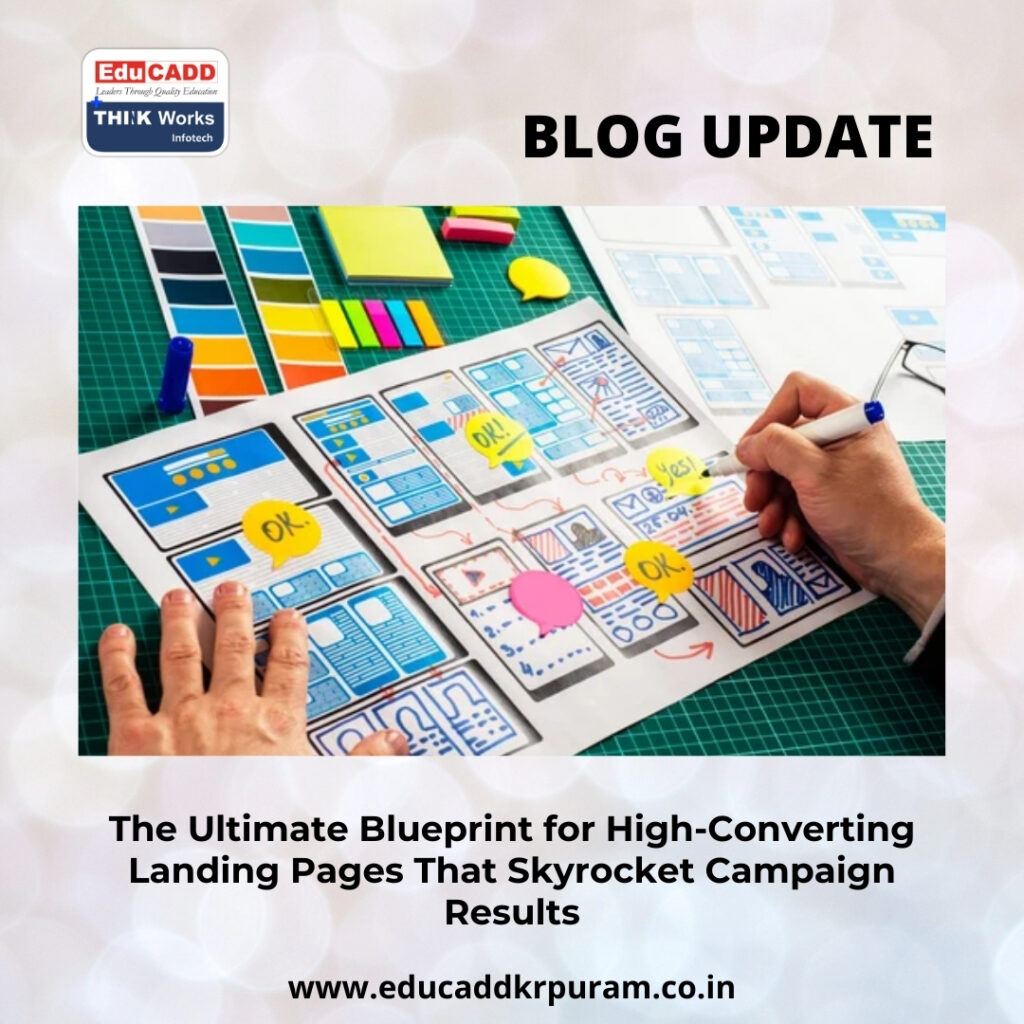
High-Converting Landing Pages
1. Understanding the Core Objective of Every Landing Page
The foundation of a successful landing page lies in clarity of purpose. Each element—headlines, images, copy, and CTAs—must converge on a single objective. A page designed for lead generation should focus exclusively on capturing user information, while a product-focused page must highlight features, benefits, and purchase options. Without a clearly defined goal, visitors often become confused or disengaged, resulting in missed opportunities. By pinpointing the primary objective and aligning all design and content elements accordingly, marketers ensure a smooth, intuitive journey from arrival to conversion, maximizing the effectiveness of every campaign.
2. Crafting Headlines That Immediately Captivate
The headline is the gateway to engagement. It must instantly grab attention and communicate a compelling value proposition. A weak or generic headline risks losing visitors within seconds. Strong landing page headlines are concise, benefits-driven, and action-oriented, immediately signaling the value users will gain. Pairing this with a subheadline allows marketers to provide additional context, bridging curiosity with clarity. For example, a headline like “Boost Your Email Marketing Results in 7 Days” instantly conveys a tangible benefit, prompting visitors to continue exploring the page for more details.
3. Writing Persuasive and Engaging Copy
Content on a landing page must do more than inform; it must convince. Each paragraph should guide readers toward completing the intended action, maintaining clarity and brevity without sacrificing detail. Highlighting benefits over features, using bullet points for scannability, and employing active voice creates persuasive copy that drives results. Overly technical jargon, long sentences, or convoluted explanations can alienate visitors. Instead, the copy should focus on how the product or service solves a problem, saves time, or improves the user’s life. Strategic word choice and a consistent tone reinforce trust and encourage conversions.
4. Designing a Visually Appealing Layout
Visual design plays a pivotal role in keeping visitors engaged. A clean, organized layout directs attention toward key elements, while excessive clutter can overwhelm and distract users. Effective landing pages utilize white space strategically, balancing text, images, and calls-to-action to create harmony. High-quality visuals—whether photos, illustrations, or icons—should enhance the message rather than dominate it. Color contrast, typography, and positioning of critical elements, like CTAs, contribute to a seamless visual flow that naturally guides visitors toward conversion.
5. Creating Call-to-Actions That Drive Immediate Action
The call-to-action is the linchpin of landing page success. It must stand out visually and clearly indicate the action the visitor should take. Use contrasting colors for buttons, compelling text like “Get Instant Access” or “Claim Your Free Trial,” and strategic placement above the fold as well as throughout the page. Effective CTAs often benefit from testing multiple versions to determine which phrasing, size, or placement yields the highest conversions. A well-crafted CTA eliminates hesitation, making it obvious and effortless for users to take action.
6. Establishing Trust Through Social Proof
Visitors are more likely to convert when they feel confident in your credibility. Social proof—including testimonials, reviews, ratings, case studies, and logos of recognized clients—helps validate claims and reassures potential customers. Authenticity is key: include real names, photographs, and measurable outcomes when possible. Social proof leverages human psychology, showing that others have benefited from the product or service. When integrated strategically with copy and visuals, it reduces hesitation and motivates action, ultimately boosting conversion rates.
7. Designing Lead Capture Forms for Maximum Engagement
Forms are critical for gathering leads but must be designed to minimize friction. Short, intuitive forms requesting only essential information increase submission rates. Labels should be clear, inline validation should guide users, and submit buttons must be visually prominent. Placement matters as well; forms should be visible without overwhelming the page. By streamlining the form-filling process and focusing on user convenience, landing pages can effectively capture valuable information while maintaining a positive user experience.
8. Utilizing Visual Hierarchy to Guide User Behavior
A deliberate visual hierarchy ensures that visitors process information in the intended order. Headlines, subheadings, bullet points, images, and CTAs should be structured so the eye naturally moves from one essential element to the next. Larger fonts, bold text, and contrasting colors can highlight priority content, while supporting elements guide users along the conversion path. A coherent visual hierarchy reduces cognitive load, keeps visitors focused, and increases the likelihood of completing the desired action.
9. Optimizing for Mobile Devices
With a growing number of users accessing websites via smartphones and tablets, mobile optimization is non-negotiable. Landing pages must be responsive, adapting seamlessly to various screen sizes. Buttons should remain tappable, forms should be easy to complete, and text must remain legible without zooming. Mobile-first design ensures that all visitors, regardless of device, can interact with the page smoothly. A frictionless mobile experience improves engagement, reduces bounce rates, and enhances overall conversion rates.
10. Enhancing Page Speed and Technical Performance
Page load speed has a direct impact on user engagement and conversion rates. Slow-loading pages frustrate visitors and increase the likelihood of abandonment. Optimize images, minimize scripts, leverage browser caching, and use reliable hosting to ensure fast load times. Tools like Google PageSpeed Insights provide actionable recommendations to improve performance. Fast-loading landing pages create a positive first impression, retain visitor attention, and support higher conversion rates.
11. Conducting A/B Testing for Continuous Improvement
Even the most refined High-Converting Landing Pages benefit from systematic testing. A/B testing allows marketers to compare different variations of headlines, CTAs, images, and layouts to determine which performs best. Insights from these tests guide data-driven optimization decisions, ensuring continuous improvement. Regular testing enables marketers to adapt to changing user behavior, refine messaging, and maximize the effectiveness of each landing page over time.
12. Tracking Analytics to Measure Success
Monitoring performance is critical to understanding a landing page’s effectiveness. Analytics tools, such as Google Analytics, heatmaps, or dedicated conversion tracking platforms, provide insights into user behavior, engagement, and conversion patterns. Metrics such as bounce rate, time on page, scroll depth, and form completions reveal what works and what needs adjustment. By analyzing data and making informed improvements, marketers can optimize landing pages to achieve superior results and higher ROI.
13. Aligning Landing Pages With Overall Campaign Strategy
Landing pages must reflect and reinforce the overarching marketing strategy. Consistency between traffic sources—ads, emails, social media posts—and the landing page ensures a seamless user experience. Discrepancies in messaging or offers can confuse visitors and lower conversion rates. By maintaining cohesive visuals, copy, and value propositions, marketers create a unified journey that builds trust, strengthens engagement, and guides users toward completing the desired action.
14. Leveraging Psychological Triggers to Boost Conversions
Understanding human psychology can significantly enhance landing page performance. Techniques such as scarcity, urgency, reciprocity, and social proof motivate users to act. Highlighting limited-time offers, emphasizing exclusive benefits, and showcasing testimonials or reviews create a sense of urgency and credibility. Emotional triggers, like fear of missing out or desire for reward, increase engagement and conversions. When combined with compelling design and persuasive copy, these principles can dramatically elevate the effectiveness of landing pages.
Conclusion
High-Converting Landing Pages are the backbone of effective digital campaigns. Every element—from headlines and copy to visuals, forms, and CTAs—must work in harmony to guide visitors toward a specific goal. Optimizing for speed, mobile experience, and user trust, while continually testing and analyzing performance, ensures long-term success. Businesses that master landing page design can turn casual website traffic into qualified leads, loyal customers, and measurable revenue. By following these strategies, marketers can create landing pages that not only attract attention but consistently drive results, making every campaign more profitable and impactful.

