
From Vision to Venture: Mastering Freelancing Opportunities in Interior Design for Long-Term Success
Interior design has evolved into a dynamic and opportunity-rich profession where creativity meets strategy. In recent years, traditional studio employment has gradually been replaced by flexible, independent work models. Designers now have the option to build their own client base, define their pricing structures, and shape their professional journeys without being tied to a single employer. This transformation has significantly increased Interior Design Freelancing Success, allowing skilled professionals to turn their artistic abilities into profitable ventures.
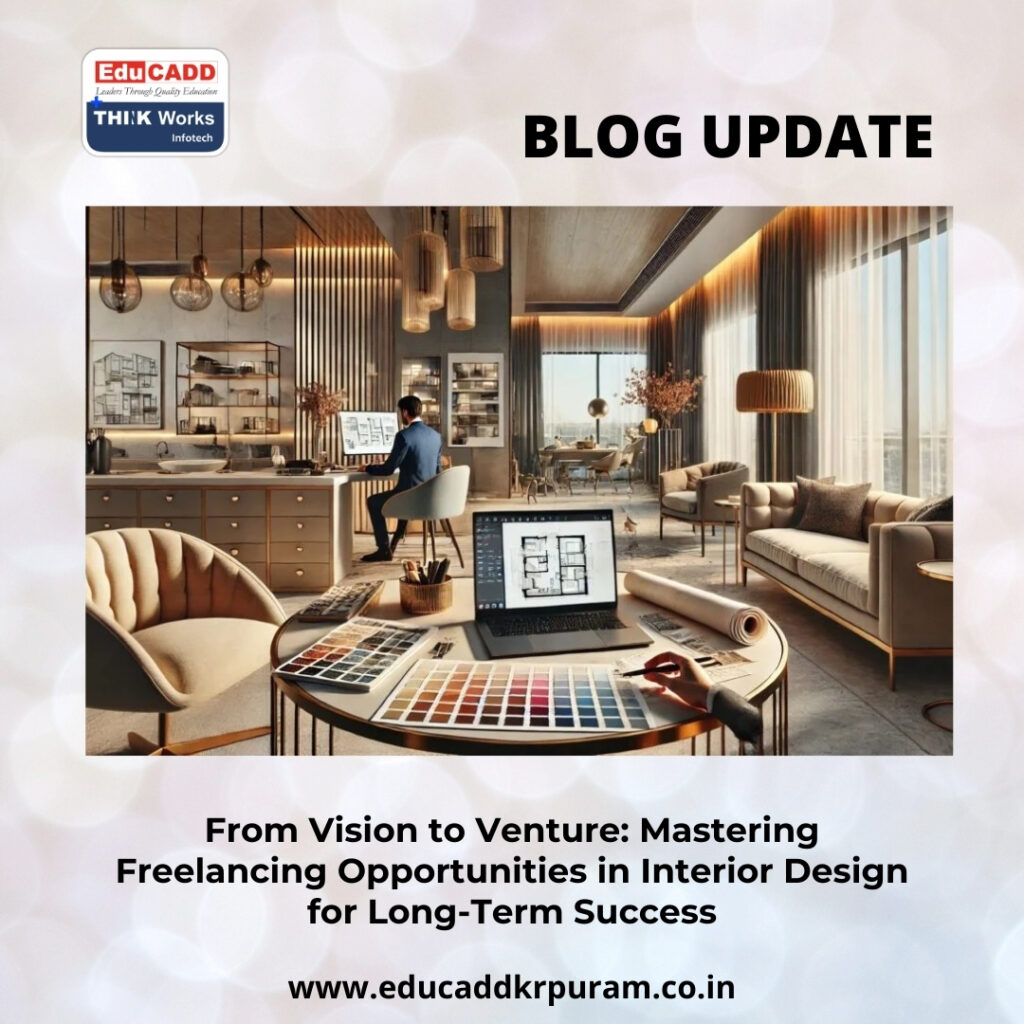
Interior Design Freelancing Success
The freelance path offers autonomy and creative freedom, yet it also requires discipline, planning, and adaptability. Designers must manage not only aesthetics and functionality but also marketing, finances, and client relationships. While the journey may appear challenging at first, those who approach it with preparation and clarity often achieve both financial stability and professional satisfaction. This comprehensive guide explores how to build a successful freelance interior design career, covering essential skills, niche selection, branding, client acquisition, pricing strategies, operational efficiency, and future growth prospects.
1. The Expanding Market for Independent Interior Designers
The global demand for well-designed spaces continues to grow steadily. Residential clients seek functional homes that reflect their personalities. Businesses prioritize workspace design to boost productivity and strengthen brand identity. Hospitality and retail industries invest heavily in interiors to create memorable experiences. These evolving expectations have fueled freelancing opportunities in interior design across multiple sectors.
Technology has played a crucial role in this expansion. Virtual meetings, cloud-based design tools, and digital presentations have eliminated geographic barriers. Designers can now collaborate with clients in different cities or countries without maintaining a physical office in each location. Additionally, many startups and small enterprises prefer hiring freelance professionals due to flexibility and cost-effectiveness. Independent designers often provide personalized attention and faster project turnaround compared to larger firms. As a result, freelancing has become a mainstream and respected career path within the interior design industry.
2. Building a Strong Skill Foundation
Success in freelancing demands more than artistic talent. While creativity remains central, professionals must also develop technical, managerial, and communication skills to capitalize on Interior Design Freelancing Success.
A strong understanding of space planning, color coordination, lighting design, and furniture arrangement forms the core of effective design practice. Designers must create spaces that are not only visually appealing but also comfortable and practical. Knowledge of materials, sustainability principles, and construction basics further enhances professional credibility.
Technical proficiency in design software significantly improves presentation quality. Tools such as CAD platforms, 3D modeling applications, and rendering software enable clients to visualize final outcomes clearly. In addition, excellent communication skills ensure smooth interactions with clients, vendors, and contractors. Freelancers must articulate ideas confidently, manage expectations, and resolve issues efficiently. By strengthening both creative and operational skills, designers establish a solid foundation for independent success.
3. Identifying Profitable Specializations
One of the smartest ways to grow is through specialization. Rather than attempting to serve every market segment, successful freelancers often focus on specific niches. This strategic positioning enhances visibility and attracts targeted clients, thereby increasing freelancing opportunities in interior design.
Residential interior design remains highly popular, particularly in urban areas where space optimization is crucial. Designers help homeowners maximize functionality while maintaining aesthetic appeal. Commercial interior design, including offices and coworking spaces, offers consistent opportunities due to corporate expansion and modernization efforts.
Hospitality design presents exciting prospects for creative professionals. Restaurants, cafés, and boutique hotels require distinctive themes to stand out in competitive markets. Additionally, sustainable and eco-friendly design has gained momentum as environmental awareness grows. Designers who specialize in green materials and energy-efficient layouts can command premium fees. Virtual design services have also emerged as a powerful niche, allowing professionals to deliver remote consultations and digital packages without on-site visits.
4. Preparing Strategically Before Launching
Entering the freelance market without preparation can create unnecessary obstacles. Therefore, designers should invest time in building a structured launch plan before fully committing to Interior Design Freelancing Success.
Developing a compelling portfolio is the first essential step. Include high-quality photographs, detailed project descriptions, mood boards, and 3D renderings. If real-world projects are limited, conceptual case studies can effectively demonstrate capability.
Clearly define service offerings. Whether you provide consultation-only packages, full-service design solutions, or remote styling assistance, transparency simplifies client decisions. Conduct market research to establish competitive yet profitable pricing structures. Avoid underpricing, as it may reduce perceived value.
Legal preparation is equally important. Draft professional contracts outlining scope, timelines, and payment terms. Register your business if required and separate personal finances from business accounts. Structured preparation enhances credibility and minimizes risks.
5. Developing a Consistent Client Acquisition Strategy
Sustained growth depends on consistent client inflow. Designers must actively pursue freelancing opportunities in interior design rather than waiting for referrals alone.
A professional website serves as a digital portfolio and credibility booster. Include testimonials, service descriptions, and a contact form. Optimize the website for search engines to attract organic traffic.
Social media platforms provide powerful marketing channels. Sharing project transformations, behind-the-scenes processes, and educational content builds trust and engagement. Regular posting increases visibility and strengthens brand identity.
Networking remains highly effective. Collaborating with architects, real estate developers, contractors, and furniture suppliers often leads to steady referrals. Additionally, participating in industry events expands professional connections. A diversified marketing strategy ensures continuous lead generation.
6. Establishing Profitable Pricing Structures
Financial sustainability depends on strategic pricing. Many new freelancers struggle with undervaluation, which limits income potential. However, well-structured pricing maximizes Interior Design Freelancing Success.
Hourly pricing works well for consultations and small tasks. Flat-fee packages provide clarity for defined project scopes. Percentage-based pricing is suitable for large-scale renovations, where fees align with total project cost.
Value-based pricing often yields the highest returns. Instead of charging solely for time spent, designers calculate fees based on transformation impact and client benefit. This method reflects professional expertise rather than labor hours alone.
Tracking expenses and setting income goals help maintain financial clarity. Regular evaluation ensures profitability and long-term stability.
7. Creating a Powerful Personal Brand
In a competitive market, branding distinguishes successful freelancers from average practitioners. A strong identity enhances freelancing opportunities in interior design by attracting ideal clients.
Define a clear design philosophy. Whether your style is minimalist, contemporary, eclectic, or luxurious, consistency strengthens recognition. Invest in professional photography to showcase projects effectively.
Craft a compelling brand narrative that communicates passion, experience, and vision. Clients often choose designers whose stories resonate with them. Maintain uniform visual elements across websites, social media, and promotional materials. Cohesive branding fosters trust and builds long-term loyalty.
8. Delivering Exceptional Client Experiences
Client satisfaction drives repeat business and referrals. Freelancing opportunities in interior design multiply when designers prioritize experience alongside results.
Start every project with an in-depth consultation. Understand the client’s lifestyle, preferences, and budget limitations. Provide structured timelines and transparent cost estimates.
Maintain consistent communication throughout the project lifecycle. Share progress updates and address concerns promptly. Handle revisions professionally while protecting project scope through clear agreements.
After completion, request testimonials and document the project for portfolio enhancement. Positive experiences strengthen professional reputation and attract new opportunities.
9. Leveraging Technology to Enhance Efficiency
Technology significantly improves workflow and competitiveness. Designers who adopt digital tools unlock broader freelancing opportunities in interior design.
3D visualization software enables immersive presentations, helping clients make informed decisions quickly. Virtual reality walkthroughs further enhance engagement.
Project management platforms streamline task tracking and deadline management. Online payment systems simplify invoicing and accelerate cash flow. Cloud storage ensures secure file access and collaboration.
By integrating these tools effectively, freelancers reduce administrative burdens and focus more on creativity.
10. Managing Time and Avoiding Burnout
Freelancers juggle multiple roles simultaneously. Without structured routines, productivity declines and stress increases. Therefore, effective time management supports sustainable freelancing opportunities in interior design.
Create daily schedules that balance design work, marketing efforts, and administrative tasks. Prioritize high-value projects and set realistic deadlines. Avoid overcommitting, as excessive workload may compromise quality.
Take regular breaks to maintain creativity and mental clarity. A healthy work-life balance enhances long-term performance and prevents burnout.
11. Diversifying Income Streams for Stability
Relying solely on project-based income may create fluctuations. Diversification strengthens financial security and expands freelancing opportunities in interior design.
Offer online design courses or mentorship programs. Develop digital resources such as layout templates or styling guides. Provide property staging services for real estate professionals.
Collaborate with furniture or décor brands for partnerships. Curate product collections and earn commissions. These additional streams enhance profitability while reinforcing brand authority.
12. Scaling Your Freelance Practice
As demand grows, freelancers may choose to expand operations. Scaling transforms individual practice into a structured enterprise while preserving freelancing opportunities in interior design.
Outsource drafting or visualization tasks to assistants. Hire junior designers to manage increased workload. Automate repetitive processes such as invoicing and scheduling.
Focus on high-value clients and premium projects rather than pursuing excessive volume. Strategic scaling increases revenue while maintaining service quality.
13. Protecting Your Business Legally and Financially
Professional safeguards ensure long-term stability. Clear contracts, organized financial records, and proper tax compliance protect freelancing opportunities in interior design.
Outline deliverables, payment milestones, and revision policies in written agreements. Maintain separate business accounts to simplify accounting. Consider professional insurance coverage to mitigate risks.
Strong administrative systems reduce disputes and strengthen professional credibility.
14. Preparing for the Future of Interior Design Freelancing
The industry continues evolving rapidly. Smart home integration, multifunctional spaces, and sustainability remain dominant trends. Remote consultations have become standard practice. Virtual presentations enhance global collaboration.
Designers who stay updated with industry innovations remain competitive. Continuous learning, certification programs, and trend analysis ensure long-term relevance. As lifestyle needs change and technology advances, freelancing opportunities in interior design will continue expanding.
Conclusion
Interior Design Freelancing Success offers independence, creativity, and significant earning potential. However, lasting success requires preparation, strategic marketing, strong branding, and disciplined management. Designers who combine artistic vision with business intelligence build resilient and profitable practices.
Although challenges such as competition and income variability may arise, proactive planning minimizes risks. By leveraging technology, diversifying income streams, and maintaining exceptional client relationships, freelance interior designers can transform passion into a thriving enterprise. As global demand for personalized and functional spaces continues to rise, freelancing opportunities in interior design will remain one of the most promising career pathways in the creative economy.

