
Crafting an Unforgettable Interior Design Portfolio – Showcase Your Creativity with Style
In interior design, skills and creativity are crucial, but the way you present your work often determines your career trajectory. A Interior Design Portfolio Tips is not just a collection of images; it’s a visual story that represents your design philosophy, technical expertise, and artistic vision. It communicates to clients, employers, and collaborators who you are as a designer and what you can accomplish.
A compelling interior design portfolio builds credibility, establishes professionalism, and highlights your unique perspective. It allows potential clients and employers to understand your approach, see your problem-solving skills in action, and envision the spaces you can create. Whether you are an emerging designer, a student, or a seasoned professional, a thoughtfully curated portfolio is one of your most powerful tools.
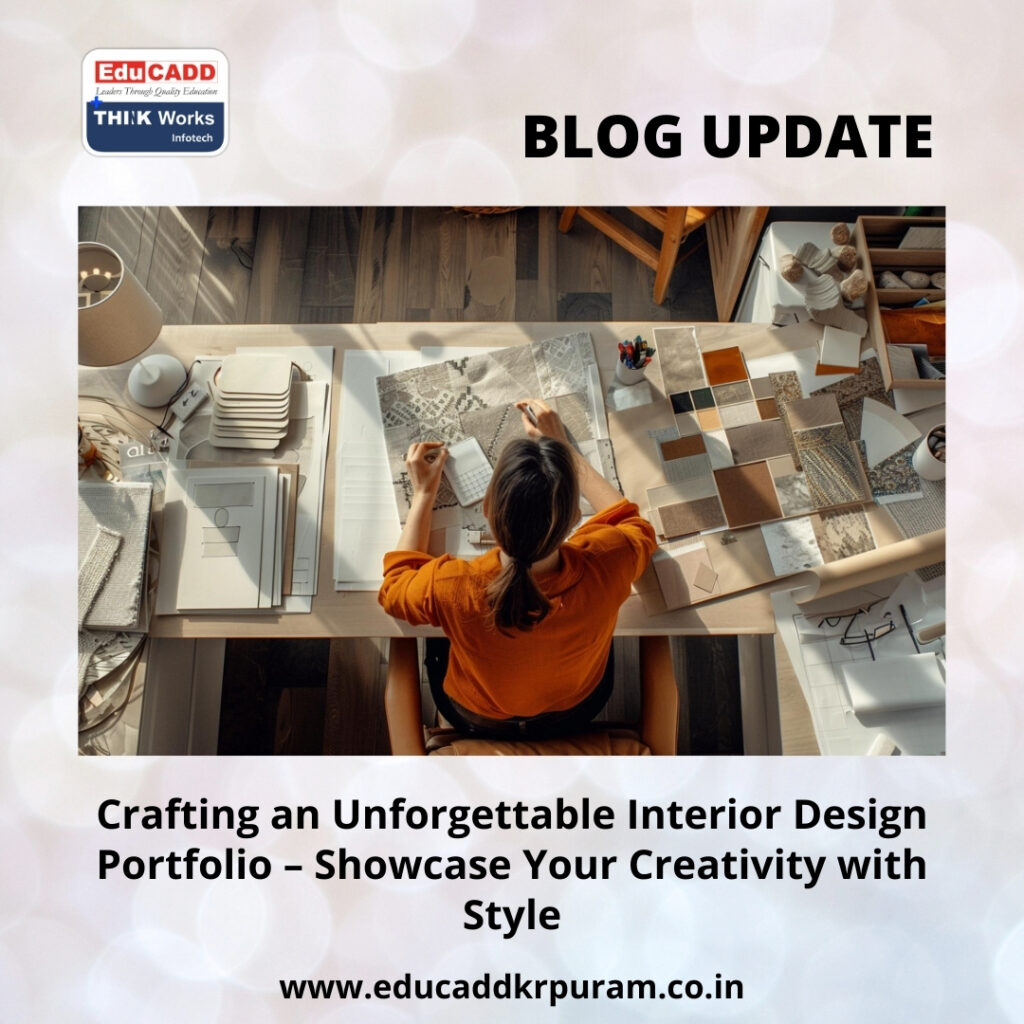
Interior Design Portfolio Tips
This blog will guide you through the step-by-step process of building an exceptional Interior Design Portfolio Tips, including project selection, presentation strategies, digital and physical formats, and storytelling techniques to make your work stand out in a competitive industry.
The Purpose Behind Every Interior Design Portfolio
Before assembling a portfolio, it’s crucial to define its purpose. An interior design portfolio is more than a gallery of completed spaces; it is a reflection of your design thinking, creativity, and problem-solving skills. It should communicate clearly how you conceptualize, plan, and execute a project from start to finish.
A well-crafted portfolio highlights not only your aesthetic sense but also your ability to deliver functional and innovative solutions. It acts as a bridge between you and your audience, allowing potential clients and employers to visualize your capabilities without needing lengthy explanations. Your portfolio is essentially your professional voice in the design world.
Choosing Projects That Reflect Your Strengths
The selection of projects is one of the most critical steps in portfolio building. Quality always outweighs quantity, so it’s better to showcase a few projects in depth than many projects superficially. Choose work that demonstrates your expertise, creativity, and versatility.
Residential, commercial, hospitality, or office projects can all be included, but ensure that the work aligns with your career objectives. Including a mix of real client projects and conceptual designs can highlight both your practical experience and creative imagination. Each project should reinforce your personal design style and professional identity.
Even small projects, academic assignments, or redesign concepts can be valuable if presented thoughtfully. The key is to select work that tells a clear story about your abilities and approach.
Structuring Your Portfolio for Maximum Impact
Organization is essential to make your portfolio accessible and professional. A clear structure ensures that viewers can easily follow your design journey. Begin with a personal introduction or profile, detailing your background, skills, and design philosophy. This helps establish a connection before presenting your projects.
Each project should include the scope, location, project type, your role, and a narrative explaining the design concept and problem-solving approach. Follow this with visuals that showcase your work, such as photographs, renders, or sketches. A well-organized portfolio demonstrates professionalism, attention to detail, and effective communication skills.
Visual Presentation: Making Your Work Shine
Interior design is inherently visual, making high-quality imagery critical. Each image should clearly highlight the spatial layout, material choices, lighting, and furniture arrangements. Avoid cluttered images and ensure consistency in lighting and perspective.
Consistency extends beyond images to typography, layout, and color schemes. A cohesive design enhances readability and creates a polished look. High-quality visuals signal your professionalism and attention to detail, instantly elevating the perception of your work.
Storytelling Through Your Projects
Your portfolio should do more than display finished spaces—it should tell a story. Storytelling is a powerful way to demonstrate your thought process, creativity, and problem-solving skills. For each project, describe the client brief, challenges, and the design solutions you implemented.
Incorporate sketches, mood boards, concept diagrams, and material palettes to show how ideas developed into the final design. This narrative approach allows viewers to understand your creative journey and makes your work memorable. A strong story can often be more persuasive than visuals alone.
Demonstrating Technical Competence
While creativity is important, technical proficiency is equally essential in interior design. Your portfolio should highlight your knowledge of space planning, ergonomics, materials, lighting, and construction processes.
Include technical drawings such as floor plans, elevations, and sections. Mention software skills like AutoCAD, Revit, SketchUp, or 3ds Max where appropriate. This shows that you can combine creativity with practical implementation, a key factor in earning client and employer trust.
Leveraging Digital Portfolios
Digital portfolios have become essential in today’s interconnected world. They increase accessibility, are easy to share, and allow for dynamic presentation formats. A digital portfolio can be hosted on your personal website, portfolio platforms, or shared as a professional PDF.
Online portfolios can include interactive elements like slideshows, animations, or virtual walkthroughs. They are also easy to update and tailor for different audiences. Having a digital portfolio ensures your work reaches a wider audience and provides a professional, modern touch.
Building a Portfolio as a Student or Beginner
Students and beginners often struggle with limited professional experience. However, portfolio building is still possible using academic projects, competitions, and personal conceptual designs. These can effectively demonstrate creativity, research skills, and design thinking.
Focus on presenting your ideas clearly, showing the evolution from concept to execution. Include sketches, renderings, and explanations of your thought process. Even speculative projects or personal redesigns can strengthen a portfolio if presented professionally, showcasing initiative and passion.
Customizing Your Portfolio for Different Audiences
Not all viewers have the same expectations. Tailoring your portfolio for specific clients, employers, or projects can increase its effectiveness. For design firms, emphasize collaboration, project execution, and technical expertise. For freelance clients, highlight completed projects, budgets, and results.
Having multiple versions of your portfolio allows you to address the unique interests of each audience. This strategic approach demonstrates professionalism, adaptability, and foresight in positioning yourself effectively in the market.
Avoiding Common Portfolio Mistakes
Several common mistakes can undermine an interior design portfolio. Including too many projects can overwhelm viewers, while low-quality images or inconsistent layouts can reduce credibility. Failing to explain your role, challenges, or design solutions can leave your audience confused about your skills.
Portfolio building in interior design requires careful attention to detail, clarity, and cohesion. Take the time to review and refine your work to ensure every element supports your professional narrative.
Marketing and Promoting Your Portfolio
A portfolio is not just a static document—it’s a marketing tool. Share it through social media, professional networking platforms, and during client meetings. Include links in your email signature and professional profiles to ensure maximum visibility.
By promoting your portfolio actively, you attract opportunities and establish your reputation. A strong portfolio encourages engagement, inquiries, and collaborations, making it a dynamic tool in advancing your career.
Keeping Your Portfolio Updated and Relevant
Your portfolio should evolve alongside your skills. Regular updates ensure it remains current, reflective of your latest work, and aligned with industry trends. Replace older projects with stronger ones, improve visuals, and refine narratives as your expertise grows.
Portfolio building in interior design is a continuous process. A living portfolio demonstrates your commitment to growth and keeps your professional image fresh and competitive.
Conclusion
A thoughtfully designed Interior Design Portfolio Tips is a powerful tool for career development. It communicates your creativity, technical expertise, and professional approach. By carefully selecting projects, structuring content effectively, telling compelling stories, and maintaining high-quality visuals, your portfolio becomes an authentic reflection of your design identity.
Whether you are starting your career or advancing to higher levels, your portfolio is your voice in the interior design world. It opens doors, builds credibility, and sets you apart from the competition. Investing time and effort into creating and maintaining a strong portfolio will yield long-term benefits in recognition, opportunities, and professional success.

