
Master Low Voltage Layouts and Power Distribution Training: A Complete Guide for Aspiring Electrical Professionals
In the rapidly advancing world of electrical engineering, low voltage layouts and power distribution training has become essential for anyone aiming to excel in design, installation, and maintenance of modern electrical systems. Understanding these concepts not only ensures safe and efficient power usage but also equips professionals with skills highly sought after in residential, commercial, and industrial projects. This comprehensive guide will explore everything you need to know about low voltage systems, power distribution techniques, and how structured training can elevate your career.
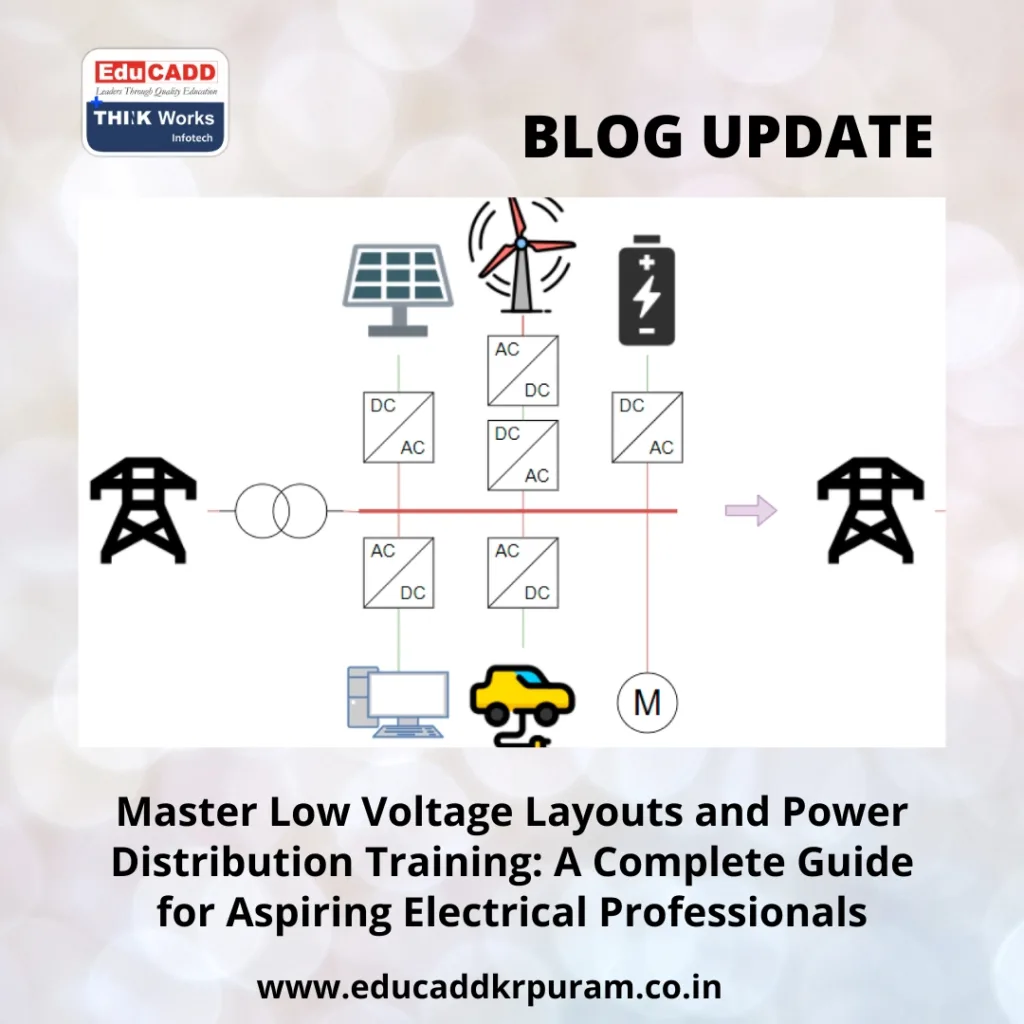
Low Voltage Power Training
Understanding Low Voltage Systems: Basics and Importance
Low voltage systems refer to electrical circuits operating at lower voltages than standard power systems, usually under 1000V for alternating current (AC) and 1500V for direct current (DC). These systems include lighting circuits, communication networks, security systems, fire alarms, and building automation systems.
The demand for skilled professionals in low voltage layout design has surged due to increasing reliance on automation and energy-efficient solutions. Efficient low voltage layouts and power distribution training allows engineers and technicians to:
-
Minimize power losses and improve efficiency.
-
Ensure compliance with electrical safety standards.
-
Implement sustainable and energy-efficient solutions.
-
Integrate modern technologies, such as smart building systems.
For beginners, training provides hands-on exposure to layout drafting, circuit planning, and load calculations, enabling practical knowledge alongside theoretical concepts. Furthermore, understanding low voltage systems helps prevent common hazards like overloading, short circuits, and equipment failure.
Key Components of Low Voltage Layouts
A well-designed low voltage layout ensures reliability, safety, and operational efficiency. The training focuses on the following critical components:
1. Circuit Planning and Design
Circuit planning involves creating a blueprint that specifies electrical connections, device locations, and wiring routes. Proper planning reduces installation costs, avoids interference between devices, and ensures optimal energy distribution. Low voltage layouts and power distribution training emphasize practical exercises using CAD software and schematic diagrams.
2. Distribution Boards
Distribution boards, also known as panel boards, divide electrical power into smaller circuits while providing protective mechanisms like fuses and circuit breakers. Training introduces participants to different types of boards, including main, sub, and distribution panels, along with their design considerations.
3. Cabling Systems
Choosing the right cabling system is crucial for safety and efficiency. Low voltage training covers cable sizing, routing, insulation types, and standards compliance. This knowledge prevents voltage drops, overheating, and electromagnetic interference, ensuring a seamless distribution network.
4. Protective Devices
Circuit breakers, fuses, and surge protection devices safeguard electrical systems. Through training, learners understand their selection, placement, and maintenance to protect both equipment and personnel.
5. Load Management
Understanding load calculation, distribution, and balancing is vital. Effective low voltage layouts and power distribution training equips trainees with techniques to prevent overloading, reduce energy wastage, and optimize performance.
Power Distribution: Strategies and Techniques
Power distribution is the process of delivering electricity from sources to end-users efficiently and safely. Training focuses on modern strategies that ensure reliability, scalability, and cost-effectiveness.
1. Star and Ring Distribution Systems
The star system distributes electricity from a central point to multiple endpoints, providing straightforward fault isolation. The ring system forms a loop, enhancing reliability and reducing voltage drops. Training includes practical exercises for selecting the appropriate system for residential, commercial, and industrial projects.
2. Load Segregation and Circuit Zoning
Segregating loads into different zones minimizes the impact of faults on the entire system. Trainees learn to categorize circuits based on usage, capacity, and criticality, enhancing safety and efficiency.
3. Earthing and Grounding Techniques
Proper earthing is essential to prevent electrical shocks and equipment damage. Training emphasizes earthing methods, standards compliance, and inspection procedures to ensure robust protection.
4. Smart Power Distribution
Modern distribution systems integrate energy management, monitoring, and automation solutions. Training covers the use of sensors, IoT devices, and software tools for predictive maintenance, fault detection, and load optimization.
5. Standards and Regulations
Compliance with national and international standards is mandatory. Through structured low voltage layouts and power distribution training, learners understand codes such as IEC, NEC, and IS, ensuring safe and lawful installations.
Advantages of Professional Low Voltage Training
Investing in low voltage layouts and power distribution training offers numerous benefits for aspiring professionals and organizations alike.
1. Practical Skill Development
Training provides hands-on experience with layout drafting, panel design, and cabling techniques, bridging the gap between theory and real-world applications.
2. Career Advancement
Electrical engineers and technicians with certified training are preferred for high-responsibility roles in construction, automation, and power distribution sectors.
3. Safety and Compliance
Well-trained professionals implement electrical systems that meet safety standards, reducing accidents, downtime, and liability.
4. Energy Efficiency
Training teaches methods to minimize power loss, optimize load management, and design sustainable systems that conserve energy.
5. Problem-Solving and Troubleshooting
Participants gain skills to diagnose faults, optimize layouts, and maintain distribution networks effectively, ensuring uninterrupted power supply.
Choosing the Right Training Program
Selecting a high-quality low voltage layouts and power distribution training program is crucial. Key factors to consider include:
1. Curriculum and Course Content
Ensure the course covers fundamentals, advanced techniques, CAD design, panel design, cabling, protective devices, load management, earthing, and smart distribution systems.
2. Practical Exposure
Hands-on sessions with real equipment, simulation tools, and site visits enhance understanding and readiness for professional work.
3. Trainer Expertise
Experienced trainers with industry knowledge provide valuable insights, practical tips, and mentorship for career growth.
4. Certification
Accredited certifications add credibility to your profile, boosting employability in competitive job markets.
5. Post-Training Support
Programs offering placement assistance, project guidance, and online resources help learners transition seamlessly from training to professional roles.
Real-World Applications of Low Voltage Layouts
Professionals trained in low voltage layouts and power distribution find opportunities across various sectors:
-
Residential Projects: Efficient lighting, smart home automation, security, and fire alarm systems.
-
Commercial Buildings: Power distribution for offices, malls, hospitals, and hotels.
-
Industrial Facilities: Machinery power supply, control panels, and automation systems.
-
Infrastructure Projects: Airports, railway stations, and data centers requiring reliable low voltage solutions.
-
Renewable Energy Systems: Integration with solar, wind, and hybrid energy sources for sustainable power management.
Through training, engineers and technicians can design, implement, and maintain systems that enhance operational efficiency and safety in these environments.
Future Trends in Low Voltage and Power Distribution
The field of low voltage layouts and power distribution is evolving rapidly. Professionals must stay updated with emerging technologies and industry trends:
-
IoT Integration: Smart devices and sensors enhance monitoring, predictive maintenance, and automation.
-
Energy Storage Solutions: Batteries and backup systems improve reliability and load management.
-
Green Buildings: Energy-efficient lighting, HVAC systems, and renewable energy integration are becoming standard requirements.
-
Digital Twin Technology: Simulation and modeling of electrical networks allow better planning, fault detection, and optimization.
-
Advanced Safety Protocols: Standards continue to evolve, emphasizing risk reduction, cybersecurity, and system reliability.
Investing in advanced low voltage layouts and power distribution training ensures professionals remain competitive and future-ready.
Conclusion: Unlock Your Electrical Engineering Potential
In today’s fast-paced electrical industry, mastering low voltage systems and power distribution is a strategic career move. Comprehensive low voltage layouts and power distribution training equips professionals with the technical knowledge, practical skills, and confidence needed to design, implement, and maintain safe and efficient electrical networks.
Whether your goal is to enhance your employability, lead large-scale projects, or specialize in smart building systems, structured training provides the foundation for long-term success. Start your journey today and become an expert capable of tackling complex electrical challenges with precision and efficiency.

