
Beyond Follow-Ups: Intelligent Marketing Automation Workflows That Build High-Converting Lead Journeys
In an era where customers are constantly exposed to digital content, capturing attention is no longer the biggest hurdle—maintaining meaningful engagement is. Businesses often struggle to convert initial interest into lasting relationships because leads require time, trust, and consistent value before making a decision. This is where marketing automation workflows become essential. They enable brands to create structured, data-driven communication paths that guide potential customers from curiosity to commitment. Instead of relying on scattered efforts, organizations can deliver the right message at the right moment with precision. As expectations continue to rise, businesses that invest in Marketing Automation Lead Journeys are better positioned to nurture leads effectively, strengthen relationships, and ultimately drive consistent revenue growth.
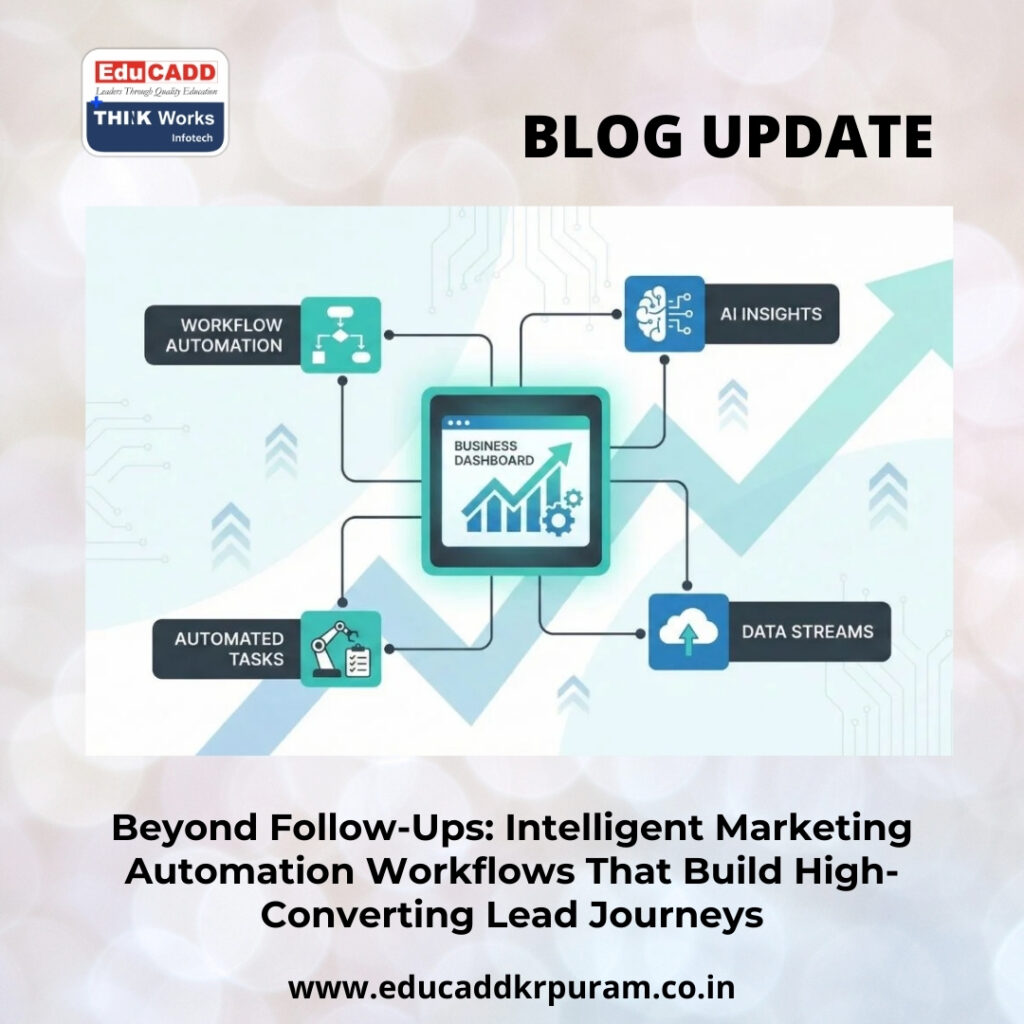
Marketing Automation Lead Journeys
Defining Marketing Automation Workflows in Practical Terms
Marketing Automation Lead Journeys workflows are systematic sequences of actions that are triggered by specific user behaviors or predefined conditions. These workflows operate automatically, allowing businesses to communicate with leads in a timely and relevant manner without manual intervention. Instead of sending one-size-fits-all messages, workflows adapt based on how users interact with a brand.
For example, when a visitor fills out a form, the workflow can immediately send a welcome message, followed by a series of educational emails. If the user engages with certain content, the workflow can adjust accordingly, delivering more relevant information. This dynamic approach ensures that communication feels personalized rather than generic.
Moreover, these workflows extend beyond email. They can include SMS alerts, push notifications, and even retargeting ads. By integrating multiple channels, businesses can create a cohesive and engaging experience that keeps leads connected throughout their journey.
Why Lead Nurturing Has Become a Strategic Necessity
Lead nurturing is no longer just an optional marketing tactic; it is a strategic necessity. Most prospects do not make purchasing decisions immediately. They need time to evaluate options, understand value, and build trust with a brand.
When businesses invest in nurturing, they create opportunities to educate and guide potential customers. This process helps prospects move through the decision-making journey more confidently. As a result, conversion rates improve significantly.
Additionally, nurturing ensures consistent brand visibility. In competitive markets, staying top-of-mind is crucial. Regular, meaningful interactions keep your brand relevant and increase the likelihood of conversion when the prospect is ready to act.
Without proper nurturing, even high-quality leads can lose interest. Therefore, a structured approach is essential for maximizing the value of every lead.
Core Building Blocks of Effective Workflows
A high-performing marketing automation workflow is built on several essential components that work together seamlessly. First, clear objectives must be established. Whether the goal is to generate sales, improve engagement, or increase retention, defining the purpose ensures better alignment.
Audience segmentation is another critical element. By dividing leads into specific groups, businesses can tailor their messaging more effectively. This improves relevance and enhances engagement.
Content mapping is equally important. Each stage of the buyer journey requires different types of content. Informative content works best in the early stages, while persuasive content becomes more effective as leads move closer to conversion.
Finally, triggers and conditions drive the workflow. These include user actions such as clicks, downloads, or inactivity. When these triggers are set correctly, workflows become responsive and highly effective.
Understanding Different Workflow Categories
Marketing Automation Lead Journeys come in various forms, each designed to address specific goals. Welcome workflows are typically the first interaction with new leads. They introduce the brand and establish a foundation for future communication.
Lead nurturing workflows focus on building relationships over time. These workflows provide consistent value and guide prospects through the buyer journey. Re-engagement workflows target inactive users, encouraging them to reconnect with the brand.
Post-purchase workflows play a crucial role in customer retention. They provide support, gather feedback, and promote repeat purchases. Each type of workflow serves a unique purpose, but together they create a comprehensive marketing ecosystem.
By understanding these categories, businesses can design strategies that address every stage of the customer lifecycle.
Crafting a Strong Lead Nurturing Strategy
Developing an effective lead nurturing strategy requires a deep understanding of the target audience. Businesses must analyze customer behavior, identify pain points, and map out the buyer journey carefully.
Once the audience is understood, content creation becomes the focus. Content should provide value at every stage, helping prospects make informed decisions. Educational blogs, case studies, and webinars are particularly effective in building trust.
Timing also plays a significant role. Sending messages too frequently can overwhelm leads, while infrequent communication may result in lost interest. Striking the right balance ensures consistent engagement.
Personalization further enhances the strategy. By tailoring messages to individual preferences, businesses can create more meaningful interactions that drive better results.
The Impact of Segmentation on Campaign Performance
Segmentation is a powerful tool that enhances the effectiveness of marketing automation workflows. It allows businesses to group leads based on shared characteristics such as behavior, demographics, or engagement levels.
When segmentation is implemented effectively, communication becomes more relevant. Leads are more likely to engage with content that aligns with their interests, which improves overall performance.
Segmentation also enables better resource allocation. High-value leads can be identified and targeted with more focused efforts, increasing efficiency.
Key benefits of segmentation include:
-
Delivering highly targeted and relevant messaging
-
Improving engagement and boosting conversion rates
By focusing on segmentation, businesses can create more personalized and impactful campaigns.
Developing Content That Drives Engagement
Content is at the heart of every successful marketing automation workflow. Without valuable and engaging content, even the most advanced systems will fail to deliver results. Therefore, businesses must prioritize quality and relevance.
Personalized content creates stronger connections with leads. When messages address specific needs or interests, they resonate more effectively. This builds trust and encourages further interaction.
Additionally, content should evolve throughout the buyer journey. Early-stage content should educate and inform, while later-stage content should focus on addressing objections and encouraging decisions.
By continuously refining content strategies based on user behavior, businesses can improve engagement and achieve better outcomes.
Email Automation as a Lead Nurturing Engine
Email automation remains one of the most reliable channels for nurturing leads. It allows businesses to maintain consistent communication without requiring constant manual effort. Automated email sequences guide leads through the journey step by step.
Drip campaigns are particularly effective. They deliver a series of messages over time, each building on the previous one. This structured approach helps maintain engagement and provides value at every stage.
Email automation also provides valuable data insights. Metrics such as open rates and click-through rates help marketers understand what works best. These insights can be used to optimize future campaigns.
Two key elements of successful email automation include:
-
Engaging subject lines that capture attention immediately
-
Clear calls-to-action that encourage meaningful interaction
When used effectively, email automation can significantly improve lead nurturing efforts.
Enhancing Workflows Through CRM Integration
Integrating Marketing Automation Lead Journeys with a Customer Relationship Management system creates a more unified approach. This integration allows seamless data sharing between marketing and sales teams, improving collaboration.
With access to detailed insights, sales teams can better understand lead behavior. This enables them to tailor their approach and increase the chances of conversion. At the same time, marketing teams can refine their strategies based on sales feedback.
CRM integration also supports lead scoring. By assigning values to different actions, businesses can identify high-potential leads and prioritize them effectively.
This alignment between teams ensures a smoother transition from marketing to sales, ultimately improving overall performance.
Leveraging Lead Scoring for Better Conversions
Lead scoring is an essential technique for evaluating the readiness of a prospect. By assigning scores based on engagement and behavior, businesses can identify which leads are most likely to convert.
Actions such as visiting key pages, downloading resources, or engaging with emails contribute to a lead’s score. Higher scores indicate stronger interest, allowing marketers to focus their efforts more effectively.
Lead qualification further refines the process. It ensures that only relevant and high-quality leads are passed to the sales team. This reduces wasted effort and improves efficiency.
Together, lead scoring and qualification create a more structured and results-driven nurturing process.
Measuring Workflow Effectiveness and Optimization
Tracking performance is crucial for maintaining effective marketing automation workflows. Without proper measurement, it becomes difficult to identify areas for improvement.
Key metrics such as conversion rates, engagement levels, and response times provide valuable insights. By analyzing these metrics, businesses can refine their strategies and improve outcomes.
A/B testing is another important tool. Testing different elements, such as subject lines or content formats, helps determine what resonates best with the audience.
Continuous optimization ensures that workflows remain effective and aligned with changing customer expectations.
Overcoming Common Challenges in Automation
Despite its advantages, marketing automation can present challenges. One common issue is poor data quality. Inaccurate data can lead to ineffective targeting and reduced engagement.
Another challenge is over-automation. When communication becomes too mechanical, it can reduce the human touch. Maintaining a balance between automation and personalization is essential.
Complex workflows can also create difficulties. Overly detailed systems are harder to manage and may lead to errors. Simplifying workflows improves usability and performance.
By addressing these challenges proactively, businesses can maximize the benefits of automation while minimizing potential drawbacks.
Emerging Innovations in Marketing Automation
The field of marketing automation is constantly evolving, driven by technological advancements. Artificial intelligence is playing a significant role in enhancing workflow capabilities. It enables smarter decision-making and more accurate personalization.
Predictive analytics is another emerging trend. It allows businesses to anticipate customer behavior and respond proactively. This leads to more effective nurturing strategies.
Omnichannel marketing is also gaining importance. By integrating multiple channels, businesses can create a seamless and consistent experience for their audience.
As these innovations continue to develop, marketing automation will become even more powerful and essential for success.
Conclusion
Marketing Automation Lead Journeys have transformed the way businesses approach lead nurturing. By combining structured processes with advanced technology, organizations can create meaningful and consistent interactions with their audience. These workflows not only improve efficiency but also enhance the overall customer experience.
However, achieving success requires more than just implementation. Businesses must continuously refine their strategies, monitor performance, and adapt to evolving trends. From segmentation and personalization to CRM integration and lead scoring, every element plays a crucial role.
Companies that embrace well-designed automation workflows are better equipped to build strong relationships, increase conversions, and achieve long-term growth. By focusing on delivering value at every stage, they can turn potential leads into loyal customers and maintain a competitive edge in the digital landscape.

