
Crafting Flow: Learn Space Planning in Modern Interior Design
Designing interiors today is more than decoration—it is about orchestrating spaces where form meets function. At the heart of this orchestration lies Modern Interior Space Planning. Effective planning transforms any room, whether a compact studio or a spacious home, into an organized, comfortable, and visually appealing area.
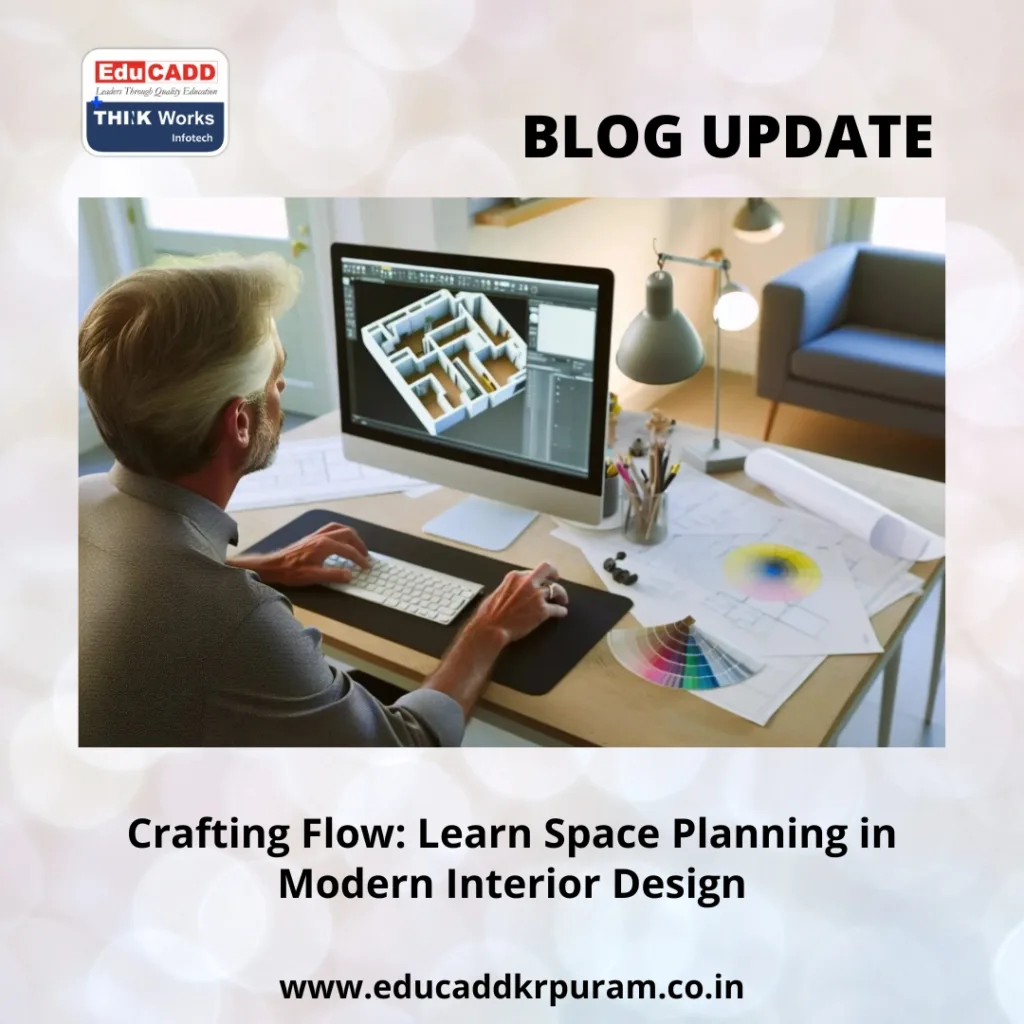
Modern Interior Space Planning
When you learn space planning in modern interior design, you acquire a skill that blends aesthetics with practicality. From positioning furniture for natural movement to balancing lighting and scale, thoughtful planning enhances daily living. This blog explores essential principles, practical techniques, and modern applications to help you design interiors that truly work.
1. The Importance of Space Planning in Modern Design
In contemporary design, clean lines, efficiency, and comfort define interiors. However, without proper planning, even stylish furniture can create a cluttered environment. Space planning answers a simple question: how will the space be used?
For example, an open-plan living and dining area must allow free movement while maintaining distinct functional zones. Likewise, home offices need careful consideration for ergonomics and accessibility. Learning space planning in modern interior design ensures that every corner supports both visual appeal and usability.
Benefits include:
-
Smooth circulation: Uninterrupted movement paths make spaces feel larger.
-
Visual balance: Furniture and décor align proportionally with the room.
-
Enhanced comfort: Each element fits the lifestyle needs of residents.
-
Increased value: Efficient spaces are more appealing and functional.
Space planning is less about filling space and more about creating an experience.
2. Foundational Principles for Effective Space Planning
A strong foundation guides all interior design decisions. Applying these principles ensures that your spaces remain practical and modern.
Prioritize Function
Every room has a purpose, from relaxation to work. Start by identifying key activities before selecting furniture and layouts.
Ensure Movement Flow
Movement lines dictate how people navigate a room. Avoid blocking these paths with large pieces. Open flow enhances both comfort and visual continuity.
Maintain Proportion and Scale
A piece of furniture may look attractive individually but overwhelm the room. Align furniture size with space dimensions for harmony.
Emphasize Flexibility
Spaces must adapt to changing needs. Multi-functional furniture and modular layouts allow areas to shift between activities seamlessly.
Consider Light and Ventilation
Natural light and airflow influence how a room feels. Plan layouts to maximize daylight and enhance ventilation.
Following these principles ensures interiors that balance beauty, functionality, and longevity.
3. Practical Techniques to Master Space Planning
Techniques transform principles into tangible outcomes, enabling better design decisions.
Zoning and Defining Areas
Use furniture, rugs, or lighting to divide rooms into functional zones without walls. Open spaces can host multiple purposes while retaining clarity.
Focal Points
Create attention-grabbing elements such as statement walls, artwork, or fireplaces. Arrange furniture around these points to achieve visual order.
Layered Furniture Placement
Start with large pieces, add secondary items, then finalize with décor. This prevents overcrowding while maintaining harmony.
Utilize Vertical Space
Compact modern homes benefit from tall shelves, wall-mounted storage, or lofted beds, maximizing every inch efficiently.
Integrate Technology Thoughtfully
Plan for smart home systems, hidden wiring, and accessible technology without compromising aesthetics.
By practicing these methods, you can craft modern interiors that are functional, flexible, and visually appealing.
4. Adapting Space Planning Across Different Interiors
Different environments demand tailored approaches. Residential, commercial, and hospitality spaces all require unique strategies.
Homes
Comfort, efficiency, and personalization are key. Living rooms must balance social and private functions. Kitchens should follow workflow concepts like the “work triangle,” connecting stove, sink, and refrigerator. Bedrooms must promote relaxation and tranquility.
Offices
Modern workplaces prioritize collaboration and focus. Open layouts encourage interaction, while private zones support concentration. Ergonomic furniture is essential for comfort and productivity.
Retail Spaces
Customer behavior depends on space organization. Clear circulation paths and strategically placed displays guide attention while enhancing shopping experiences.
Hospitality
Hotels and restaurants require seamless guest flow, efficient seating arrangements, and an inviting ambiance. Well-planned spaces increase satisfaction and usability.
Tailoring planning to context ensures interiors meet functional, aesthetic, and experiential needs.
5. How to Develop Your Space Planning Skills
Learning space planning in modern interior design combines education, observation, and hands-on practice.
Formal Education
Design schools provide structured programs covering theory, CAD software, and project-based learning. This establishes a strong foundation.
Online Courses
Flexible, self-paced online learning offers practical projects and modern design case studies, helping beginners upskill efficiently.
Real-Life Practice
Start with small spaces. Redesign a bedroom, home office, or living area. Digital tools like SketchUp, AutoCAD, or Revit allow experimentation before physical implementation.
Mentorship and Internships
Guidance from experienced designers exposes you to real-world challenges, improving both creative and technical abilities.
Stay Inspired
Explore design magazines, online galleries, and exhibitions. Observing professional projects sharpens your design instincts and awareness of contemporary trends.
Continuous learning combined with hands-on application strengthens your ability to design interiors that balance function and style.
Conclusion
Modern interior design relies on a careful balance of aesthetics and functionality. Modern Interior Space Planning is the key element that ensures every design decision supports this balance. From flow and proportion to flexibility and technology, thoughtful planning transforms ordinary spaces into exceptional environments.
When you learn space planning in modern interior design, you acquire the skill to shape spaces that feel organized, inviting, and purposeful. By applying principles, techniques, and context-specific strategies, you can design interiors that not only look beautiful but also enhance the quality of daily life.

