
Building Tomorrow’s Homes: Transforming Residential Design Through BIM
The Residential BIM Design Innovation industry is experiencing a transformative era, where traditional design practices are being replaced with digital innovation and intelligent workflows. Homeowners now demand higher quality, faster construction timelines, better cost predictability, and sustainable living environments. Conventional methods, often reliant on 2D drawings, manual calculations, and fragmented communication, struggle to meet these expectations. Building Information Modeling (BIM) has emerged as a pivotal technology in addressing these challenges.
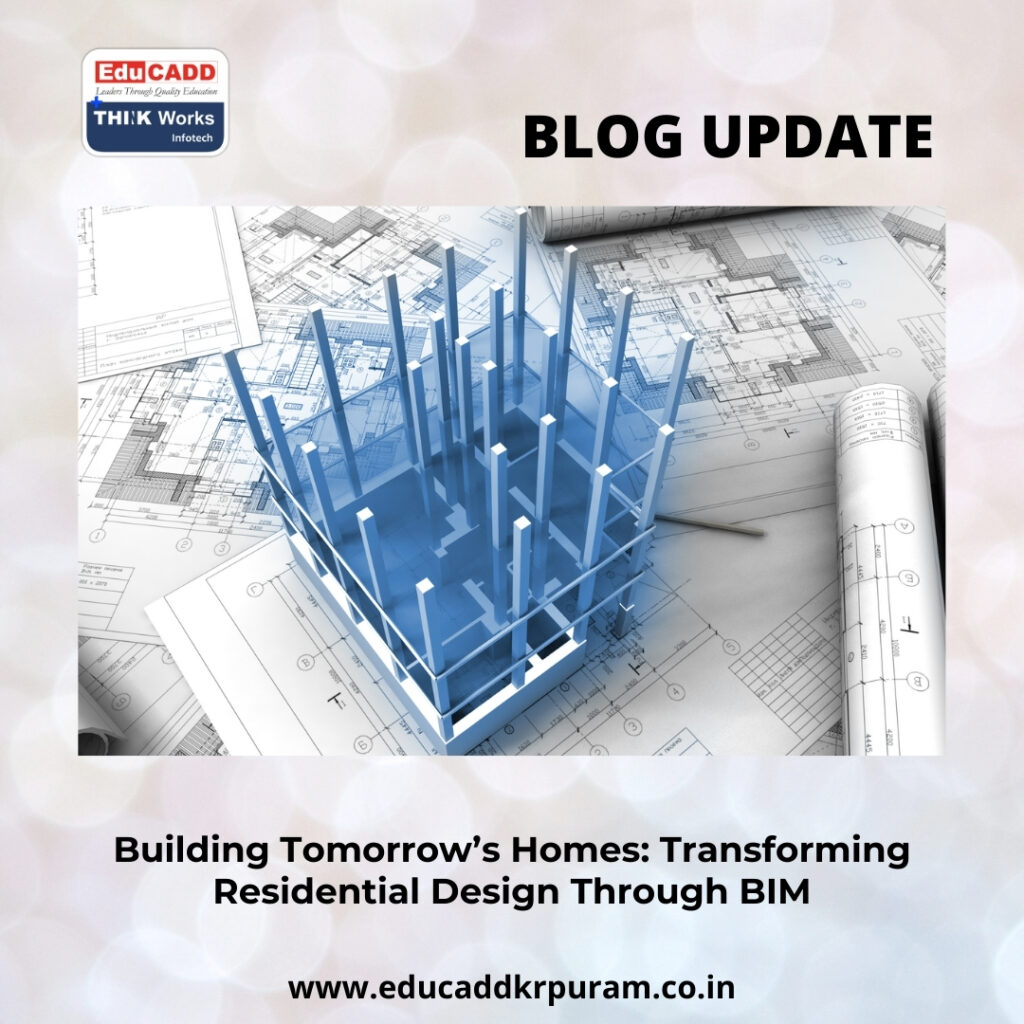
Residential BIM Design Innovation
Residential BIM Design Innovation integrates all aspects of design, construction, and facility management into a unified digital model, allowing architects, engineers, contractors, and clients to make informed, data-driven decisions. This shift represents a significant leap forward in home design, enabling precise planning, enhanced collaboration, and improved project outcomes from conception to completion.
Understanding BIM and Its Role in Residential Projects
BIM is a digital representation of the physical and functional characteristics of a building. In residential projects, the model encompasses geometry, spatial relationships, materials, systems, cost data, and timelines, creating an information-rich environment for all stakeholders. Unlike traditional 2D drawings that exist separately, a BIM model is dynamic and intelligent. Each component within the model is aware of its properties and interactions, enabling seamless coordination among architects, engineers, and contractors. BIM in residential projects ensures accuracy, reduces errors, and improves efficiency, providing a single source of truth that aligns design intent with construction reality.
Moving from Conventional Design to BIM Workflows
Historically, residential design depended on 2D plans, elevations, and sections. While effective in communicating ideas, this approach required significant interpretation and often resulted in inconsistencies. BIM replaces static documentation with an integrated 3D model that updates automatically whenever modifications occur. Any change to a wall, window, or fixture is reflected across all related views and documents. BIM in residential projects eliminates redundant revisions, enhances design accuracy, and accelerates the approval process. This evolution allows design teams to focus on creativity, functionality, and constructability rather than administrative corrections, improving overall project efficiency.
Improved Design Visualization and Accuracy
BIM provides detailed three-dimensional representations of homes, offering accurate visualization of spaces, materials, and finishes. Homeowners can virtually tour their future homes, gaining a clear understanding of layout, scale, and aesthetics. BIM in residential projects allows early feedback and decision-making, reducing costly changes during construction. Designers can test multiple configurations, ensuring functionality and style meet both client expectations and building regulations. This heightened accuracy enhances design quality, minimizes rework, and streamlines construction.
Enhancing Collaboration Among Stakeholders
Residential construction involves a variety of professionals, including architects, structural engineers, MEP consultants, contractors, and suppliers. BIM provides a shared platform that facilitates real-time collaboration, ensuring that all parties work from the same accurate data set. BIM in residential projects promotes transparency, minimizes conflicts, and strengthens accountability. Collaborative workflows foster trust, improve communication, and enhance project outcomes. By integrating all stakeholders within a single model, BIM reduces misunderstandings and ensures that design intent is maintained throughout the construction process.
Clash Detection and Risk Mitigation
Conflicts between architectural, structural, and MEP elements are common in residential construction and can cause delays and additional costs if discovered on-site. BIM enables early clash detection, allowing these issues to be resolved during the design phase. BIM in residential projects ensures optimized spatial coordination, reducing the likelihood of on-site errors and rework. Proactively identifying potential conflicts not only saves time and money but also increases overall construction predictability and quality, leading to smoother project execution.
Accurate Cost Estimation and Budget Control
BIM integrates quantity take-offs and cost data within the model, allowing accurate financial planning from the earliest stages of design. When changes are made, stakeholders can immediately evaluate the cost impact, enabling informed decision-making. BIM in residential projects improves budget management, minimizes the risk of cost overruns, and enhances financial transparency. Accurate cost estimation supports efficient resource allocation and provides homeowners and developers with confidence that their investment aligns with project scope and design intent.
Time Management and Construction Scheduling
Effective scheduling is critical in residential construction to ensure timely delivery. BIM incorporates construction sequencing within the model through 4D simulations, visualizing the entire build process and identifying potential bottlenecks. BIM in residential projects facilitates proactive planning, efficient resource allocation, and streamlined workflows. Integrating design, procurement, and construction schedules helps reduce idle time, prevent delays, and enhance overall project productivity. Timely project completion increases client satisfaction and strengthens the reputation of developers and contractors.
Sustainability and Energy Efficiency
Sustainability is a key consideration in modern residential design. BIM allows designers to perform energy simulations, daylight analysis, and thermal performance evaluations early in the design process. BIM in residential projects supports informed decision-making regarding materials, orientation, and building systems, promoting energy-efficient and environmentally responsible homes. By integrating sustainability into the design workflow, BIM helps reduce long-term operational costs, minimizes environmental impact, and ensures compliance with green building standards.
Personalization and User-Centric Design
Homeowners increasingly desire personalized spaces tailored to their lifestyle and preferences. BIM facilitates customization without compromising project coordination or accuracy. Designers can create multiple scenarios and assess the feasibility of options quickly, allowing for greater flexibility and client involvement. BIM in residential projects ensures that customizations are integrated seamlessly, enhancing client satisfaction and fostering a strong connection between residents and their homes. This user-centric approach contributes to both functional and emotional value in residential projects.
Construction Accuracy and Quality Control
High-quality construction depends on precise documentation and execution. BIM provides detailed, coordinated information for contractors, specifying dimensions, materials, and installation methods. BIM in residential projects minimizes on-site ambiguities, reduces errors, and enhances workmanship quality. The integration of design and construction data allows continuous quality control, ensuring that completed homes meet regulatory requirements and homeowner expectations. Enhanced construction quality contributes to durability, reduces maintenance needs, and increases overall property value.
Lifecycle Management and Facility Maintenance
BIM models serve as comprehensive digital assets beyond construction, containing critical information for facility management, including equipment specifications, warranties, and maintenance schedules. BIM in residential projects enables homeowners and facility managers to maintain and operate the building efficiently. Access to detailed information supports long-term management, cost savings, and building performance. This lifecycle approach transforms a residential property into a well-documented, manageable asset that maintains value and functionality over time.
Challenges in BIM Implementation
Despite the clear benefits, BIM adoption in residential projects faces challenges. Initial costs for software, training, and workflow adjustments can be perceived as significant, particularly for smaller firms. Resistance to change and lack of familiarity may also slow adoption. However, as technology becomes more accessible and industry awareness grows, these barriers are decreasing. BIM in residential projects is increasingly recognized as a standard practice rather than a luxury, providing long-term efficiency, cost savings, and competitive advantage.
The Future of BIM in Residential Construction
The future of residential construction is closely tied to digital innovation and intelligent workflows. BIM is set to integrate with emerging technologies such as virtual reality, augmented reality, IoT, and smart home systems, enhancing both design and occupant experience. As sustainability requirements and building standards evolve, BIM will continue to serve as a central platform for planning, construction, and facility management. BIM in residential projects will shape smarter, more connected, and environmentally responsible homes, ensuring that innovation and efficiency are central to the next generation of residential living.
Conclusion
Residential BIM Design Innovation represents a transformative advancement in home design, offering enhanced accuracy, collaboration, cost control, scheduling, and sustainability. By unifying all aspects of design, construction, and lifecycle management, BIM bridges the gap between vision and reality. Homes built with BIM are not only efficient and sustainable but also personalized and high-quality, meeting the expectations of modern homeowners. The shift to BIM-driven residential design is more than a technological upgrade; it is a fundamental evolution that redefines how homes are conceived, constructed, and experienced, setting new benchmarks for the future of residential construction.

