
From Plate to Place: Mastering Interior Design for Restaurants and Cafes That Captivate Guests
Restaurant Cafe Interior Design and cafes today compete in an experience-driven market where ambience matters as much as the menu itself. While delicious food attracts visitors, the environment often determines whether they return. Interior design for restaurants and cafes therefore plays a powerful role in shaping customer perception, comfort, and satisfaction. A thoughtfully designed space invites people to relax, socialize, and fully enjoy their dining experience.
The interior of a restaurant communicates the story and personality of the brand. From the moment guests step inside, they observe the lighting, layout, furniture, colors, and decorative elements. These details instantly form an impression about the quality of the restaurant. When the environment feels welcoming and visually engaging, customers naturally feel confident about their choice.
In modern dining culture, people look for spaces that feel unique and memorable. Many guests enjoy visiting cafes and restaurants that offer not only great food but also a beautiful environment where they can take photos, meet friends, or even work for a few hours. This trend has pushed restaurant owners to focus more attention on creating attractive and comfortable interiors.
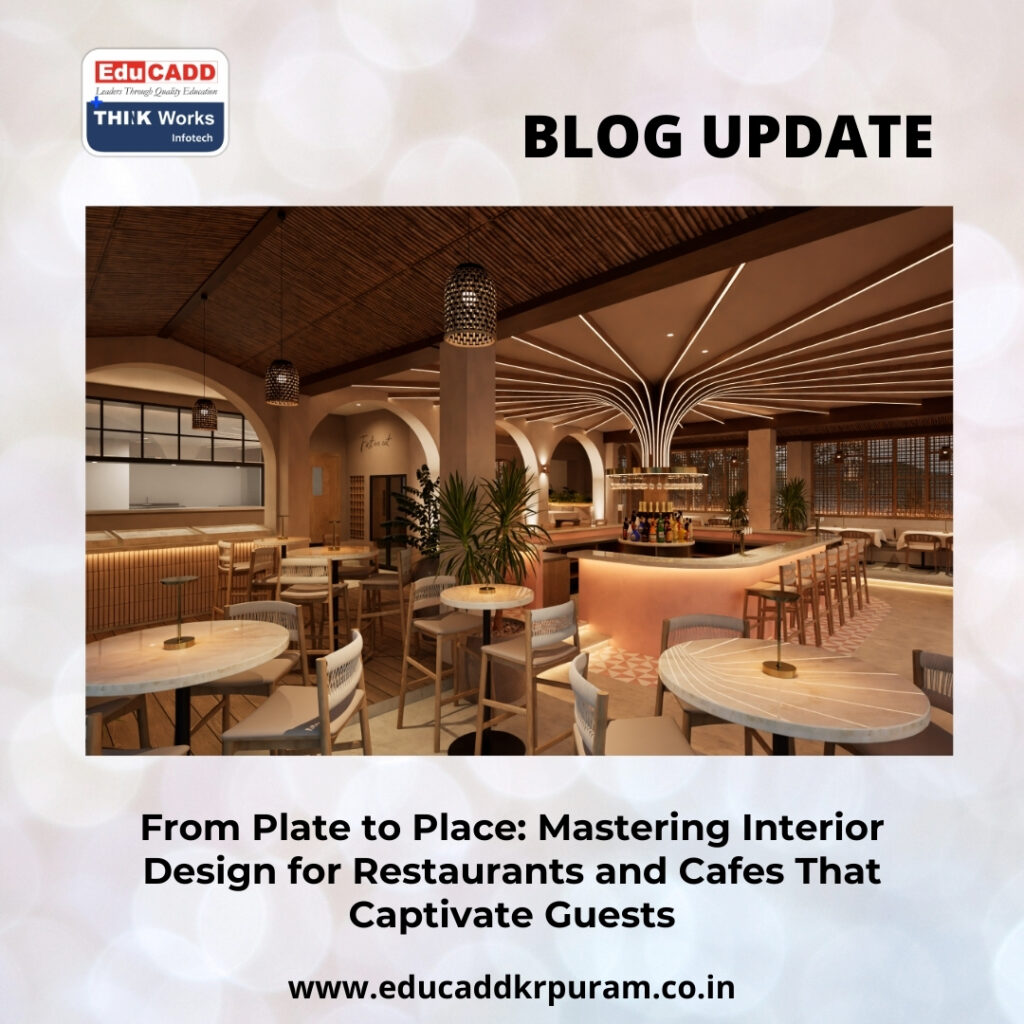
Restaurant Cafe Interior Design
This comprehensive blog explores the essential principles of Restaurant Cafe Interior Design and cafes. Each section explains how thoughtful design choices—from layout planning to lighting, furniture, color psychology, branding, and sustainability—can transform an ordinary dining space into a vibrant destination that attracts and retains customers.
1. The Role of Interior Design in Restaurant Success
Interior design for restaurants and cafes has a direct impact on customer satisfaction and business growth. When diners enter a visually appealing and well-organized space, they feel comfortable and relaxed. This positive feeling often influences their overall perception of the restaurant.
A pleasant dining environment encourages customers to stay longer and enjoy their meals without feeling rushed. When guests feel comfortable, they are also more likely to order additional items such as drinks or desserts. This behavior naturally increases restaurant revenue.
Design also contributes to emotional connection. Warm lighting, comfortable seating, and appealing decor create an atmosphere that makes customers feel welcome. These elements transform a simple meal into an enjoyable experience.
Moreover, interior design strengthens brand recognition. A restaurant with a unique style becomes easier for customers to remember and recommend. Whether the theme is modern, rustic, luxurious, or minimalist, the design helps define the restaurant’s identity and distinguish it from competitors.
2. Planning the Perfect Layout for Efficiency and Comfort
A well-structured layout forms the backbone of interior design for restaurants and cafes. The layout determines how customers move through the space and how efficiently staff can perform their tasks. Proper planning ensures that every section of the restaurant functions smoothly.
Dining spaces usually include several zones such as seating areas, service counters, kitchens, and waiting sections. Designers must arrange these zones logically to prevent congestion and confusion. Clear pathways allow customers and staff to navigate the space comfortably.
Table placement is another important consideration. Adequate spacing between tables ensures privacy and comfort for guests. At the same time, designers must maximize seating capacity without making the environment feel crowded.
A successful layout also supports accessibility. Wide walkways and well-positioned entrances make the restaurant convenient for all visitors. When layout planning prioritizes comfort and efficiency, the dining experience becomes smoother for everyone.
3. Defining a Strong Concept and Visual Theme
Every memorable restaurant begins with a clear design concept. The theme sets the tone for the entire space and guides decisions about colors, materials, lighting, and decor. When the concept remains consistent, the interior feels cohesive and purposeful.
Restaurant Cafe Interior Design and cafes often reflects the cuisine or cultural inspiration behind the brand. For instance, a traditional Italian restaurant may feature warm colors, brick walls, and rustic wooden furniture. A modern coffee shop might highlight industrial lighting, minimalist furniture, and neutral tones.
A strong concept also helps attract the intended audience. Young professionals might enjoy trendy cafes with contemporary designs, while families may prefer restaurants with warm and cozy interiors.
Consistency across design elements strengthens the theme. When furniture, lighting fixtures, wall decor, and color palettes all support the same vision, the restaurant creates a powerful and recognizable atmosphere that customers remember long after their visit.
4. Lighting Design That Shapes the Dining Mood
Lighting has the ability to completely transform the atmosphere of a restaurant or cafe. The right lighting design enhances comfort, highlights architectural features, and improves the presentation of food.
Natural light creates a refreshing and energetic environment during the day. Many cafes incorporate large windows to allow sunlight to brighten the interior. This approach makes the space feel open, fresh, and inviting.
Artificial lighting plays an equally important role, especially during evening hours. Designers usually combine several types of lighting to create depth and balance within the space.
Common lighting approaches include:
-
Ambient lighting that provides general illumination for the entire dining area
-
Accent lighting that draws attention to artwork, architectural features, or dining tables
Warm lighting is often preferred in restaurants because it creates a relaxed and cozy ambience. On the other hand, brighter lighting works well in cafes where customers read, work, or socialize for extended periods.
5. Selecting Furniture That Balances Style and Comfort
Furniture is one of the most noticeable aspects of interior design for restaurants and cafes. Guests interact with tables and chairs throughout their visit, so comfort must remain a top priority.
Restaurants typically combine several seating styles to accommodate different customer groups. Booth seating offers privacy and comfort for couples or families. Communal tables encourage social interaction among larger groups.
Durability is also essential because restaurant furniture experiences heavy daily use. Materials such as solid wood, metal frames, and high-quality upholstery ensure longevity and easy maintenance.
Flexible furniture arrangements allow restaurants to adapt to changing needs. Lightweight tables and movable chairs enable quick reconfiguration of the dining area for events, group bookings, or busy service periods.
6. Using Color Psychology to Shape Customer Experience
Color plays a powerful psychological role in interior design. In restaurants and cafes, color choices can influence mood, appetite, and overall perception of the space.
Warm tones such as red, orange, and yellow stimulate energy and appetite. Many casual dining restaurants use these colors to create lively and vibrant atmospheres.
Cool tones such as blue and green promote calmness and relaxation. Cafes and fine dining establishments often use these shades to encourage guests to stay longer and enjoy a peaceful environment.
Neutral shades such as beige, cream, and gray help balance stronger colors while maintaining a sophisticated look. Designers often combine neutral backgrounds with bold accents to create visual interest without overwhelming the space.
Through careful color selection, designers create atmospheres that match the restaurant’s concept and enhance the dining experience.
7. Expressing Brand Identity Through Design
Restaurant Cafe Interior Design and cafes serves as a visual representation of the brand. The design communicates the restaurant’s values, personality, and story to customers.
Brand identity can appear through consistent color schemes, signage, and decorative elements. For example, a cafe might incorporate its brand colors into furniture, wall paint, and packaging displays.
Artwork and wall graphics also reinforce branding. Many restaurants display creative murals or typography that reflects their philosophy or culinary inspiration.
When customers recognize consistent visual themes across the space, they develop stronger connections with the brand. This recognition improves brand recall and encourages repeat visits.
8. Creating Photo-Worthy Spaces for Social Media
In today’s digital world, interior design for restaurants and cafes often doubles as a marketing strategy. Many customers enjoy sharing photos of visually appealing dining spaces on social media platforms.
Designers frequently incorporate eye-catching features that encourage guests to take pictures. These elements may include colorful murals, stylish lighting installations, or artistic furniture arrangements.
Restaurants sometimes create dedicated photo spots within the space. These areas provide attractive backdrops where guests can capture memorable images.
Two popular design elements include:
-
Creative wall art or decorative installations
-
Unique lighting features such as neon signs or pendant lamps
When guests share photos online, the restaurant receives valuable exposure that attracts new visitors and strengthens its online presence.
9. Integrating Natural Elements Into Restaurant Interiors
Nature-inspired design has become increasingly popular in hospitality interiors. Plants, wood textures, and natural materials create refreshing environments that feel warm and welcoming.
Indoor plants add life and color to restaurant spaces. Designers often place greenery near windows, entrances, or seating areas to enhance the overall atmosphere.
Wooden surfaces also contribute warmth and authenticity. Wooden tables, wall panels, and decorative features create a comfortable and inviting environment.
Natural materials help balance modern design elements while improving visual comfort. These features work especially well in cafes where customers spend extended time relaxing, studying, or meeting friends.
10. Improving Dining Comfort Through Acoustic Design
Noise levels greatly influence the overall dining experience. Excessive noise can make conversations difficult and create discomfort for guests. Therefore, sound management is an important part of interior design for restaurants and cafes.
Soft materials absorb sound and reduce echo within the space. Upholstered seating, carpets, and curtains help maintain balanced noise levels.
Ceiling treatments also play a role in acoustic control. Textured surfaces, wooden panels, or suspended elements can distribute sound evenly throughout the restaurant.
When acoustic design is handled effectively, customers can enjoy comfortable conversations and a relaxed atmosphere.
11. Sustainable Design Practices in Restaurants
Sustainability has become a major priority in modern hospitality design. Many restaurants now incorporate eco-friendly materials and energy-efficient systems into their interiors.
Reclaimed wood, recycled materials, and natural finishes reduce environmental impact while adding unique character to the design. These materials often create visually appealing and authentic interiors.
Energy-efficient lighting systems, such as LED fixtures, reduce electricity consumption without sacrificing brightness or style. Water-saving fixtures and energy-conscious appliances also contribute to sustainable operations.
Restaurant Cafe Interior Design not only benefits the environment but also appeals to customers who value responsible businesses.
12. Designing Welcoming Entrance Areas
The entrance of a restaurant creates the first impression for visitors. A well-designed entry area immediately communicates the restaurant’s personality and invites customers inside.
Interior design for restaurants and cafes often emphasizes the entrance with distinctive signage, decorative lighting, and attractive displays. These elements capture attention and create curiosity.
Waiting areas should also feel comfortable and visually appealing. Providing seating, menu displays, and decorative plants keeps guests engaged while they wait.
An inviting entrance encourages walk-in customers and builds excitement for the dining experience ahead.
13. Balancing Aesthetic Beauty with Practical Function
Although visual appeal is important, functionality must remain a central focus in restaurant design. Beautiful interiors should also support smooth operations and customer comfort.
Lighting should provide sufficient visibility for dining while maintaining a pleasant atmosphere. Furniture must be both stylish and durable enough for daily use.
Decorative elements should enhance the space without obstructing movement. Staff need clear pathways to serve guests efficiently.
When aesthetics and functionality work together, the restaurant achieves both visual elegance and operational efficiency.
14. Designing Flexible Spaces for Modern Dining Trends
Dining trends continue to evolve, and restaurant interiors must adapt to changing customer preferences. Flexible design solutions allow restaurants to remain relevant over time.
Many modern cafes include work-friendly seating areas equipped with charging outlets and comfortable chairs. These spaces attract freelancers, students, and professionals.
Restaurants also design multipurpose areas that accommodate events, private gatherings, or large groups. Movable furniture makes it easy to adjust the layout depending on customer needs.
Adaptable design ensures that restaurants remain functional and appealing even as dining habits change.
Conclusion
Restaurant Cafe Interior Design and cafes plays a vital role in shaping unforgettable dining experiences. A thoughtfully designed space combines comfort, functionality, and visual appeal to create an atmosphere where customers enjoy spending time.
From layout planning and lighting design to furniture selection and color psychology, every design element contributes to the overall ambience. When these components work together effectively, they transform a simple dining area into a vibrant destination.
Modern diners also appreciate unique interiors that feel welcoming and visually engaging. Restaurants that invest in creative design, sustainable materials, and adaptable spaces are more likely to attract loyal customers and stand out in a competitive market.
Ultimately, successful restaurant design blends aesthetics with practicality. By focusing on customer comfort, brand identity, and innovative design strategies, restaurants and cafes can create environments that leave lasting impressions and encourage guests to return again and again.

