
Transforming Retail Spaces: Powerful Interior Design Ideas That Boost Customer Engagement and Sales
Retail stores today are not just places where products are displayed and sold. They have evolved into immersive environments where customers interact with brands, explore products, and enjoy a memorable shopping experience. Because of this shift, Retail Interior Design Ideas has become a critical factor in attracting customers and influencing purchasing behavior. A well-designed retail space creates a welcoming atmosphere that encourages customers to stay longer, explore more products, and develop a stronger connection with the brand.
Modern shoppers expect more than just shelves filled with products. They look for stores that are visually appealing, easy to navigate, and comfortable to explore. If a store appears cluttered, poorly organized, or dull, customers may quickly lose interest and leave without making a purchase. However, when Retail Interior Design Ideas is carefully planned, the store becomes an inviting environment that enhances customer satisfaction and increases the likelihood of sales.
Interior design also plays a significant role in communicating the brand’s personality. The colors, materials, lighting, and layout all contribute to the overall brand story. These elements help create a consistent identity that customers can easily recognize and remember. As a result, the store itself becomes an important marketing tool.
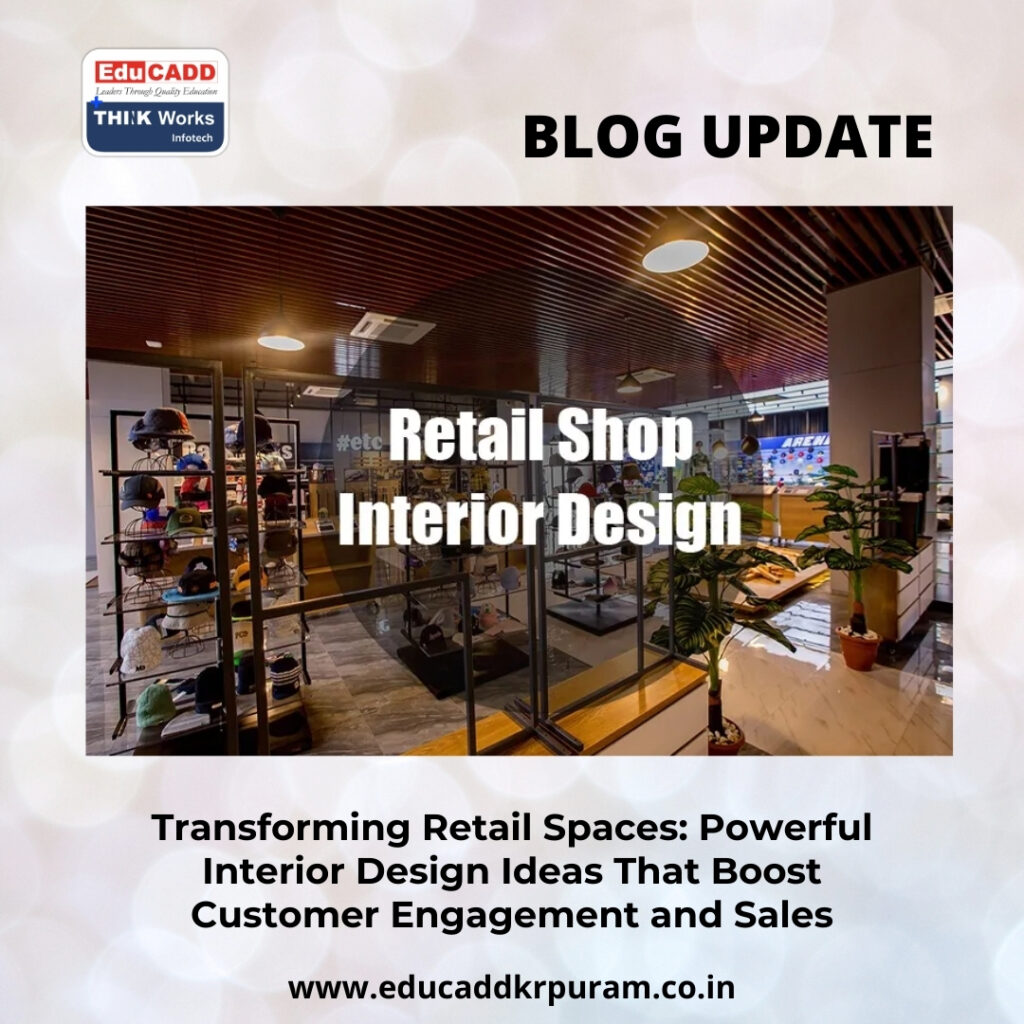
Retail Interior Design Ideas
Retailers who focus on thoughtful design strategies often see stronger customer loyalty and better business performance. A well-designed store improves product visibility, guides customers smoothly through the space, and highlights key items that deserve attention.
This article explores practical and effective retail store interior design best practices that can help retailers create engaging, functional, and visually attractive shopping environments.
Understanding the Role of Interior Design in Retail Success
The interior design of a retail store has a direct impact on how customers perceive the brand and interact with products. For this reason, Retail Interior Design Ideas should always be approached strategically rather than as an afterthought.
When customers enter a store, they immediately begin evaluating the environment. The layout, lighting, and visual presentation influence whether they feel comfortable exploring the space. If the store looks clean, organized, and attractive, customers naturally feel more confident about the products being sold.
Interior design also affects customer behavior. A thoughtfully arranged store can guide shoppers through different sections, increasing exposure to a variety of products. This approach often leads to additional purchases because customers discover items they may not have initially planned to buy.
Furthermore, a well-designed store enhances emotional engagement. Music, textures, lighting, and colors work together to create a specific atmosphere. When customers enjoy the environment, they are more likely to stay longer and return in the future.
Retailers who recognize the value of Retail Interior Design Ideas often treat it as an essential part of their overall business strategy.
Planning a Functional and Customer-Friendly Store Layout
The layout of a retail store determines how customers move within the space. Therefore, it is one of the most important components of retail store interior design.
A well-planned layout allows customers to navigate the store effortlessly. Clear pathways and logical product arrangements make it easier for shoppers to find what they are looking for. When navigation feels simple, customers are more likely to explore additional sections of the store.
Retailers often choose layout styles that match their product category. Grid layouts are common in grocery stores because they organize products into clear aisles. Boutique and fashion stores frequently use free-flow layouts that allow customers to move freely around displays.
Another effective strategy is the loop layout, which guides customers along a specific path through the store. This design exposes shoppers to multiple product categories before they reach the checkout counter.
Regardless of the layout style, the main goal is to create a comfortable shopping journey. When retail store interior design focuses on both functionality and customer convenience, the store becomes easier and more enjoyable to explore.
Designing an Eye-Catching Storefront and Entrance
The storefront and entrance area create the first impression of a retail store. Because of this, they are crucial elements of retail store interior design.
An attractive storefront draws attention from passersby and encourages them to step inside. Retailers often use large glass windows to showcase products and provide a clear view of the store interior. This transparency makes the store feel open and welcoming.
Window displays can also highlight seasonal collections, promotional products, or new arrivals. These displays act as visual advertisements that capture interest before customers even enter the store.
The entrance should remain spacious and uncluttered. When customers see a clear and inviting entryway, they feel more comfortable walking inside. Proper lighting near the entrance further enhances visibility and creates a positive atmosphere.
A strong storefront design ensures that the store stands out from competitors and attracts more foot traffic.
Using Lighting to Enhance Product Presentation
Lighting has a powerful effect on how products appear and how customers feel within a store. For this reason, it is a key component of effective retail store interior design.
Different types of lighting serve different purposes. Ambient lighting provides overall illumination that allows customers to move safely throughout the store. Accent lighting highlights specific displays or promotional areas. Task lighting focuses on areas where customers need additional visibility, such as fitting rooms or checkout counters.
Retailers often use brighter lighting to highlight featured products. This technique naturally directs customer attention toward important items. Meanwhile, softer lighting can be used in relaxation zones to create a comfortable atmosphere.
The color temperature of lighting also matters. Warm lighting can create a cozy and luxurious feel, while cooler lighting may suit modern or technology-focused stores.
Balanced lighting ensures that products remain clearly visible while maintaining a pleasant environment.
Selecting Colors That Influence Customer Emotions
Color plays a significant role in shaping customer perceptions. As a result, choosing the right palette is an important part of retail store interior design.
Different colors evoke different emotions. Warm tones such as red and orange create excitement and urgency, which can encourage quick purchasing decisions. Cooler tones like blue and green create a calm environment that encourages longer browsing.
Retailers often align their color choices with their brand identity. A high-end store may prefer neutral shades combined with metallic accents. Meanwhile, stores targeting younger audiences may choose bright and energetic colors.
Consistency is also essential. The color scheme used in the store should match branding elements such as logos, packaging, and marketing materials.
Too many colors can overwhelm customers, so a balanced palette works best. When used effectively, color enhances the overall impact of retail store interior design and strengthens the brand image.
Creating Engaging Product Displays
Product displays are one of the most visible aspects of retail store interior design. They directly influence how customers notice and interact with merchandise.
Instead of simply placing products on shelves, retailers often create themed displays that tell a story. For example, a clothing store may display a complete outfit to help customers imagine how items can be worn together.
Strategic placement is also important. Products positioned at eye level attract more attention than those placed too high or too low.
Effective display strategies include:
-
Highlighting new arrivals or premium products in central display areas.
-
Changing display arrangements frequently to maintain customer interest.
Creative displays make the store feel dynamic and exciting, encouraging customers to explore different sections.
Installing Clear and Informative Signage
Signage is an essential tool for guiding customers through a store. Therefore, it plays an important role in retail store interior design.
Clear signs help customers locate product categories, promotions, and checkout counters quickly. When shoppers can easily find what they need, their overall experience becomes more enjoyable.
Retail signage should use simple fonts, clear wording, and high contrast colors. These features make signs easy to read even from a distance.
Consistency also improves effectiveness. When all signs follow a similar design style, customers quickly learn how to interpret them.
Proper signage reduces confusion and ensures that customers move smoothly through the store.
Improving Customer Movement and Traffic Flow
Customer movement patterns greatly influence the success of retail store interior design. If the store layout restricts movement, customers may feel uncomfortable and leave quickly.
Wide aisles and open spaces allow shoppers to move freely without congestion. This is especially important during peak shopping hours.
Retailers often design pathways that guide customers through high-value product areas. This strategy increases product exposure and encourages impulse purchases.
Two important strategies that improve store traffic flow include:
-
Creating clear walking paths that connect different product zones.
-
Avoiding obstacles that interrupt the natural movement of shoppers.
When customers can navigate the store comfortably, they are more likely to spend additional time browsing.
Reflecting Brand Identity Through Design Elements
Every retail store should reflect the personality of the brand it represents. Because of this, branding is a key component of retail store interior design.
Materials, textures, furniture, and decorative elements can all communicate brand values. A luxury brand may use polished marble, soft lighting, and elegant displays. Meanwhile, a sustainable brand may focus on recycled materials and natural textures.
Wall graphics and storytelling elements can also highlight the brand’s mission and history. These details help customers connect emotionally with the business.
Consistency between online branding and physical store design strengthens brand recognition.
When branding is integrated into interior design, the store becomes a powerful extension of the brand experience.
Integrating Technology for a Modern Shopping Experience
Technology is transforming the retail industry, and it has become an important part of retail store interior design.
Digital displays allow retailers to showcase promotional content, product demonstrations, or brand stories. These displays capture attention and provide useful information to customers.
Interactive screens can also allow shoppers to browse additional products that may not be physically displayed in the store.
Self-checkout systems improve efficiency by reducing waiting times. Customers appreciate faster transactions and greater convenience.
When technology is integrated carefully, it enhances the functionality of the store without distracting from the overall design.
Creating Dedicated Product Experience Areas
Modern retail environments often include spaces where customers can interact with products before purchasing. These zones are an important feature of effective retail store interior design.
Fashion stores provide fitting rooms where customers can try clothing comfortably. Electronics stores create demonstration areas where shoppers can test devices and explore features.
These spaces should be well lit, spacious, and easy to access. Comfortable seating and mirrors improve the overall experience.
Retailers should also ensure that these areas remain clean and organized.
Experience zones allow customers to develop confidence in their purchasing decisions.
Maintaining Clean and Organized Retail Environments
Cleanliness and organization are fundamental aspects of successful retail store interior design. A tidy store immediately communicates professionalism and quality.
Customers feel more comfortable shopping in environments that appear well maintained. Shelves should remain neatly arranged, and products should always be displayed properly.
Regular cleaning of floors, walls, and display units is essential. Even small details, such as fingerprints on glass displays or misplaced items, can negatively affect the store’s appearance.
Efficient inventory management also helps maintain organization by preventing overcrowded shelves.
A clean retail environment encourages customers to spend more time browsing products.
Continuously Improving Store Design
Retail trends and customer expectations continue to evolve. Therefore, retail store interior design should be updated regularly to remain relevant.
Retailers can analyze customer behavior, sales data, and feedback to identify areas for improvement. Even small adjustments can enhance the shopping experience.
Seasonal changes are particularly effective. Updating window displays, rearranging product sections, and introducing new visual elements keeps the store feeling fresh.
Technology upgrades and improved lighting systems can also enhance the environment over time.
Retailers who continuously refine their design strategies remain competitive and attract returning customers.
Conclusion
Retail environments play a crucial role in shaping how customers interact with a brand. Effective Retail Interior Design Ideas transforms a simple store into an engaging and memorable shopping destination.
From strategic layouts and attractive entrances to creative product displays and clear signage, every design element contributes to the overall experience. Retailers who focus on these details create environments that encourage customers to explore, enjoy, and return.
Modern retail spaces must combine aesthetics, functionality, and technology to meet evolving customer expectations. Comfortable traffic flow, well-lit displays, and clean organization further enhance the shopping journey.
By applying these retail store interior design best practices, retailers can build spaces that not only showcase products effectively but also strengthen brand identity and drive long-term business success. A thoughtfully designed retail store does more than sell products—it creates meaningful experiences that customers remember and value.

