
Intelligent Construction Convergence: Transforming Project Delivery Through Primavera and BIM Integration
The construction industry is no longer driven solely by drawings, spreadsheets, and isolated scheduling tools. Today, complex infrastructure and building projects demand precision, collaboration, and real-time visibility. As projects grow in scale and technical sophistication, the margin for error continues to shrink. Consequently, organizations are turning toward integrated digital solutions that align planning, modeling, and execution within a unified framework. Primavera BIM Integration Strategy two of the most powerful technologies shaping modern construction management.
While Primavera provides advanced scheduling and resource control, BIM offers intelligent 3D modeling enriched with data. When these systems operate independently, their potential remains limited. However, when combined strategically, they create a synchronized ecosystem that connects time, cost, and design into a cohesive workflow. This integration empowers teams to visualize construction sequences, forecast risks accurately, control budgets efficiently, and enhance collaboration across departments.
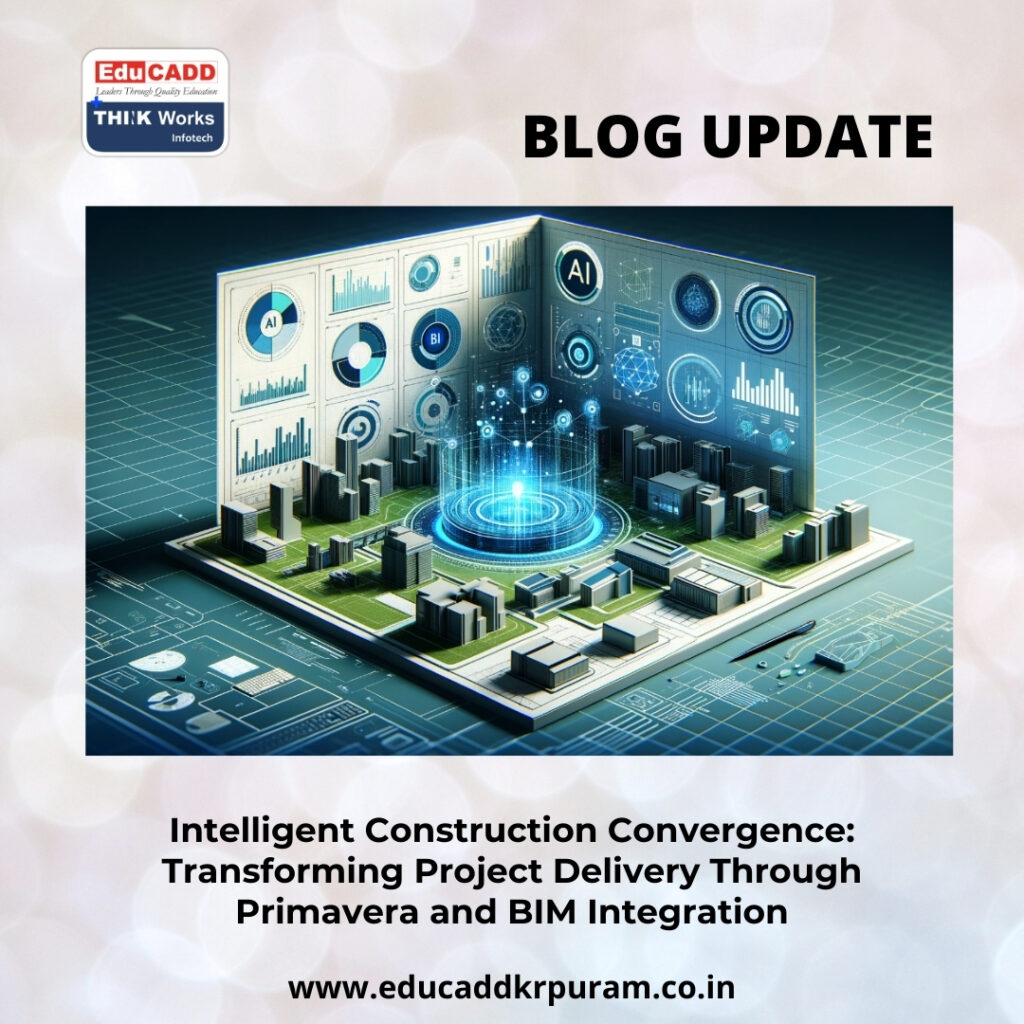
Primavera BIM Integration Strategy
This comprehensive blog explores how integrating Primavera with BIM transforms construction delivery into a smarter, more agile, and performance-driven process.
1. The Shift from Traditional Planning to Digital Synchronization
Construction management once relied heavily on manual scheduling charts and fragmented communication channels. Project planners prepared timelines using standalone software, while design teams worked separately within modeling environments. This separation often resulted in coordination gaps, misaligned schedules, and costly delays.
Over time, the industry recognized the limitations of disconnected systems. As projects became more multidisciplinary, coordination demands intensified. Digital transformation introduced advanced tools capable of handling large datasets and complex workflows. Primavera emerged as a robust scheduling platform, while BIM revolutionized design visualization and coordination.
However, the real breakthrough occurred when these technologies began to function together. Digital synchronization replaced isolated planning. Instead of managing time and space separately, teams started linking schedule data directly to 3D models. This alignment marked the beginning of a new era in project management—one where accuracy, predictability, and collaboration define success.
2. Understanding Primavera’s Strategic Role in Project Execution
Primavera BIM Integration Strategy plays a central role in managing construction timelines and resources. It enables project managers to create detailed work breakdown structures, assign task dependencies, monitor critical paths, and forecast completion dates. Through scenario analysis and earned value management, Primavera supports informed decision-making throughout the project lifecycle.
One of its key advantages lies in its ability to analyze complex project networks. By identifying activities that directly influence completion milestones, managers prioritize tasks effectively. Additionally, resource allocation features ensure that labor and equipment align with project demands.
Despite these strengths, Primavera operates primarily within a time-focused framework. It excels at defining “when” tasks should occur but does not inherently visualize “where” they happen in physical space. Therefore, integrating Primavera with BIM adds the missing spatial dimension that enhances planning precision.
3. The Power of BIM in Design and Coordination
Building Information Modeling has transformed the way construction projects are conceptualized and coordinated. Unlike traditional 2D drawings, BIM creates a dynamic 3D representation enriched with detailed data. Each element within the model contains information about materials, specifications, dimensions, and installation requirements.
Through clash detection features, BIM identifies conflicts between architectural, structural, and MEP systems before construction begins. This proactive approach reduces rework and improves coordination efficiency. Moreover, BIM enhances stakeholder communication by providing clear visualizations that simplify complex technical information.
However, BIM alone does not control scheduling sequences or resource optimization. It focuses on “what” is being built rather than “when” and “how” tasks unfold. Consequently, integrating Primavera’s scheduling capabilities with BIM’s modeling environment creates a comprehensive system that bridges time and space seamlessly.
4. Creating 4D Visualization for Enhanced Planning
When schedule data from Primavera connects with BIM models, the result is 4D construction modeling. In this environment, time becomes an integrated dimension within the digital model. Activities align directly with physical components, allowing teams to visualize the construction process step by step.
Instead of reviewing static Gantt charts, stakeholders observe animated sequences that show how structures rise over weeks and months. This visualization reveals sequencing conflicts and logistical challenges early in the planning phase. For instance, if two major activities overlap within the same workspace, the integrated model highlights the issue instantly.
4D modeling enhances comprehension across departments. Designers, planners, contractors, and clients gain a shared understanding of construction flow. As a result, decision-making becomes faster, more collaborative, and more accurate.
5. Improving Cross-Functional Collaboration
Construction projects involve diverse professionals working toward a common goal. Architects, engineers, project managers, contractors, and consultants must coordinate continuously. Yet, fragmented information often creates misunderstandings and inefficiencies.
Integration between Primavera and BIM eliminates these silos. When schedule updates occur, the model reflects changes automatically. Similarly, design revisions immediately trigger schedule evaluations. This bidirectional flow of information fosters transparency and reduces the risk of miscommunication.
Shared dashboards provide real-time insights into project performance. Teams no longer rely on outdated reports or manual data transfers. Instead, they operate within a unified digital environment that encourages accountability and teamwork. Consequently, collaboration becomes structured, efficient, and goal-oriented.
6. Strengthening Cost Management and Budget Control
Financial stability remains a primary concern in construction management. Delays and design changes frequently lead to budget overruns. However, integrating Primavera with BIM significantly enhances cost control mechanisms.
By linking schedule activities with model quantities, cost estimations reflect actual design conditions. Whenever timelines shift, financial projections update simultaneously. Managers can simulate alternative scenarios and evaluate their budgetary impact before implementation.
Additionally, resource tracking becomes more accurate. Labor hours, equipment usage, and material quantities align directly with model components. This synchronization reduces waste and improves forecasting reliability. Therefore, integration strengthens financial transparency and supports strategic budget management.
7. Enhancing Resource Optimization
Efficient resource utilization determines project profitability and timeline stability. Misaligned resource planning often results in idle labor or equipment shortages. Integrated systems address this challenge effectively.
When Primavera schedules align with BIM elements, resource allocation becomes precise. Managers visualize which teams are required at specific phases and adjust deployment accordingly. Furthermore, predictive analysis helps identify potential bottlenecks before they disrupt progress.
Because resource data integrates with spatial modeling, teams avoid overcrowding and logistical conflicts. This structured coordination enhances productivity and maintains workflow continuity throughout the project lifecycle.
8. Enabling Proactive Risk Management
Every construction project carries inherent risks, including weather disruptions, supply chain delays, and design conflicts. Reactive management strategies often increase costs and extend timelines.
Integration between Primavera and BIM supports proactive risk identification. Through synchronized simulations, teams detect schedule clashes and spatial constraints early. Managers test different scenarios and select the most resilient strategy.
Moreover, performance analytics provide insights into trends that may indicate emerging risks. Instead of waiting for issues to escalate, decision-makers implement preventive measures promptly. Consequently, integrated systems transform risk management into a strategic advantage.
9. Real-Time Progress Tracking and Performance Monitoring
Maintaining visibility over project progress remains critical in dynamic construction environments. Integrated digital platforms offer real-time monitoring capabilities that improve oversight.
Field engineers update task statuses in Primavera BIM Integration Strategy , and the BIM model reflects progress visually. Managers observe completed components, ongoing tasks, and pending activities within the 3D environment. This visual confirmation enhances reporting accuracy and reduces administrative effort.
Furthermore, automated dashboards display key performance indicators, including schedule variance and productivity rates. Such transparency ensures that deviations are addressed quickly, maintaining alignment with project objectives.
10. Supporting Lean Construction and Sustainability Goals
Lean construction principles emphasize waste reduction, efficiency, and value maximization. Integration between scheduling and modeling systems naturally aligns with these goals.
By visualizing sequences in advance, teams minimize unnecessary movements and optimize workflow planning. Material deliveries can follow just-in-time strategies, reducing storage requirements and environmental impact.
Additionally, fewer design conflicts result in reduced rework, which conserves resources and lowers carbon footprints. Therefore, digital integration supports sustainable construction practices while improving operational performance.
11. Improving Stakeholder Engagement and Communication
Effective communication fosters trust and reduces disputes among project participants. Integrated digital models enhance stakeholder engagement by presenting clear and interactive visualizations.
Clients and investors gain a comprehensive understanding of project timelines through animated simulations. This clarity accelerates approvals and strengthens collaborative relationships.
Moreover, consistent data reporting ensures that all stakeholders rely on the same information source. Such transparency builds confidence and reinforces accountability across organizational levels.
12. Implementation Strategies for Successful Integration
Successful integration requires careful planning and disciplined execution. Organizations should begin by defining integration objectives and selecting compatible tools. Standardized naming conventions and data mapping structures ensure consistency between scheduling and modeling systems.
Comprehensive training programs equip teams with technical proficiency. Pilot projects allow organizations to refine workflows before expanding integration across larger portfolios. Regular audits verify synchronization accuracy and prevent data discrepancies.
Through structured implementation, companies maximize the benefits of integrated digital workflows and sustain long-term operational efficiency.
13. Embracing Technological Innovation for Future Growth
The future of construction lies in intelligent digital ecosystems. Emerging technologies such as artificial intelligence, cloud collaboration platforms, and IoT sensors further enhance integration capabilities.
Real-time site data can update schedules and models automatically. Predictive algorithms refine forecasting accuracy, while cloud platforms enable global collaboration without geographic limitations.
As innovation accelerates, integrated systems will become foundational components of competitive construction strategies. Organizations that embrace digital convergence today position themselves for sustainable growth tomorrow.
14. Establishing a Resilient Digital Framework
A resilient construction organization adapts quickly to change and leverages data strategically. Integration between Primavera and BIM creates a robust digital framework that supports adaptability.
Centralized data storage preserves institutional knowledge and improves future planning. Lessons learned from completed projects inform subsequent initiatives, strengthening overall performance capability.
Ultimately, digital convergence enhances not only operational efficiency but also organizational maturity. It empowers teams to navigate complexity with confidence and precision.
Conclusion
The integration of Primavera BIM Integration Strategy a significant advancement in construction management methodology. By connecting scheduling intelligence with data-rich modeling environments, organizations achieve enhanced visibility, coordination, and control. Time, cost, and design information converge within a single ecosystem, enabling proactive decision-making and streamlined execution.
Through improved collaboration, stronger risk mitigation, optimized resource planning, and transparent reporting, integrated systems redefine how projects are delivered. As digital transformation continues to reshape industry standards, companies that adopt synchronized planning and modeling strategies gain a decisive competitive edge. Ultimately, Primavera and BIM integration serves as a catalyst for smarter, more efficient, and future-ready construction project delivery.

