
Blueprinting Brilliance: Crafting Next-Gen Co-Working Interiors for Productivity and Innovation
The modern workplace has undergone a remarkable transformation, driven by flexibility, technology, and evolving professional needs. Co Working Interior Design have emerged as powerful alternatives to traditional offices, offering a blend of collaboration, independence, and community. However, their success depends largely on how well they are designed. Interior design is no longer just about aesthetics; it is about creating environments that actively support productivity, creativity, and well-being.
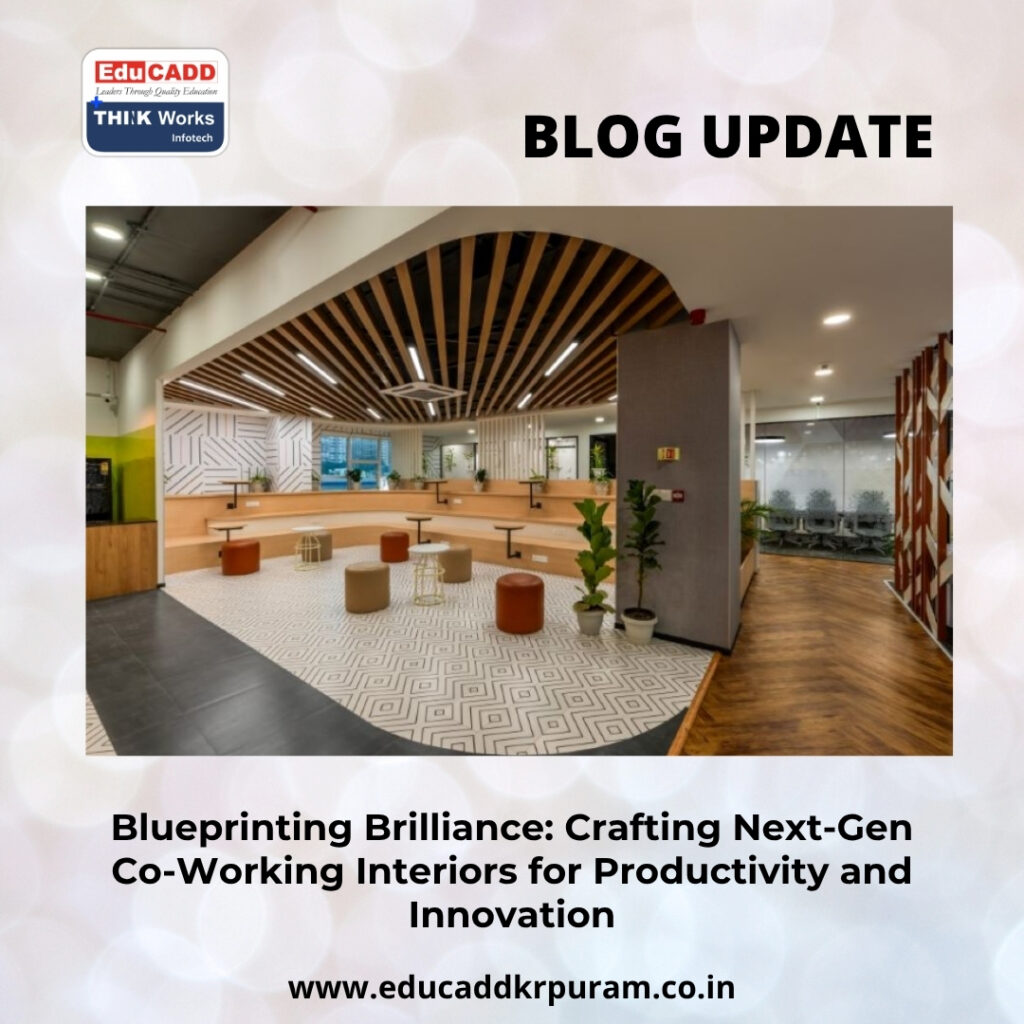
Co Working Interior Design
A thoughtfully designed Co Working Interior Design acts as a catalyst for innovation. It accommodates diverse work styles while maintaining a cohesive and engaging atmosphere. From freelancers and entrepreneurs to remote teams and startups, users expect more than just a desk. They seek inspiration, comfort, and efficiency. Therefore, interior design must integrate functionality with visual appeal, ensuring every element contributes to a seamless work experience.
Decoding the Needs of Modern Professionals
Understanding the people who use co-working spaces is the first step toward effective design. Today’s professionals have varied expectations, influenced by their industries, roles, and personal preferences. Some prioritize quiet environments for deep work, while others thrive in energetic spaces that encourage collaboration.
Designing with user behavior in mind ensures that the space remains relevant and functional. Observing movement patterns, interaction levels, and workspace preferences helps create a layout that feels intuitive. This user-focused approach not only enhances satisfaction but also fosters a sense of belonging, making the space more than just a workplace.
Mastering Layout Design for Seamless Flow
A well-planned layout is essential for ensuring efficiency and comfort within a co-working environment. Poorly organized spaces can lead to confusion, congestion, and reduced productivity. On the other hand, a thoughtfully structured layout promotes smooth movement and optimal use of available space.
Dividing the area into clearly defined sections helps maintain order while supporting various activities. Workstations, meeting rooms, relaxation areas, and collaborative zones should be strategically positioned. This approach allows users to transition easily between tasks, improving overall workflow and experience.
Building Distinct Work Zones for Every Task
Creating specialized zones is crucial for accommodating different work styles within the same environment. Each zone should be designed to support a specific type of activity while maintaining visual harmony across the space.
-
Quiet zones allow individuals to focus without interruptions
-
Interactive zones encourage teamwork and creative discussions
Placing these zones thoughtfully ensures minimal disruption and maximum efficiency. For instance, quiet areas should be located away from high-traffic zones, while collaborative spaces can be positioned centrally. This balance helps maintain productivity while fostering interaction.
Prioritizing Ergonomics for Long-Term Comfort
Comfort plays a vital role in determining how effectively people work. Co Working Interior Design often host individuals for extended hours, making ergonomic design a necessity rather than a luxury. Poorly designed furniture can lead to discomfort and health issues, affecting productivity over time.
Investing in ergonomic chairs, adjustable desks, and supportive workstations ensures a healthier work environment. These elements help maintain proper posture and reduce strain. When users feel physically comfortable, they are more likely to stay engaged and productive throughout the day.
Optimizing Lighting for Energy and Focus
Lighting has a profound impact on both mood and efficiency. Natural light is highly beneficial, as it enhances energy levels and reduces eye strain. Incorporating large windows and open layouts allows sunlight to illuminate the space, creating a vibrant and welcoming atmosphere.
Artificial lighting should be layered to complement natural sources. Task lighting provides focused illumination, while ambient lighting ensures overall brightness. Accent lighting can be used to highlight design elements. Together, these layers create a balanced and functional lighting system that supports different activities.
Harnessing the Power of Color Psychology
Colors influence emotions and behavior, making them a key element in interior design. Choosing the right palette can enhance productivity, creativity, and overall mood within a co-working space.
Neutral tones create a clean and professional environment, while bold accents add energy and character. Blue shades promote concentration, green evokes calmness, and yellow can inspire creativity. By combining these colors strategically, designers can create a dynamic yet harmonious workspace that appeals to a wide range of users.
Controlling Noise with Smart Acoustic Solutions
Noise is one of the most common challenges in shared work environments. Without proper acoustic planning, distractions can disrupt concentration and reduce efficiency. Therefore, managing sound levels is essential for maintaining a productive atmosphere.
Acoustic panels, rugs, and soft furnishings help absorb sound and minimize echo. Additionally, private booths and designated quiet areas provide spaces for focused work or confidential conversations. Effective noise control ensures that users can work comfortably without unnecessary interruptions.
Integrating Nature through Biophilic Elements
Incorporating natural elements into interior design can significantly enhance the user experience. Biophilic design connects people with nature, promoting relaxation and reducing stress. This approach is particularly valuable in co-working spaces, where maintaining a positive atmosphere is crucial.
Indoor plants, natural materials, and earthy textures create a refreshing environment. Green walls and small indoor gardens not only improve aesthetics but also contribute to better air quality. These elements make the workspace feel more inviting and balanced.
Seamless Technology Integration for Modern Needs
Technology is at the heart of modern workspaces, and its integration must be seamless. Co Working Interior Design rely on advanced infrastructure to support various professional activities. Therefore, design should accommodate these needs without compromising visual appeal.
High-speed connectivity, smart meeting rooms, and accessible power outlets are essential features. Concealed wiring and integrated systems help maintain a clean and organized look. When technology is incorporated thoughtfully, it enhances both functionality and user satisfaction.
Expressing Identity through Design Aesthetics
A unique identity sets a co-working space apart from others. Interior design plays a crucial role in communicating this identity. Every element, from furniture to decor, should reflect the brand’s vision and values.
Customized artwork, thematic color schemes, and consistent design elements create a cohesive look. This not only enhances visual appeal but also builds a strong connection with users. A well-defined identity makes the space memorable and encourages loyalty among members.
Designing for Flexibility and Multi-Use Spaces
Flexibility is a defining feature of successful co-working environments. The design must adapt to changing needs and support a variety of activities. This requires thoughtful planning and versatile solutions.
-
Modular furniture allows easy rearrangement
-
Multi-purpose areas can host events, meetings, or workshops
Such adaptability ensures that the space remains functional and relevant over time. It also maximizes the use of available resources, making the design more efficient and sustainable.
Fostering Community through Social Spaces
Co-working spaces are not just about work; they are also about building connections. Designing areas that encourage social interaction can greatly enhance the overall experience. These spaces provide opportunities for networking, collaboration, and informal discussions.
Lounges, cafes, and breakout zones should be comfortable and inviting. Thoughtful layouts and cozy seating arrangements make these areas more appealing. When users feel connected to the community, they are more likely to engage, collaborate, and stay longer.
Embracing Sustainability in Interior Design
Sustainability has become an essential aspect of modern design. Co-working spaces can contribute to environmental responsibility by adopting eco-friendly practices. This not only benefits the planet but also appeals to conscious users.
Using sustainable materials, energy-efficient lighting, and recycled furniture reduces environmental impact. Incorporating natural ventilation and minimizing waste further enhances sustainability. These practices reflect a forward-thinking approach and add value to the overall design.
Conclusion
Co Working Interior Design is a dynamic and multifaceted process. It requires a deep understanding of user needs, thoughtful planning, and creative execution. By focusing on elements such as layout, ergonomics, lighting, acoustics, and sustainability, designers can create environments that truly support modern work culture.
As the demand for flexible workspaces continues to grow, the importance of innovative interior design will only increase. A well-designed co-working space not only enhances productivity but also fosters creativity and collaboration. Ultimately, it becomes a place where ideas flourish, connections are built, and professionals thrive in an inspiring and efficient environment.

