
Industrial Electrical Design Training: Building Smart Engineers for the Future of Modern Industries
Modern industries expect engineers to possess practical skills along with technical knowledge. Academic education alone is often not enough to satisfy industry requirements because companies prefer professionals who can work confidently on real industrial projects from the beginning of their careers. Industrial Electrical Design Training fills this gap by providing practical exposure, software knowledge, and industry-focused learning. Students gain hands-on experience in electrical system planning, industrial automation, power distribution, and control panel design, which prepares them for modern engineering environments.
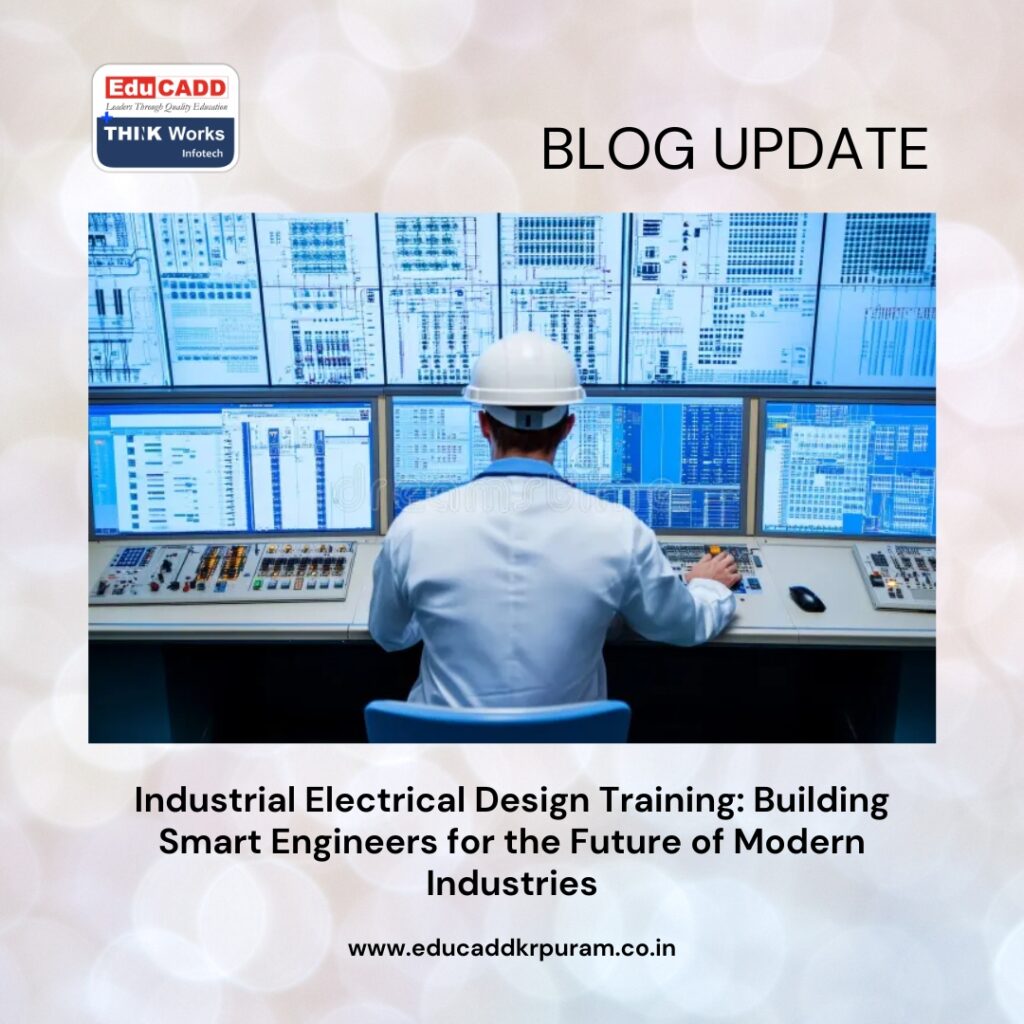
Industrial Electrical Design Training
This detailed blog explains how industrial electrical design training supports career development, improves technical expertise, and creates excellent employment opportunities in the engineering industry. It also explores the growing importance of automation, electrical safety, industrial software, and practical project experience in shaping successful electrical engineering careers.
Understanding the Fundamentals of Industrial Electrical Design
Industrial electrical design refers to the planning and development of electrical systems used in industrial facilities and manufacturing environments. These systems supply power to machines, automation equipment, lighting systems, and industrial processes. Proper electrical design is extremely important because it ensures operational efficiency, equipment safety, and uninterrupted production activities.
Industrial Electrical Design Training begins with the fundamentals of electrical engineering. Students learn about electrical circuits, current flow, voltage systems, electrical loads, and power distribution methods. Understanding these concepts is essential because every industrial system depends on stable and efficient electrical performance.
The training also focuses on practical implementation. Students work on industrial layouts, electrical drawings, and project simulations that reflect real engineering conditions. This practical exposure improves technical confidence and prepares learners for professional responsibilities in industrial sectors.
Why Industrial Electrical Design Training Is Important Today
The industrial sector has changed significantly due to automation and technological advancements. Factories now rely on automated machinery and intelligent production systems that require advanced electrical planning and maintenance. Because of this change, industries need professionals who understand both traditional electrical systems and modern automation technologies.
Industrial Electrical Design Training has become important because it prepares students for these evolving industry requirements. The program teaches practical industrial applications instead of only theoretical concepts. Learners understand how electrical systems function in real industrial environments and how engineers solve technical challenges during project execution.
In addition, industries prefer candidates who can immediately contribute to projects without requiring extensive additional training. Professionals with specialized industrial electrical knowledge are therefore more attractive to employers and often receive better career opportunities.
Practical Learning and Its Impact on Engineering Careers
Practical learning plays a critical role in technical education. While theoretical knowledge provides a strong foundation, hands-on experience helps students understand how engineering concepts work in real industrial environments. Industrial electrical design training therefore emphasizes practical learning methods and live project exposure.
Another major advantage of practical learning is improved problem-solving ability. Students learn how to identify faults, optimize electrical systems, and maintain industrial safety standards. These skills become extremely valuable during employment because industries prefer engineers who can manage technical challenges independently.
Practical exposure also improves communication and teamwork skills. During projects, students collaborate with trainers and peers, which helps them develop professional workplace behavior and technical presentation abilities.
Software Skills Included in Industrial Electrical Design Training
Modern engineering industries rely heavily on software technologies for electrical planning and project management. Engineers use advanced software tools to create electrical layouts, industrial drawings, automation systems, and power distribution plans with greater accuracy and efficiency.
Industrial electrical design training includes software-based learning because industries expect engineers to possess digital engineering skills. Students learn how to use professional software for electrical drafting, panel design, industrial automation, and technical documentation.
As industries continue adopting smart manufacturing technologies and automated systems, software knowledge will remain one of the most valuable skills in electrical engineering careers.
Career Opportunities After Completing Industrial Electrical Design Training
Industrial Electrical Design Training opens doors to numerous career opportunities across multiple engineering sectors. Since electricity powers every industrial operation, skilled electrical professionals remain in constant demand worldwide.
Graduates can work in manufacturing plants, electrical consulting firms, automation industries, construction companies, infrastructure projects, and renewable energy sectors. Common job roles include electrical design engineer, project engineer, automation engineer, PLC programmer, maintenance engineer, and control panel designer.
Experienced professionals may later move into senior technical positions, project management roles, or independent industrial consulting services. Therefore, industrial electrical design training supports both immediate employment and long-term professional growth.
Industrial Automation and the Future of Electrical Engineering
Industrial automation has transformed modern manufacturing systems completely. Factories now use automated machines, robotic systems, and intelligent monitoring technologies to improve productivity and maintain quality standards. This transformation has increased the importance of electrical engineers who understand automation systems.
Industrial electrical design training introduces students to automation technologies such as PLC systems, SCADA applications, industrial sensors, and motor control systems. These technologies help industries automate production processes and reduce manual intervention.
As industries continue adopting advanced automation systems, the demand for skilled electrical design professionals will continue growing rapidly in the coming years.
Electrical Safety and Industrial Standards
Electrical safety is one of the most important aspects of industrial engineering. Poor electrical design can lead to accidents, equipment failures, production downtime, and financial losses. Because of these risks, industrial electrical design training strongly focuses on safety standards and industrial regulations.
The training also teaches preventive maintenance strategies that help identify electrical issues before they become serious problems. These practices improve equipment lifespan and reduce maintenance costs for industries.
Professionals with strong safety knowledge are highly respected because they contribute directly to workplace protection and operational efficiency.
The Growing Importance of Infrastructure Development
Infrastructure development has increased significantly due to urbanization and industrial expansion. Modern infrastructure projects require advanced electrical systems to support buildings, transportation networks, factories, and commercial facilities.
Industrial electrical design professionals contribute greatly to infrastructure development projects. They design power distribution systems, lighting arrangements, backup power solutions, and industrial electrical installations.
The training helps students understand project planning methods, electrical documentation standards, and industrial coordination processes required for large infrastructure developments.
Benefits of Live Projects in Technical Education
Live project training provides valuable industry exposure that traditional classroom education often cannot deliver. Industrial electrical design programs that include project-based learning help students gain real-world engineering experience.
During live projects, students work on industrial layouts, automation systems, electrical panel designs, and troubleshooting tasks. This practical involvement improves technical confidence and enhances professional readiness.
Employers prefer candidates with project experience because they can adapt more quickly to industrial work environments. Therefore, live project training significantly improves employability and career growth opportunities.
Why Industries Prefer Skilled Electrical Design Professionals
Industries constantly seek professionals who can improve productivity, maintain safety standards, and reduce operational risks. Because of these expectations, companies prefer skilled electrical design professionals with practical industrial knowledge.
Industrial Electrical Design Training prepares students to meet industry demands effectively. Trained professionals understand industrial systems, automation technologies, electrical documentation, and project execution processes.
As industries continue adopting advanced technologies, skilled electrical design professionals will remain highly valuable across all engineering sectors.
Future Trends in Industrial Electrical Design
The future of industrial electrical design is closely connected with technological innovation and industrial modernization. Emerging technologies are creating new opportunities for electrical engineers worldwide.
Sustainability has become another major focus area in engineering. Industries are developing energy-efficient electrical systems that reduce environmental impact and improve operational efficiency. Engineers with expertise in sustainable electrical design will therefore remain in high demand.
These future trends clearly indicate that industrial electrical design training will continue providing excellent career opportunities for aspiring engineers.
Choosing the Right Institute for Industrial Electrical Design Training
Selecting the right training institute is extremely important for technical and professional development. A good institute provides practical exposure, experienced trainers, updated software tools, and industry-focused curriculum.
Another important factor is placement assistance. Institutes with strong industry connections and placement support often help students secure better job opportunities after course completion.
Before joining any training program, students should carefully evaluate infrastructure facilities, software availability, practical learning methods, and trainer expertise.
Long-Term Professional Growth Through Specialized Training
Specialized technical education creates strong long-term career advantages for engineering professionals. Industrial electrical design training not only improves employability but also supports continuous professional growth.
Professionals with advanced industrial skills often receive promotions faster because industries value technical expertise and problem-solving abilities. Experienced engineers may later move into project management, industrial consulting, or leadership roles.
As industries continue expanding globally, professionals with specialized electrical design skills will remain highly competitive in both domestic and international markets.
Global Demand for Industrial Electrical Design Experts
Industrial growth is increasing worldwide, especially in manufacturing, automation, infrastructure, and renewable energy sectors. This global expansion has created strong demand for skilled industrial electrical design professionals.
Multinational companies require engineers who can manage industrial electrical systems according to international standards and safety regulations. Industrial electrical design training helps candidates develop these industry-ready skills.
Countries investing heavily in smart manufacturing and infrastructure modernization continue creating new technical roles for electrical engineers. This growing demand ensures long-term career stability for skilled professionals.
Conclusion
Industrial Electrical Design Training has become an essential pathway for students and professionals who want to build successful engineering careers in modern industries. Today’s industrial sector depends heavily on efficient electrical systems, automation technologies, and intelligent manufacturing solutions. Because of this dependency, the demand for skilled electrical design professionals continues increasing rapidly across the world.
This specialized training helps learners develop practical skills, software knowledge, industrial safety awareness, and technical confidence that directly improve employability. From infrastructure projects and industrial automation to renewable energy systems and advanced manufacturing technologies, electrical design professionals contribute significantly to industrial progress and technological innovation.
For aspiring engineers, diploma holders, electricians, and working professionals, industrial electrical design training provides a strong foundation for long-term career success in the evolving world of engineering and industrial technology.

