
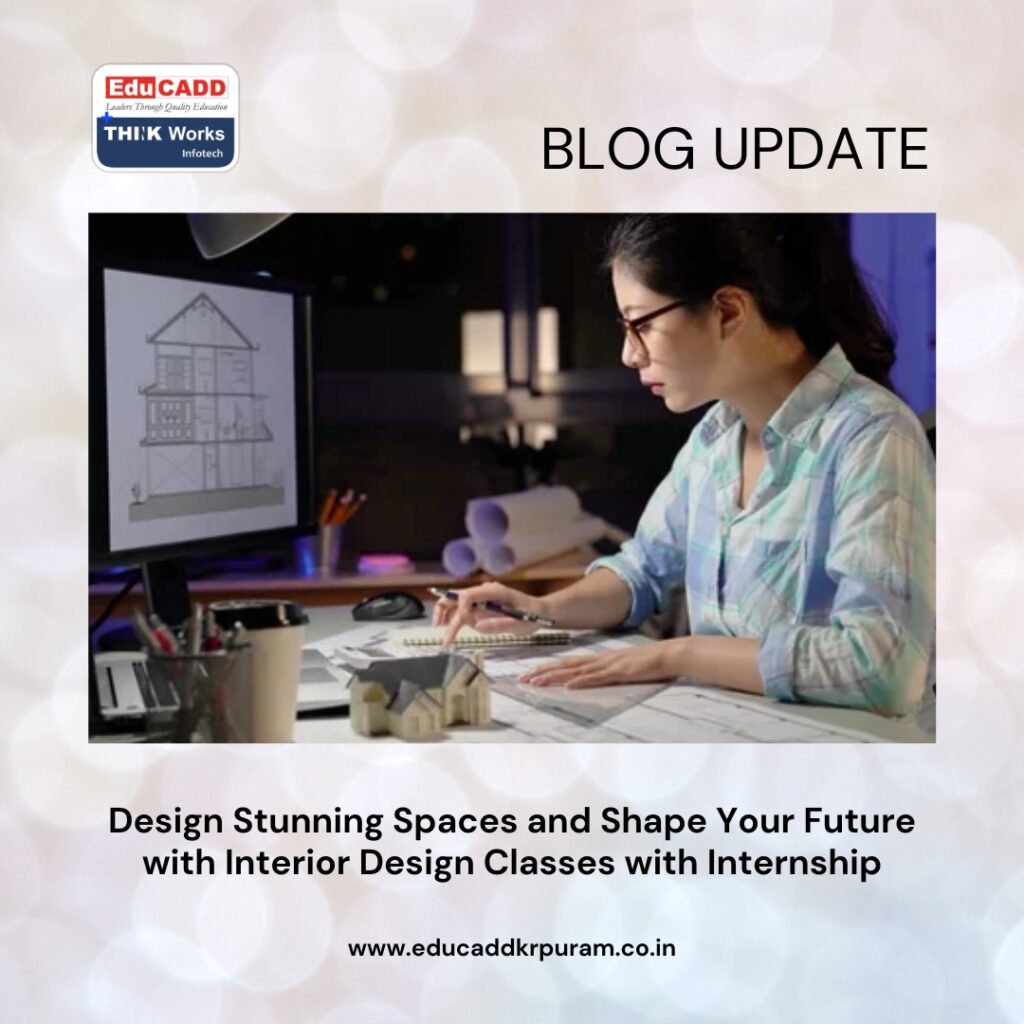
Design Stunning Spaces and Shape Your Future with Interior Design Classes with Internship
Interior design has emerged as one of the most creative and rewarding career options in today’s modern world. As people focus more on stylish living spaces and functional commercial environments, the demand for professional interior designers continues to increase rapidly. Homes, offices, hotels, retail stores, restaurants, and luxury apartments all require experts who can transform ordinary spaces into attractive and comfortable environments. Because of this growing demand, many students now choose Interior Design Classes Internship programs that provide practical exposure along with theoretical learning.
Interior Design Classes Internship
Unlike traditional education methods, Interior Design Classes Internship prepare students for real industry challenges. These programs help learners understand design concepts, software applications, project execution, and client communication in a professional environment. Moreover, internships allow students to gain hands-on experience before entering the job market. This practical learning process improves confidence, creativity, and technical expertise. Therefore, joining interior design classes with internship can become the perfect pathway toward a successful and exciting design career.
Why Interior Design Has Become a Fast-Growing Industry
The interior design industry has experienced remarkable growth during the past few years. Modern lifestyles and urban development have changed the way people think about interiors. Today, individuals want spaces that not only look beautiful but also provide comfort, functionality, and smart organization. Consequently, the need for skilled interior designers has increased significantly.
Businesses also invest heavily in professional interiors because attractive environments improve customer experiences and employee productivity. Corporate offices now focus on modern workspace designs, while hotels and restaurants aim to create memorable customer experiences through creative interiors. As a result, trained professionals from interior design classes with internship receive opportunities in multiple sectors.
Furthermore, the expansion of the real estate industry has created additional demand for qualified designers. Every new residential and commercial project requires expert planning and aesthetic development, making interior design a stable and future-oriented profession.
Importance of Internship-Based Interior Design Courses
Many students believe that creativity alone is enough to succeed in interior design. However, the industry requires practical knowledge, technical expertise, and professional exposure as well. This is why interior design classes with internship provide much greater value than ordinary classroom training.
Internships help students apply theoretical concepts in real working environments. During this phase, learners participate in live projects, client meetings, site visits, and project discussions. They observe how experienced designers manage layouts, materials, budgets, and deadlines effectively.
Practical exposure also teaches students how to handle unexpected project challenges. They learn how to solve design problems creatively while maintaining client satisfaction. Consequently, students develop confidence and professional understanding before starting their careers.
In addition, internships help learners understand workplace discipline and teamwork. These experiences prepare students for professional responsibilities and improve their employability significantly.
Learning the Fundamentals of Interior Design
Every successful interior designer begins with strong foundational knowledge. Therefore, professional interior design classes with internship focus on teaching core design principles in detail. Students learn concepts such as balance, symmetry, color psychology, lighting techniques, texture combinations, and spatial planning.
Understanding these principles helps learners create interiors that are both visually appealing and highly functional. Students also study how furniture placement, lighting arrangements, and decorative elements influence the atmosphere of a room.
Moreover, design training introduces learners to different interior styles, including contemporary, minimalist, industrial, classic, and modern themes. This exposure allows students to explore multiple creative approaches and identify their personal design preferences.
By mastering these basics, students build a strong foundation that supports advanced learning and practical project execution later in their careers.
Role of Technology in Modern Interior Design
Technology has transformed the interior design industry completely. Today, professional designers use advanced digital tools to create layouts, 3D visualizations, and realistic presentations. Therefore, software training has become an essential part of modern interior design classes with internship.
Students usually learn industry-standard applications such as AutoCAD, SketchUp, Revit, 3ds Max, and Photoshop. These tools help designers prepare detailed floor plans and high-quality visual representations before actual implementation begins.
Software training also improves creativity because students can experiment with colors, textures, lighting, and furniture arrangements digitally. This process allows designers to present multiple design options to clients more efficiently.
Furthermore, companies prefer candidates with strong software knowledge because digital tools increase project accuracy and productivity. Consequently, technical expertise gives students a competitive advantage in the job market.
Benefits of Working on Live Interior Projects
One of the greatest advantages of interior design classes with internship is the opportunity to work on live projects. Real-time project exposure helps students understand the practical side of the profession in a much deeper way.
During internships, students visit construction sites, interact with vendors, observe material selection processes, and participate in project planning meetings. These experiences help learners understand how interior projects move from initial concepts to final execution.
Working on live assignments also develops problem-solving skills. Interior projects often involve design modifications, budget adjustments, and space limitations. Students learn how professionals manage these challenges efficiently without compromising design quality.
Additionally, practical experience improves decision-making abilities. Students become more confident while selecting materials, preparing layouts, and presenting ideas to clients.
Essential Skills Developed Through Interior Design Training
Interior design is a combination of creativity, technical knowledge, and communication abilities. Therefore, professional interior design classes with internship focus on developing multiple skills simultaneously.
Students gain expertise in drafting, space planning, furniture arrangement, lighting design, and 3D visualization. Alongside technical learning, they also improve presentation skills, teamwork abilities, and professional communication.
Important skills students develop during training include:
- Space utilization and layout planning
- 3D modeling and rendering techniques
- Creative thinking and visualization
- Client communication and project presentation
- Time management and project coordination
These abilities help students perform effectively in professional environments and increase their chances of career success.
Portfolio Development for Career Growth
A strong portfolio is extremely important in the interior design industry. Employers and clients often judge a designer’s abilities through portfolio presentations before assigning projects or job opportunities. Therefore, interior design classes with internship place strong emphasis on portfolio creation.
Students build portfolios by including floor plans, design concepts, mood boards, furniture layouts, and 3D renderings created during training. Internship projects also become valuable additions because they demonstrate practical experience and professional involvement.
An impressive portfolio reflects creativity, technical expertise, and problem-solving abilities. It helps students stand out during interviews and client presentations. Moreover, freelancers can use portfolios to attract new customers and expand their professional networks.
As a result, portfolio development plays a major role in building a successful design career.
Career Opportunities After Completing Interior Design Training
The interior design industry offers diverse career options for creative professionals. Students who complete interior design classes with internship can explore opportunities across residential, commercial, and industrial sectors.
Many graduates work as residential interior designers who specialize in luxury homes and apartments. Others join commercial firms that design offices, hotels, cafes, hospitals, and retail stores. Some students also pursue careers in furniture design, exhibition design, and architectural visualization.
Popular job roles include interior designer, CAD designer, 3D visualizer, project coordinator, design consultant, and space planner. Furthermore, experienced designers often establish independent studios or freelance businesses.
The growing construction and real estate sectors continue to create high demand for skilled professionals. Consequently, trained interior designers enjoy excellent career growth and attractive salary opportunities.
Importance of Creativity in Interior Design Careers
Creativity forms the heart of interior design. Every client expects unique ideas that combine beauty with functionality. Therefore, interior design classes with internship encourage students to think creatively and explore innovative concepts.
Practical learning environments inspire creativity more effectively because students gain exposure to real projects and industry trends. During internships, learners observe different design styles, customer preferences, and space challenges. This experience broadens their creative understanding significantly.
Creative designers can transform simple spaces into visually stunning environments through thoughtful planning and artistic vision. Moreover, originality helps designers build strong reputations in the competitive market.
Interior design training also teaches students how to balance creativity with practicality. This balance ensures that designs remain functional while maintaining aesthetic appeal.
Building Professional Confidence Through Internships
Confidence is essential for every successful interior designer. Professionals regularly communicate with clients, contractors, suppliers, and architects throughout project execution. Therefore, students must develop strong communication and presentation skills during training.
Interior design classes with internship provide excellent opportunities for confidence building. Students participate in client discussions, site visits, design presentations, and collaborative projects during internships.
Practical exposure reduces hesitation and improves professional communication abilities. Students gradually become comfortable explaining concepts, handling responsibilities, and making design decisions independently.
Additionally, internships help learners understand workplace expectations and professional ethics. These experiences prepare students to handle real-world situations effectively after course completion.
Choosing the Right Interior Design Institute
Selecting the right training institute plays a major role in career development. A good institute provides quality education, experienced faculty, practical exposure, software training, and placement assistance.
Students should carefully evaluate course curriculum, infrastructure, internship opportunities, and industry connections before enrolling in interior design classes with internship. Institutes that focus on practical learning generally provide better career preparation.
Important factors to consider while selecting an institute include:
- Experienced trainers and industry professionals
- Modern computer labs and software access
- Internship opportunities and live project exposure
- Placement support and portfolio guidance
- Positive student feedback and reputation
Choosing the right educational environment can greatly influence future success in the interior design field.
Future Scope of Interior Design Professionals
The future of interior design looks highly promising because modern lifestyles continue to evolve rapidly. People now prioritize comfort, luxury, and smart functionality in both residential and commercial spaces. As a result, the demand for professional interior designers will continue to increase.
Sustainable design and eco-friendly interiors are also becoming major industry trends. Designers who understand energy-efficient planning and environmentally responsible materials will enjoy excellent opportunities in the future.
Furthermore, digital technology and social media platforms have expanded career possibilities for designers. Professionals can now showcase their work globally and attract clients from different locations through online platforms.
Students who complete interior design classes with internship therefore gain access to long-term career growth, creative satisfaction, and financial stability in an expanding industry.
Conclusion
Interior Design Classes Internship is one of the few professions that successfully combines creativity, technology, and practical problem-solving. However, building a successful career in this field requires more than artistic talent alone. Students need technical knowledge, software expertise, practical exposure, and professional confidence to succeed in the competitive design industry. This is why joining interior design classes with internship offers a major advantage for aspiring designers.
These programs provide hands-on experience, live project exposure, software training, and portfolio development opportunities that prepare students for real-world careers. Internships also help learners understand industry standards, improve communication skills, and build valuable professional networks.
As the demand for innovative and functional interiors continues to grow across residential and commercial sectors, trained interior designers will remain highly valuable. Therefore, students who invest in professional interior design education today can build a rewarding future filled with creativity, growth, and exciting career opportunities.

