
Electrical Drafting Beyond CAD: The Hidden Force Behind Modern Engineering Success
As technology continues to transform engineering and construction industries, many professionals wonder whether Electrical Drafting Engineering Success still holds value in a world dominated by Computer-Aided Design (CAD) software. Since modern drafting tools can create drawings faster and with greater accuracy than traditional methods, some assume that electrical drafting has become less important. However, this assumption overlooks the true purpose of drafting within engineering projects. CAD software may have revolutionized the drafting process, but it has not replaced the expertise, technical knowledge, and decision-making abilities required to produce effective electrical documentation. In fact, the increasing complexity of electrical systems has made professional electrical drafting more critical than ever before.
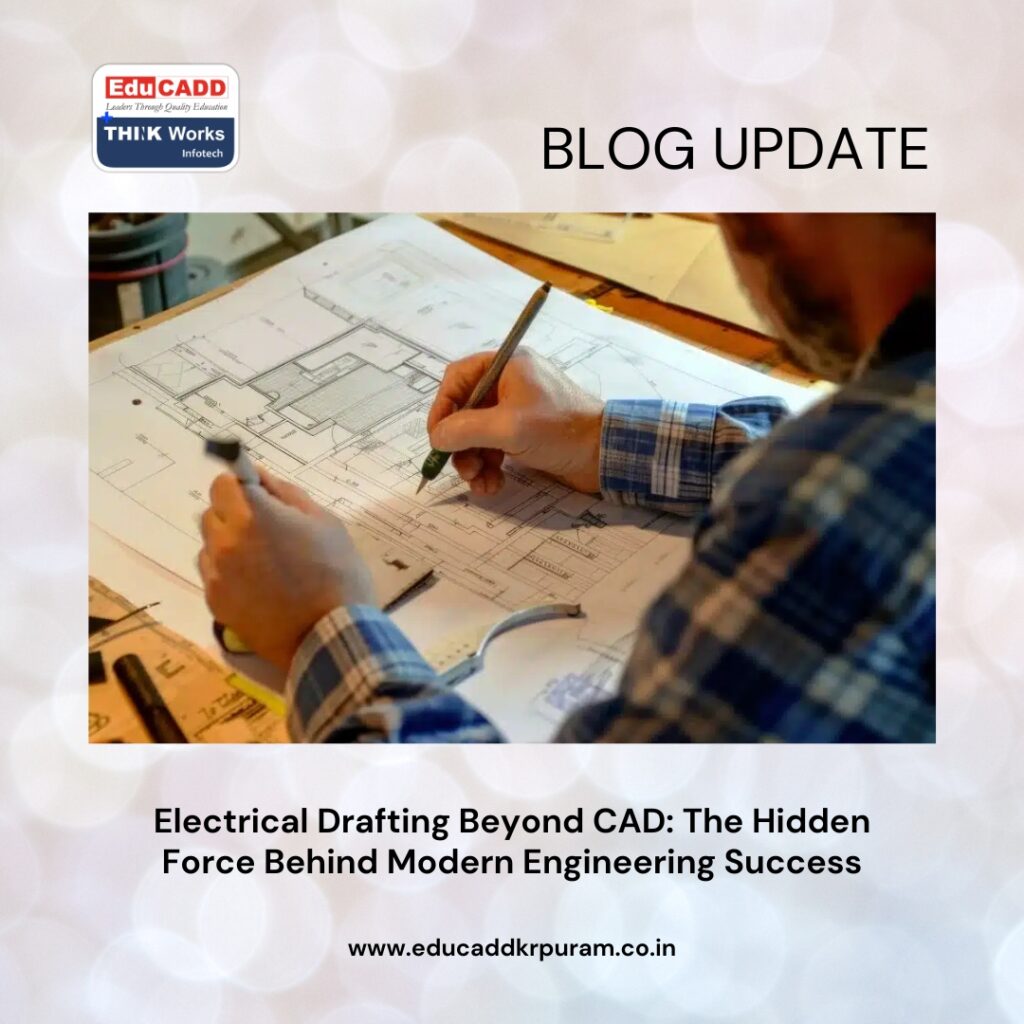
Electrical Drafting Engineering Success
Every major project, from residential developments and commercial buildings to industrial facilities and renewable energy installations, depends on accurate electrical drawings to ensure proper design, installation, and operation. Therefore, while the tools have evolved significantly, the importance of electrical drafting remains firmly intact in today’s digital engineering environment.
Understanding the Foundation of Electrical Drafting
Electrical Drafting Engineering Success serves as the foundation of successful electrical engineering projects. It involves the preparation of detailed technical drawings that communicate how electrical systems should be designed, connected, installed, and maintained. These drawings include power distribution layouts, wiring diagrams, lighting plans, control schematics, equipment arrangements, and various supporting documents. Electrical drafters transform engineering concepts into visual representations that contractors, technicians, project managers, and inspectors can easily understand.
Without this level of documentation, project execution would become far more complicated and prone to costly errors. Furthermore, electrical drawings provide consistency throughout a project lifecycle, ensuring that everyone involved follows the same design intent. As projects continue becoming larger and more sophisticated, the need for clear and comprehensive electrical documentation grows stronger, reinforcing the importance of skilled drafting professionals.
How CAD Revolutionized the Drafting Process
The introduction of CAD technology marked one of the most significant advancements in engineering documentation. Before CAD became widely available, drafters relied on manual tools such as pencils, rulers, drafting tables, and templates to create technical drawings. Producing revisions often required extensive effort and time. CAD software transformed this process by enabling faster modifications, improved precision, and enhanced productivity. Today, Electrical Drafting Engineering Success can create highly detailed drawings while maintaining consistency across large projects. However, CAD should be viewed as a powerful tool rather than a replacement for professional expertise.
Software can automate repetitive tasks, but it cannot independently understand project requirements, interpret engineering objectives, or resolve design challenges. Therefore, CAD has enhanced the profession by improving efficiency while increasing expectations for technical accuracy and project coordination.
The Growing Complexity of Modern Electrical Systems
Modern electrical systems are significantly more advanced than those used in previous generations. Buildings now incorporate intelligent lighting controls, automated energy management systems, advanced communication networks, security infrastructure, and integrated automation technologies. Industrial facilities utilize robotics, programmable logic controllers, sophisticated monitoring systems, and interconnected production equipment. These advancements have increased the complexity of electrical design and documentation requirements.
Electrical Drafting Engineering Success must accurately represent thousands of interconnected components while ensuring that every system functions properly within the overall project environment. As complexity continues to rise, organizations require experienced professionals who understand both technical principles and modern drafting technologies. Consequently, electrical drafting remains a crucial element of successful engineering execution.
Why Construction Projects Still Depend on Electrical Drafting
The construction industry continues to rely heavily on detailed Electrical Drafting Engineering Success throughout every project phase. Before construction begins, electrical drawings help stakeholders visualize system layouts, estimate costs, plan installations, and coordinate activities. During construction, contractors use these drawings as primary references for implementing electrical infrastructure according to design specifications. After project completion, facility managers and maintenance teams depend on the same documentation for ongoing operations and future upgrades.
Without accurate electrical drawings, construction projects face increased risks of delays, miscommunication, and costly rework. Electrical drafting provides the clarity and structure necessary for smooth project execution. Therefore, despite advancements in software and automation, electrical drafting remains indispensable within the construction sector.
Electrical Drafting Enhances Safety and Regulatory Compliance
Safety represents one of the most important aspects of electrical engineering. Improperly designed or poorly documented systems can create serious hazards, including equipment failures, electrical fires, operational disruptions, and personal injuries. Electrical drafting plays a critical role in preventing these issues by ensuring that designs are documented clearly and accurately. Drafters prepare detailed drawings that demonstrate circuit arrangements, grounding methods, protective devices, emergency systems, and equipment connections.
Additionally, regulatory authorities often require electrical documentation before approving projects. Proper drafting helps organizations meet industry standards and comply with local regulations. As safety requirements continue evolving, accurate electrical drawings remain essential for protecting people, equipment, and investments throughout a project’s lifespan.
The Rise of Smart Infrastructure Has Increased Demand
Cities and businesses worldwide are investing heavily in smart infrastructure initiatives designed to improve efficiency, sustainability, and operational performance. Smart buildings, intelligent transportation systems, connected utilities, and automated facilities all require sophisticated electrical networks. These projects involve extensive coordination among multiple disciplines and technologies, making accurate documentation more important than ever. Electrical drafters help create organized and detailed plans that support successful implementation of smart infrastructure systems.
Important areas where electrical drafting supports smart infrastructure include:
- Smart lighting and energy management systems
- Intelligent security and surveillance networks
As urban development continues embracing digital transformation, electrical drafting professionals play an increasingly important role in delivering innovative infrastructure solutions.
Renewable Energy Projects Require Precise Documentation
The global shift toward cleaner energy sources has created significant opportunities for electrical drafting professionals. Solar energy facilities, wind farms, battery storage systems, and electric vehicle charging networks all depend on detailed electrical designs. These projects involve complex power generation, transmission, and distribution systems that require accurate documentation to ensure reliability and efficiency. Electrical drafters create wiring diagrams, equipment layouts, connection schematics, and power distribution plans that guide project implementation.
Furthermore, renewable energy systems often integrate with existing utility infrastructure, requiring careful coordination and planning. As investments in sustainable energy continue growing worldwide, electrical drafting remains an essential component of successful renewable energy development.
Human Expertise Continues to Deliver Value
Despite advances in automation and software intelligence, human expertise remains irreplaceable within electrical drafting. Technology can assist with drawing production, but it cannot replicate the judgment, creativity, and problem-solving abilities of experienced professionals. Electrical drafters analyze project requirements, anticipate installation challenges, and identify potential design conflicts before construction begins.
They understand industry standards, practical installation methods, and operational considerations that software alone cannot evaluate effectively. Additionally, they collaborate closely with engineers, architects, contractors, and project managers to ensure successful outcomes. This combination of technical knowledge and practical experience continues to create substantial value for organizations across every industry sector.
Building Information Modeling Has Expanded Professional Opportunities
Building Information Modeling, commonly known as BIM, has transformed the way modern projects are planned and managed. Unlike traditional two-dimensional drafting, BIM enables project teams to work within intelligent three-dimensional digital environments. Electrical drafters now contribute directly to comprehensive project models that integrate electrical, mechanical, structural, and architectural information.
This expanded role has increased both the scope and importance of electrical drafting within project workflows. BIM improves coordination, reduces design conflicts, and enhances decision-making throughout project development. As more organizations adopt BIM technologies, professionals with expertise in both electrical drafting and digital modeling continue to experience growing career opportunities and industry demand.
Industrial Automation Keeps Drafting Relevant
Manufacturing and industrial operations increasingly depend on automation technologies to improve productivity and operational efficiency. Modern facilities use advanced control systems, robotics, instrumentation networks, and automated production equipment that require detailed technical documentation. Electrical drafters create the schematics and wiring diagrams necessary for installing, operating, and maintaining these systems. Their work provides essential information that helps technicians troubleshoot problems, perform upgrades, and support ongoing operations.
Without accurate documentation, maintaining automated facilities would become significantly more difficult and expensive. As industries continue investing in automation technologies, electrical drafting remains a valuable and necessary profession within the manufacturing sector.
Electrical Documentation Supports Long-Term Asset Management
The value of electrical drafting extends far beyond initial project completion. Once facilities become operational, electrical drawings serve as critical references for maintenance, troubleshooting, renovations, and system expansions. Facility managers rely on accurate documentation to understand system configurations, locate equipment, and plan modifications efficiently. Well-maintained drawings reduce downtime, improve maintenance effectiveness, and support informed decision-making. Moreover, organizations often use historical electrical documentation when planning future upgrades or expansions.
Because electrical systems evolve throughout their operational lives, comprehensive drafting continues providing benefits for many years after construction concludes. This long-term value further highlights the importance of professional electrical drafting services.
Career Opportunities Continue to Grow Across Industries
Electrical drafting offers diverse and rewarding career opportunities across numerous industries. Engineering consultancies, construction companies, manufacturing organizations, energy providers, telecommunications firms, and infrastructure developers all require qualified drafting professionals. Employers increasingly seek individuals who possess strong technical knowledge alongside proficiency in CAD, BIM, and other digital design tools.
Some of the most common career pathways include:
- Electrical CAD Designer and Drafting Technician
- BIM Electrical Modeler and Design Coordinator
As technology continues advancing, professionals who continually update their skills can access exciting career opportunities with strong growth potential and long-term stability.
The Future of Electrical Drafting in a Technology-Driven World
The future of electrical drafting remains bright despite ongoing technological change. Emerging innovations such as artificial intelligence, cloud-based collaboration platforms, digital twins, and advanced simulation software will continue influencing engineering workflows. However, these technologies are expected to enhance drafting capabilities rather than eliminate the need for skilled professionals.
Electrical Drafting Engineering Success will increasingly work within integrated digital environments that combine design, analysis, and operational data. Their responsibilities may evolve, but their expertise will remain essential for transforming engineering concepts into practical solutions. Organizations will continue valuing professionals who can bridge the gap between technology and real-world implementation while ensuring accuracy, safety, and efficiency throughout project lifecycles.
Conclusion
The belief that CAD technology has made electrical drafting obsolete fails to recognize the true nature of the profession. While digital tools have dramatically improved drafting efficiency and productivity, they have not replaced the technical expertise required to create accurate and effective electrical documentation. Electrical Drafting Engineering Success continues supporting construction projects, industrial facilities, renewable energy developments, smart infrastructure initiatives, and countless other engineering applications. Skilled professionals provide the knowledge, judgment, and coordination necessary to transform complex designs into successful real-world systems.
As industries continue evolving and embracing new technologies, the demand for qualified electrical drafting professionals is expected to remain strong. Rather than disappearing in the CAD age, electrical drafting has evolved into a more dynamic, valuable, and indispensable profession that continues shaping the future of modern engineering.

