
Industrial Electrical Design: Powering Smart Industries with Safe, Efficient, and Future-Ready Electrical Systems
Industrial Electrical Design Systems is the foundation of every modern manufacturing plant, processing facility, and industrial infrastructure. It ensures that electrical systems operate safely, efficiently, and reliably while supporting continuous production and business growth. From designing power distribution networks to selecting the right electrical equipment, every stage requires technical expertise and careful planning. As industries embrace automation, digitalization, and energy-efficient solutions, the demand for skilled professionals in Industrial Electrical Design continues to rise. This field offers exciting career opportunities for engineers, designers, technicians, and students who want to contribute to the future of industrial development.
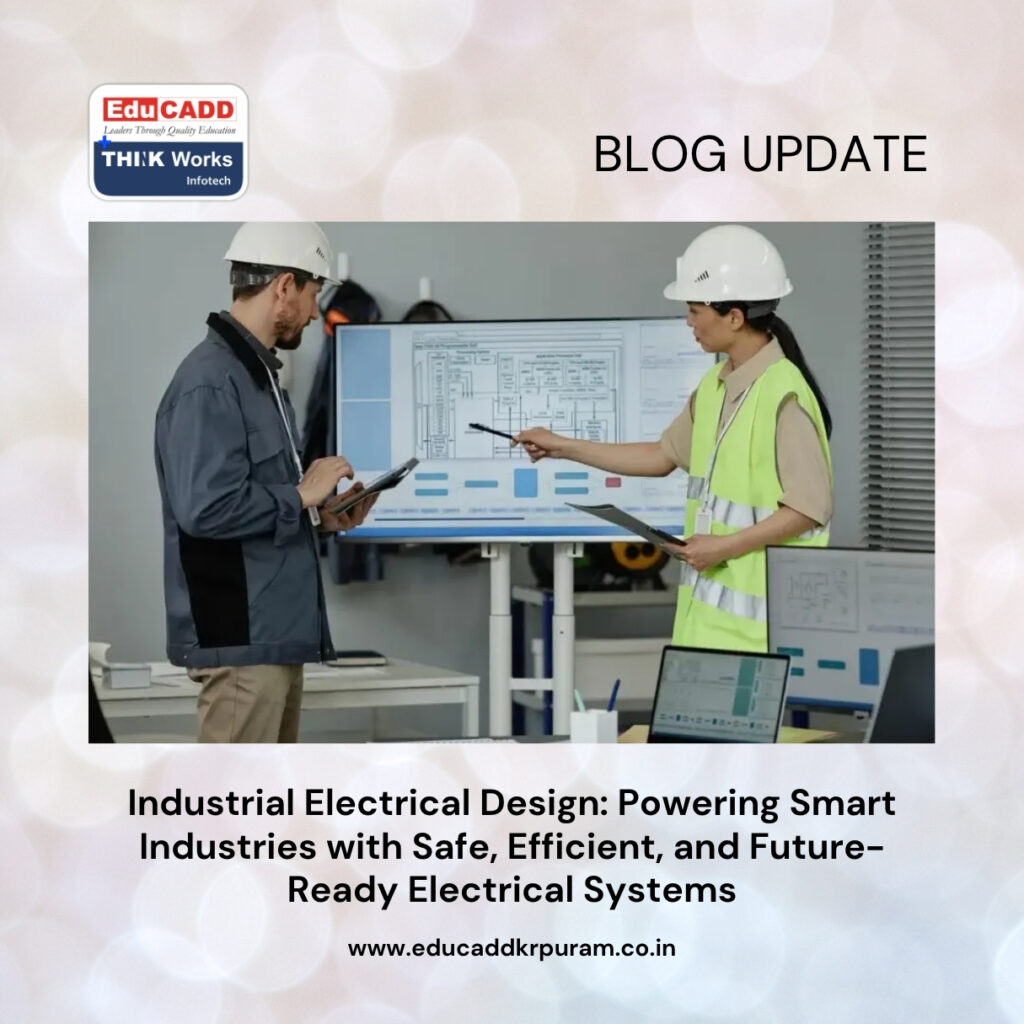
Industrial Electrical Design Systems
Understanding the Importance of Industrial Electrical Design
Industrial Electrical Design Systems focuses on creating electrical systems that meet the operational requirements of industrial facilities. Every manufacturing unit depends on a stable and efficient electrical network to keep machinery running without interruption. Proper planning minimizes downtime, reduces maintenance costs, and improves workplace safety. Moreover, industries must comply with national and international electrical standards, making professional design an essential part of every project. A well-designed electrical system supports productivity while ensuring long-term operational success.
Building a Strong Electrical Infrastructure
Every industrial project begins with a detailed assessment of power requirements. Engineers calculate electrical loads, identify equipment needs, and determine future expansion possibilities. This planning stage ensures that the electrical infrastructure can support current operations as well as future growth. Furthermore, accurate load calculations prevent overloading and reduce unnecessary energy consumption. A strong electrical infrastructure creates the foundation for reliable industrial performance and sustainable development.
Designing Efficient Power Distribution Systems
Power distribution is one of the most critical components of Industrial Electrical Design. Electricity must reach every machine, control panel, and utility system safely and efficiently. Designers develop single-line diagrams, select transformers, design switchgear layouts, and determine cable routing. Additionally, proper distribution reduces voltage drops and improves equipment performance. Efficient power distribution ensures smooth operations while minimizing energy losses throughout the facility.
Selecting the Right Electrical Equipment
Choosing suitable electrical equipment directly impacts system reliability and safety. Engineers evaluate motors, circuit breakers, transformers, cables, bus ducts, and protection devices based on operational requirements. Every component must meet industry standards and withstand demanding industrial conditions. Furthermore, selecting energy-efficient equipment lowers operating costs and supports environmental sustainability. High-quality equipment increases system lifespan while reducing unexpected failures and maintenance expenses.
Ensuring Safety Through Proper Protection Systems
Safety remains a top priority in every Industrial Electrical Design project. Protective devices safeguard equipment, employees, and the entire facility from electrical faults. Engineers design grounding systems, lightning protection, overload protection, and short-circuit protection to minimize risks. Additionally, emergency shutdown systems improve response during critical situations. Following safety standards creates a secure working environment while maintaining uninterrupted industrial operations.
The Role of Control Panels in Industrial Operations
Control panels act as the command center of Industrial Electrical Design Systems. They monitor, control, and distribute electrical power to various equipment across the facility. Designers carefully arrange components to simplify maintenance and improve accessibility. Modern control panels often integrate programmable logic controllers (PLCs), human-machine interfaces (HMIs), and communication devices. These technologies enhance operational efficiency while supporting advanced automation systems.
Integrating Automation with Industrial Electrical Design
Automation has transformed modern industries by increasing productivity and reducing manual intervention. Industrial Electrical Design plays a vital role in integrating automated systems into manufacturing processes. Engineers design electrical circuits that support sensors, actuators, robotic systems, and programmable controllers. Moreover, automation improves product quality, reduces production errors, and enhances workplace safety. As Industry 4.0 expands globally, automation skills have become increasingly valuable for electrical professionals.
Energy Efficiency and Sustainable Industrial Design
Industries constantly seek ways to reduce energy consumption and operating expenses. Industrial Electrical Design helps achieve these goals through energy-efficient equipment selection, optimized power distribution, and intelligent monitoring systems. Engineers also incorporate variable frequency drives, energy meters, and power factor correction systems into their designs. Consequently, organizations reduce electricity costs while lowering their environmental impact. Sustainable electrical design supports both business profitability and environmental responsibility.
Electrical Drawings and Documentation
Accurate documentation is essential for successful industrial projects. Engineers prepare electrical drawings, wiring diagrams, cable schedules, panel layouts, and equipment specifications before installation begins. These documents guide installation teams and simplify future maintenance activities. Furthermore, detailed documentation helps identify faults quickly and ensures compliance with project standards. Well-prepared drawings improve communication among engineers, contractors, and project managers throughout the project lifecycle.
Software Used in Industrial Electrical Design
Modern engineering relies heavily on advanced software tools to improve design accuracy and project efficiency. Professionals commonly use AutoCAD Electrical, EPLAN Electric P8, ETAP, Dialux, and Revit MEP for different aspects of Industrial Electrical Design. These applications simplify drafting, electrical analysis, load calculations, and documentation. Additionally, software reduces manual errors while improving collaboration among project teams. Digital tools enable faster project completion without compromising quality.
Industrial Standards and Regulatory Compliance
Compliance with electrical standards ensures the safety and reliability of industrial installations. Designers follow standards such as IEC, NEC, IEEE, and local electrical regulations throughout the design process. These guidelines define installation practices, equipment specifications, and safety requirements. Moreover, regulatory compliance minimizes legal risks and improves project acceptance. Organizations that prioritize standards build safer workplaces and maintain higher operational reliability.
Career Opportunities in Industrial Electrical Design
Industrial Electrical Design Systems offers rewarding career opportunities across multiple industries. Manufacturing plants, oil and gas companies, renewable energy projects, pharmaceutical industries, construction firms, and engineering consultancies actively recruit skilled electrical professionals. Job roles include Electrical Design Engineer, Electrical CAD Designer, Control Panel Designer, Project Engineer, Maintenance Engineer, and Automation Engineer. As industries continue expanding, qualified professionals can expect strong career growth and attractive salary packages.
Skills Required to Excel in Industrial Electrical Design
Success in Industrial Electrical Design requires both technical expertise and practical problem-solving abilities. Professionals should understand electrical circuits, power systems, industrial automation, motor control, electrical drafting, and safety regulations. Strong analytical thinking helps engineers identify efficient solutions for complex industrial challenges. Additionally, communication skills improve teamwork and project coordination. Continuous learning ensures professionals stay updated with emerging technologies and industry best practices.
Why Learning Industrial Electrical Design Creates a Competitive Advantage
Learning Industrial Electrical Design prepares students and professionals for the evolving industrial landscape. Practical training develops confidence in designing electrical systems, preparing technical documentation, and using industry-standard software. Employers value candidates who possess both theoretical knowledge and hands-on experience. Furthermore, certified training programs enhance employability and open doors to national as well as international career opportunities. As industries adopt advanced technologies, skilled electrical designers will remain in high demand.
Conclusion
Industrial Electrical Design Systems continues to shape the future of manufacturing, infrastructure, and industrial automation. It combines engineering knowledge, safety principles, advanced software, and innovative technologies to create reliable electrical systems that support efficient industrial operations. Organizations benefit from reduced downtime, improved energy efficiency, and enhanced workplace safety through well-planned electrical designs. At the same time, professionals gain access to rewarding career opportunities in a rapidly growing industry. By mastering Industrial Electrical Design, individuals build the skills needed to contribute to smarter industries, sustainable development, and the next generation of engineering excellence.

