
From Vision to Reality: Unlocking Creative Excellence with an Advanced Interior Design Course in Bangalore
Interior design has transformed into a sophisticated profession that blends creativity, technical expertise, and human-centered thinking. In a fast-growing city like Bangalore, interiors are no longer treated as an afterthought—they are a defining element of lifestyle, productivity, and brand identity. Whether it is a stylish home, a collaborative office, or a luxury retail space, well-designed interiors are shaping how people experience their surroundings. An Advanced Interior Design Course in Bangalore offers a structured pathway for individuals who want to turn their passion into a successful profession.
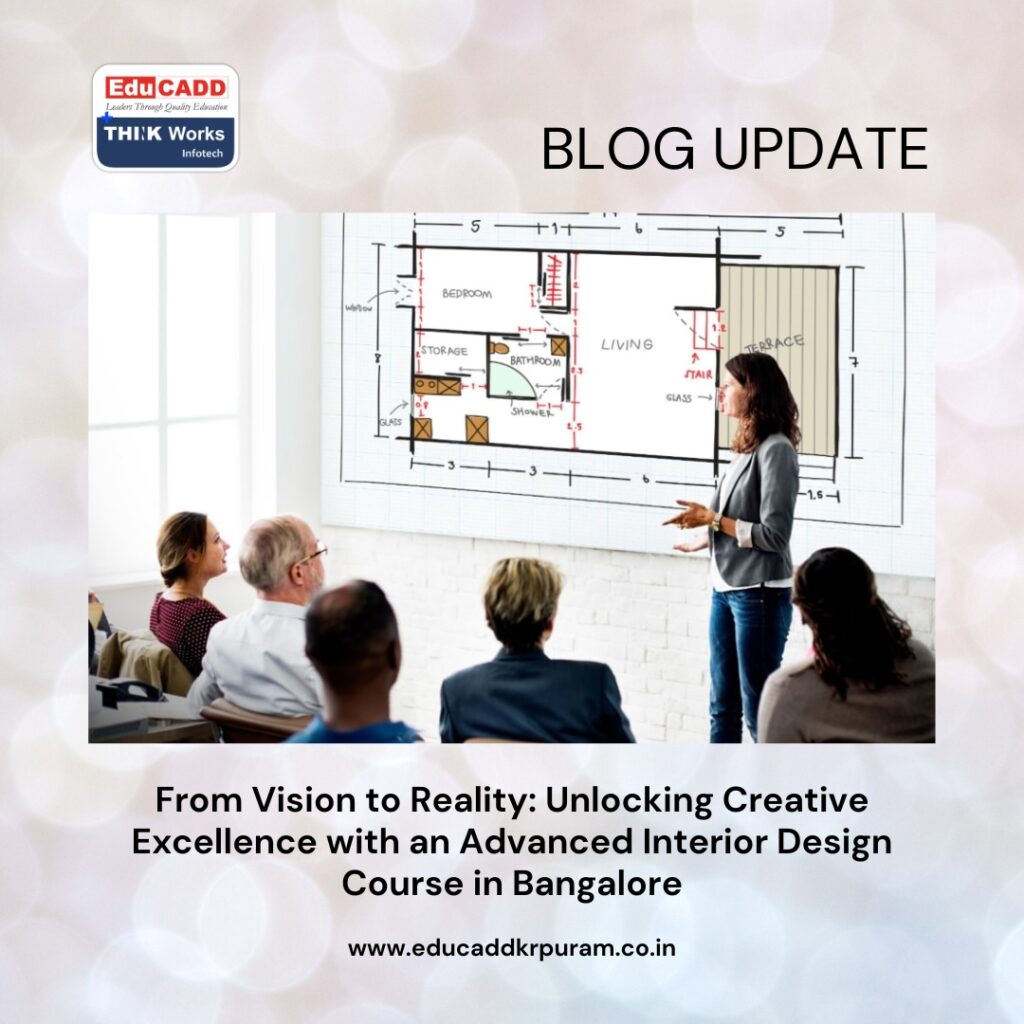
Advanced Interior Design Course
These programs are crafted to provide deep insights into design concepts, hands-on practice, and exposure to real industry scenarios. This detailed guide will help you understand how such a course can equip you with the skills, confidence, and knowledge needed to excel in the competitive world of interior design.
1. Bangalore’s Design Boom and Career Opportunities
Bangalore has emerged as one of India’s leading cities for real estate and infrastructure growth. With constant development in residential, commercial, and hospitality sectors, the demand for skilled interior designers has increased significantly. Clients today expect more than basic layouts; they want spaces that reflect personality, functionality, and modern aesthetics.
This growing demand has created a strong career landscape for interior designers. Professionals with advanced training are especially valued because they bring expertise and innovation to projects. By enrolling in an advanced interior design course in Bangalore, you gain access to a thriving market that offers stability, creativity, and long-term growth.
2. Understanding the Scope of an Advanced Course
An advanced interior design course is designed to go beyond foundational knowledge and focus on professional-level expertise. It introduces students to complex design challenges and equips them with the tools to solve them effectively.
Unlike beginner programs, these courses emphasize critical thinking, design strategy, and execution. Students learn how to handle projects from initial concept to final delivery. This comprehensive approach ensures that they are fully prepared to step into the industry with confidence and competence.
3. In-Depth Curriculum for Holistic Learning
The curriculum of an advanced course is carefully planned to provide a complete understanding of interior design. It covers both creative and technical aspects, ensuring that students develop a well-rounded skill set.
Key topics include spatial planning, advanced color theory, lighting techniques, furniture design, and material studies. Students also gain knowledge of construction methods and project workflows. This combination of subjects helps them understand how design ideas are translated into real-world applications.
4. Importance of Digital Design Tools
Technology has become an essential part of interior design. Advanced courses focus heavily on teaching industry-standard software that enables designers to create precise and visually appealing designs.
Students are trained in tools such as AutoCAD, SketchUp, and 3D visualization software. These tools allow designers to produce detailed drawings and realistic renderings, making it easier to communicate ideas to clients. As a result, designers can present their concepts clearly and professionally.
5. Skill Development for Professional Success
An advanced interior design course helps students develop a wide range of skills that are essential for a successful career. These include both technical expertise and interpersonal abilities.
- Creative problem-solving and innovative thinking
- Strong communication and presentation skills
In addition, students learn time management, budgeting, and project coordination. These skills enable them to handle multiple responsibilities efficiently while maintaining high standards of quality.
6. Practical Training and Industry Exposure
Practical experience is a key component of advanced interior design courses. It bridges the gap between theoretical knowledge and real-world application.
Students participate in workshops, internships, and site visits, gaining firsthand experience of the industry. They learn about construction processes, material selection, and client interactions. This exposure not only enhances their understanding but also builds confidence in handling professional projects.
7. Mastering Space Planning Techniques
Space planning is one of the most critical aspects of interior design. It involves organizing spaces in a way that maximizes functionality and comfort while maintaining visual appeal.
Advanced courses teach students how to analyze spaces, understand user requirements, and create efficient layouts. They also learn how to optimize limited space, which is particularly important in urban environments. Mastering this skill allows designers to deliver practical and aesthetically pleasing solutions.
8. The Role of Colors, Lighting, and Textures
Colors, lighting, and textures play a significant role in defining the character of a space. Advanced courses provide detailed knowledge of how these elements influence design outcomes.
Students learn how to select color palettes that create the desired mood and atmosphere. Lighting techniques are explored to enhance both functionality and visual interest. Additionally, understanding textures and materials helps designers create spaces that are both stylish and comfortable.
9. Sustainable and Future-Focused Design Practices
Sustainability is becoming increasingly important in the field of interior design. Clients are looking for eco-friendly solutions that reduce environmental impact and promote well-being.
Advanced courses teach students how to incorporate sustainable materials, energy-efficient lighting, and environmentally responsible design practices. Designers also learn how to create spaces that improve air quality and natural light. This knowledge not only benefits the environment but also adds value to their professional expertise.
10. Diverse Career Paths After Completion
An advanced interior design course opens up a wide range of career opportunities across various sectors. Graduates can choose roles that align with their interests and strengths.
- Interior designer or design consultant
- Project manager or space planning expert
Other career options include furniture design, exhibition design, and retail design. With experience, professionals can move into senior roles or even establish their own design firms.
11. Freelancing and Entrepreneurial Growth
Freelancing offers flexibility and creative freedom for interior designers. Bangalore provides a dynamic market where designers can work with diverse clients and projects.
Advanced courses often include training in business and entrepreneurship. Students learn about client acquisition, branding, and pricing strategies. This knowledge helps them build a successful freelance career or start their own design business.
12. Creating a Portfolio That Stands Out
A strong portfolio is essential for showcasing your skills and attracting opportunities. Advanced courses emphasize the importance of building a professional portfolio.
Students work on multiple projects and learn how to present their designs effectively. A well-structured portfolio highlights creativity, technical expertise, and problem-solving abilities. It serves as a powerful tool for securing jobs and clients.
13. Choosing the Right Institute in Bangalore
Selecting the right institute is a crucial step in your learning journey. It is important to consider factors such as course content, faculty experience, infrastructure, and placement support.
Institutes that offer practical training and industry exposure provide a significant advantage. A recognized certification also enhances your credibility, making you more competitive in the job market.
14. Emerging Trends in Interior Design
Interior design is constantly evolving, influenced by technological advancements and changing lifestyles. Advanced courses keep students updated with the latest trends and innovations.
Trends such as smart homes, minimalistic designs, and multifunctional spaces are gaining popularity. Designers are also focusing on wellness-oriented environments that promote comfort and productivity. Staying informed about these trends ensures long-term success in the industry.
Conclusion
Pursuing an Advanced Interior Design Course in Bangalore is a powerful step toward building a creative and rewarding career. The city’s dynamic environment and growing demand for skilled designers make it an ideal place to start your journey.
These courses provide comprehensive training, covering everything from design principles and software tools to practical experience and industry trends. They prepare you to not only enter the field but also excel in it.
If you are passionate about design and eager to create meaningful spaces, investing in the right education can open doors to endless opportunities. With dedication and the right guidance, you can transform your vision into reality and establish a successful career in interior design.

