
Digital Blueprint Mastery: Elevating Construction Success Through BIM Coordination and Collaboration Training
The architecture, engineering, and construction industry is undergoing a major shift as digital transformation reshapes how projects are designed, managed, and delivered. Conventional methods, which once depended on isolated drawings and limited coordination, are now being replaced by intelligent, data-driven workflows. At the center of this transformation lies BIM Coordination Training Program, a powerful approach that equips professionals with the skills needed to manage complex construction projects with precision and efficiency.
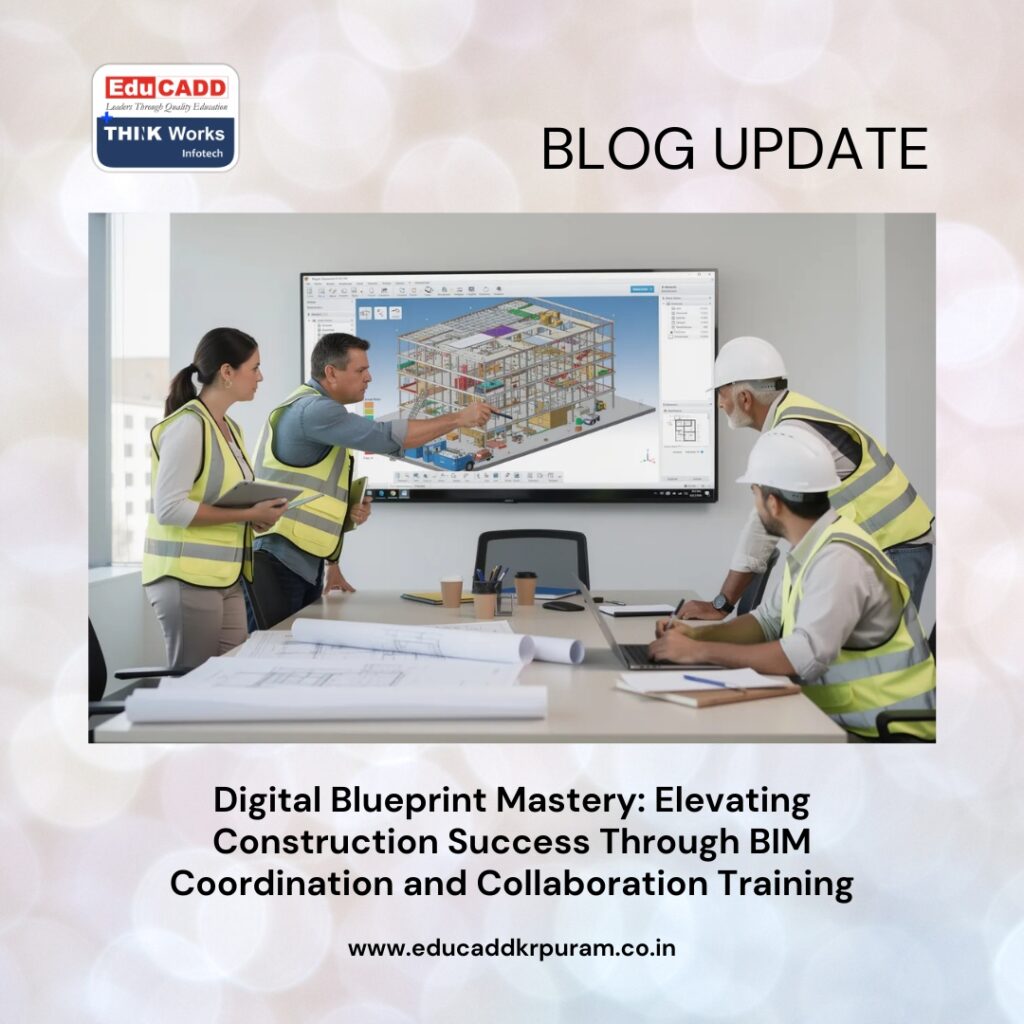
BIM Coordination Training Program
Building Information Modeling (BIM) is far more than a design tool. It acts as a collaborative ecosystem where multiple disciplines can work together seamlessly. Through effective coordination, professionals ensure that every element of a project fits perfectly within the overall structure. At the same time, collaboration enables real-time communication and decision-making, reducing delays and improving outcomes. This comprehensive blog explores how BIM Coordination Training Program is shaping modern construction careers and redefining project success.
1. The Core Principles of BIM Coordination
BIM coordination focuses on bringing together different design components into a unified digital model. Instead of working independently, professionals collaborate within a shared environment that promotes accuracy and consistency. This integrated approach ensures that all project elements align with one another from the initial design stage.
By identifying potential conflicts early, BIM coordination reduces the risk of costly errors during construction. For example, structural and mechanical systems can be checked for overlaps before they become real-world problems. As a result, project timelines are protected, and budgets remain under control.
Additionally, BIM coordination training teaches standardized workflows that improve efficiency. These workflows help professionals manage complex data and maintain a high level of accuracy throughout the project lifecycle.
2. Why Collaboration is Essential in BIM Workflows
Collaboration is the driving force behind successful BIM implementation. It allows various stakeholders to contribute their expertise within a shared digital platform. This interconnected approach ensures that everyone has access to the same information, reducing confusion and improving coordination.
Real-time collaboration enables teams to make faster decisions and adapt to changes effectively. Whether it is a design modification or a scheduling adjustment, all updates are instantly reflected across the system. This keeps the project moving forward without unnecessary delays.
Moreover, collaboration fosters a sense of accountability among team members. When everyone works within a transparent system, responsibilities are clearly defined, leading to better project management and improved outcomes.
3. Key Technologies Used in BIM Coordination Training
BIM coordination and collaboration training introduces professionals to advanced technologies that support efficient project execution. These tools are designed to handle large datasets, manage models, and facilitate communication across teams.
Among the most important technologies are:
- Software platforms that enable detailed model integration and clash analysis
- Cloud-based systems that support real-time collaboration and data sharing
By mastering these tools, professionals can enhance their technical capabilities and improve their ability to manage complex projects. This knowledge is essential for staying competitive in today’s construction industry.
4. Understanding Clash Detection and Its Impact
Clash detection is one of the most critical functions of BIM coordination. It involves identifying conflicts between different components within a digital model. For instance, a ventilation duct may intersect with a structural beam, creating a potential issue during construction.
Through proper training, professionals learn how to detect and resolve these conflicts efficiently. Addressing such issues during the design phase prevents costly rework and delays later in the project.
Furthermore, clash detection enhances overall project quality. By ensuring that all systems work together seamlessly, professionals can deliver structures that meet both functional and aesthetic requirements.
5. Enhancing Team Communication Through BIM
Effective communication is vital for the success of any construction project. BIM collaboration tools provide a centralized platform where team members can share information, discuss changes, and track progress.
This streamlined communication process reduces misunderstandings and ensures that all stakeholders remain aligned with project objectives. As a result, tasks are completed more efficiently, and project timelines are maintained.
In addition, improved communication strengthens teamwork. When professionals can easily exchange ideas and feedback, collaboration becomes more productive and results in higher-quality outcomes.
6. The Power of Real-Time Data Access
One of the standout features of BIM collaboration is real-time data access. This capability allows stakeholders to view updated project information at any moment, ensuring that decisions are based on the most current data available.
Real-time updates eliminate the risk of working with outdated information, which can lead to errors and delays. Instead, teams can respond quickly to changes and maintain project momentum.
Additionally, this feature supports faster approvals and smoother workflows. By keeping everyone informed, real-time data access contributes to improved efficiency and better project management.
7. Integrating Multiple Disciplines with BIM
Modern construction projects require the seamless integration of various disciplines, including architecture, engineering, and construction management. BIM coordination ensures that these disciplines work together within a single digital model.
This integrated approach reduces conflicts and improves overall project efficiency. For example, designers and engineers can collaborate on the same platform, ensuring that their work aligns perfectly.
Moreover, BIM provides a comprehensive visualization of the entire project. This helps teams understand how different components interact, leading to more informed decision-making and better coordination.
8. Skills Gained Through BIM Training Programs
BIM coordination and collaboration training equips professionals with a diverse set of skills that are essential for success in the construction industry. These skills include both technical expertise and soft skills that enhance teamwork and communication.
Key competencies developed during training include:
- Advanced 3D modeling and visualization techniques
- Strong coordination and problem-solving abilities
These skills enable professionals to handle complex projects with confidence. As a result, they become valuable assets to their organizations and contribute to successful project delivery.
9. Boosting Efficiency with BIM Workflows
BIM workflows are designed to streamline project processes and improve efficiency. By integrating coordination and collaboration, these workflows eliminate redundancies and enhance productivity.
Training programs teach professionals how to optimize these workflows for maximum effectiveness. This includes managing data, coordinating tasks, and ensuring that all project elements are aligned.
As a result, projects can be completed faster and with greater accuracy. Improved efficiency also leads to cost savings, making BIM an essential tool for modern construction projects.
10. Rising Demand for BIM Coordination Experts
The demand for BIM professionals is increasing as more organizations adopt digital construction practices. Companies are actively seeking individuals who can manage coordination and collaboration effectively.
This growing demand creates numerous career opportunities for trained professionals. BIM expertise is highly valued, leading to better job prospects and higher salaries.
Furthermore, professionals with BIM skills often work on high-profile projects. This provides valuable experience and contributes to long-term career growth.
11. Practical Applications of BIM in Construction Projects
BIM coordination is widely used in real-world construction projects, ranging from residential buildings to large-scale infrastructure developments. It plays a crucial role in improving project accuracy and efficiency.
For example, detailed digital models guide construction activities, ensuring that every component is placed correctly. This reduces errors and enhances overall quality.
Additionally, BIM supports project management by providing insights into timelines, costs, and resources. This ensures that projects are completed successfully and meet client expectations.
12. Overcoming Challenges in BIM Implementation
Despite its many benefits, implementing BIM can present challenges. Organizations may face issues such as limited expertise or resistance to adopting new technologies.
BIM training programs help address these challenges by providing the necessary knowledge and skills. Professionals learn how to use BIM tools effectively and adapt to new workflows.
Moreover, proper training ensures a smooth transition from traditional methods to digital processes. This enables organizations to fully leverage the advantages of BIM.
13. Future Innovations in BIM Coordination and Collaboration
The future of BIM is shaped by emerging technologies that enhance its capabilities. Innovations such as artificial intelligence, automation, and cloud computing are transforming BIM workflows.
These advancements improve accuracy, efficiency, and collaboration. As a result, BIM becomes an even more powerful tool for managing complex projects.
Professionals who stay updated with these trends will have a competitive advantage. Continuous learning is essential for keeping pace with industry developments.
14. Why BIM Training is a Smart Career Investment
BIM coordination and collaboration training is essential for professionals who want to advance their careers in the construction industry. As digital transformation continues, BIM skills are becoming increasingly valuable.
Training programs provide practical experience and in-depth knowledge of BIM processes. This helps individuals build confidence and expertise in handling real-world projects.
Moreover, BIM training opens doors to global opportunities. Professionals can work on international projects, expand their skill sets, and achieve long-term career success.
Conclusion
BIM Coordination Training Program is revolutionizing the construction industry by introducing smarter, more efficient ways of working. It bridges the gap between different disciplines, enhances communication, and ensures that projects are delivered with precision and quality.
As the industry continues to evolve, the importance of BIM will only increase. Professionals who invest in mastering BIM coordination and collaboration will be well-equipped to handle the challenges of modern construction. With the right skills and knowledge, they can contribute to innovative projects and build a future-ready career that stands out in a competitive market.

