
The Art of Experience: Innovative Hospitality Interior Design Concepts That Inspire, Engage, and Delight
Innovative Hospitality Interior Design have evolved into a powerful medium that shapes how guests feel, interact, and remember a space. Today, it is no longer enough for hotels, restaurants, or resorts to look visually appealing. Instead, they must create meaningful experiences that leave a lasting impression. Every design choice, from the layout to the lighting, plays a role in influencing guest perception and satisfaction.
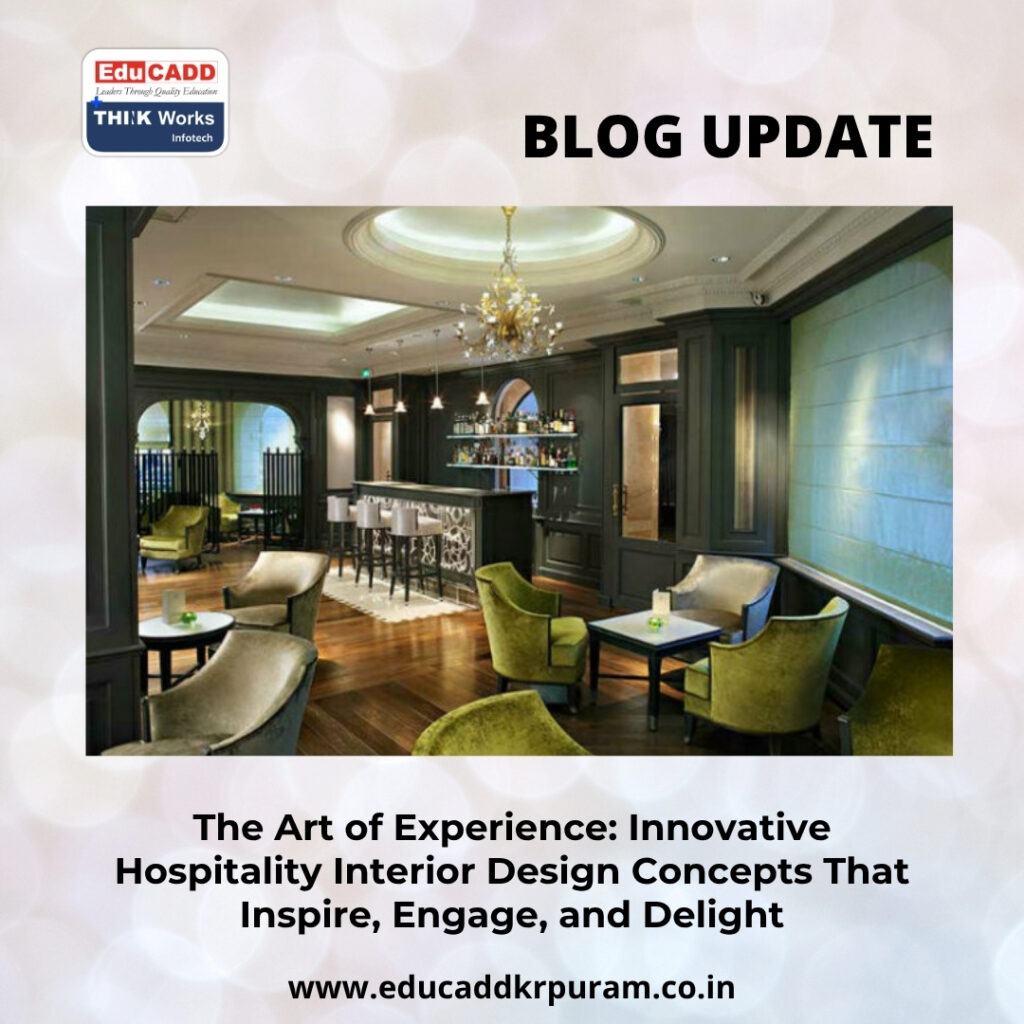
Innovative Hospitality Interior Design
As competition continues to grow in the Innovative Hospitality Interior Design, businesses are focusing on design as a strategic advantage. Well-designed interiors not only attract guests but also encourage them to stay longer and return in the future. Therefore, designers are constantly exploring new ideas that combine aesthetics, functionality, and emotional connection. In this blog, we will explore advanced Innovative Hospitality Interior Design that transform ordinary spaces into extraordinary experiences.
1. Designing Entrances That Create Lasting First Impressions
The entrance serves as the gateway to the entire guest experience. It is the first point of interaction, and it sets the tone for everything that follows. A well-designed entrance immediately captures attention and builds anticipation.
Designers often use bold architectural elements, artistic décor, and strategic lighting to create a welcoming atmosphere. In addition, clear pathways and intuitive layouts help guests navigate effortlessly. When the entrance is thoughtfully designed, it creates a sense of comfort and excitement right from the beginning.
2. Building a Cohesive Story Through Interior Themes
A strong theme acts as the foundation of successful hospitality interior design concepts. It ensures consistency across all areas, creating a seamless and immersive environment. Without a clear theme, spaces can feel disconnected and lack identity.
Themes can be inspired by cultural heritage, natural surroundings, or contemporary styles. For example, a mountain resort may incorporate rustic materials and earthy tones. As a result, guests feel connected to the environment, enhancing their overall experience.
3. Using Lighting to Transform Ambiance
Lighting plays a crucial role in shaping the mood of a space. It has the ability to enhance architectural features, highlight décor, and influence emotions. Different lighting techniques are used to create specific atmospheres.
Layered lighting is especially effective. It combines ambient, task, and accent lighting to create depth and flexibility. This approach ensures that the space remains functional while also maintaining visual appeal throughout the day.
4. Planning Spaces for Efficiency and Comfort
Space planning is essential in hospitality design. A well-organized layout ensures smooth movement and optimal use of space. Poor planning can lead to congestion and discomfort, which negatively impacts guest satisfaction.
Designers carefully divide areas based on functionality. They consider factors such as seating arrangements, traffic flow, and accessibility. As a result, guests can move freely and enjoy their experience without inconvenience.
5. Applying Color Psychology for Emotional Impact
Colors have a powerful influence on human emotions. In hospitality interiors, they are used strategically to create specific moods. Warm colors can energize a space, while cool tones promote relaxation.
Designers often create balanced color palettes to maintain harmony. Neutral tones provide a calm base, while bold accents add visual interest. This combination ensures that the space feels both inviting and dynamic.
6. Choosing Furniture That Enhances Experience
Furniture plays a vital role in defining comfort and style. In hospitality spaces, it must be both functional and aesthetically pleasing. Guests expect furniture that supports relaxation while complementing the overall design.
Key factors to consider include:
- Durability to withstand frequent use
- Ergonomic design for enhanced comfort
Additionally, flexible furniture options allow spaces to adapt to different purposes. This adaptability improves both usability and guest satisfaction.
7. Integrating Local Culture for Authenticity
Incorporating local culture into design creates a unique and memorable experience. Guests often appreciate spaces that reflect the identity of the destination. This approach adds depth and authenticity to the environment.
Designers use local materials, traditional patterns, and cultural elements to achieve this effect. As a result, the space becomes more meaningful and engaging, offering guests a deeper connection to their surroundings.
8. Emphasizing Sustainability in Design Practices
Sustainability is becoming a central focus in hospitality interior design concepts. Eco-friendly designs not only benefit the environment but also appeal to modern travelers.
Common sustainable practices include:
- Using recycled and natural materials
- Implementing energy-efficient lighting systems
Furthermore, incorporating greenery and natural elements enhances the overall ambiance. Sustainable design creates healthier spaces while supporting long-term operational goals.
9. Incorporating Technology for Modern Living
Technology has become an integral part of hospitality design. Smart systems provide convenience and enhance the guest experience. Features such as automated lighting and digital controls offer greater comfort and personalization.
Designers ensure that technology blends seamlessly with the interior. Hidden installations and minimalist designs help maintain a clean and sophisticated look. This integration creates a modern yet inviting environment.
10. Creating Multi-Functional and Flexible Spaces
Modern hospitality spaces must be adaptable. Guests have diverse needs, and spaces should be able to accommodate them. Multi-functional design allows a single area to serve multiple purposes.
For instance, a lounge can function as a workspace during the day and a social area in the evening. Designers use modular furniture and flexible layouts to achieve this versatility. This approach maximizes efficiency and enhances usability.
11. Adding Depth Through Textures and Materials
Textures play a significant role in creating visually appealing interiors. They add depth, contrast, and character to a space. Combining different materials creates a rich sensory experience.
For example, pairing soft fabrics with hard surfaces creates balance. Natural materials such as wood and stone add warmth, while metallic finishes introduce a modern touch. This combination enhances both aesthetics and functionality.
12. Strengthening Brand Identity Through Design
Interior design is a reflection of a brand’s identity. Every element should align with the brand’s vision and values. Consistency in design helps build recognition and trust among guests.
Unique design elements, such as signature colors or custom furniture, can make a space stand out. This cohesive approach ensures that guests associate the design with the brand, creating a lasting impression.
13. Managing Acoustics for a Better Environment
Acoustic design is often overlooked but plays a crucial role in guest comfort. Excessive noise can disrupt the experience and create discomfort. Therefore, controlling sound is essential.
Designers use materials such as carpets, curtains, and acoustic panels to reduce noise levels. Proper layout planning also helps minimize sound interference. These strategies create a calm and enjoyable environment.
14. Focusing on Personalization for Guest Satisfaction
Personalization is a key trend in modern hospitality design. Guests appreciate spaces that cater to their preferences and needs. Customized features enhance comfort and create a sense of exclusivity.
Attention to detail is essential. Thoughtful design elements, unique décor, and tailored amenities make guests feel valued. As a result, they are more likely to have a positive experience and return in the future.
Conclusion
Innovative Hospitality Interior Design have transformed into a dynamic blend of creativity, innovation, and strategy. Every aspect of design, from lighting and color to furniture and layout, contributes to the overall experience. When these elements are carefully integrated, they create spaces that are both functional and visually captivating.
In today’s competitive landscape, exceptional design is a powerful differentiator. It not only attracts guests but also builds emotional connections and lasting memories. By embracing modern trends such as sustainability, technology, and personalization, hospitality spaces can redefine comfort and luxury. Ultimately, great design turns ordinary spaces into unforgettable experiences that guests cherish long after their visit.

