
Crafting Spaces, Creating Futures: Your Complete Roadmap to Finding the Best Interior Design Institute
Interior Design Institute Guide has rapidly grown into a dynamic and rewarding career that blends creativity with technical expertise. Today, it is not just about arranging furniture or choosing color palettes; it involves designing spaces that are functional, sustainable, and visually compelling. With urban development accelerating and lifestyle expectations evolving, the demand for professional interior designers is higher than ever. This surge has made quality education in interior design a necessity rather than an option.
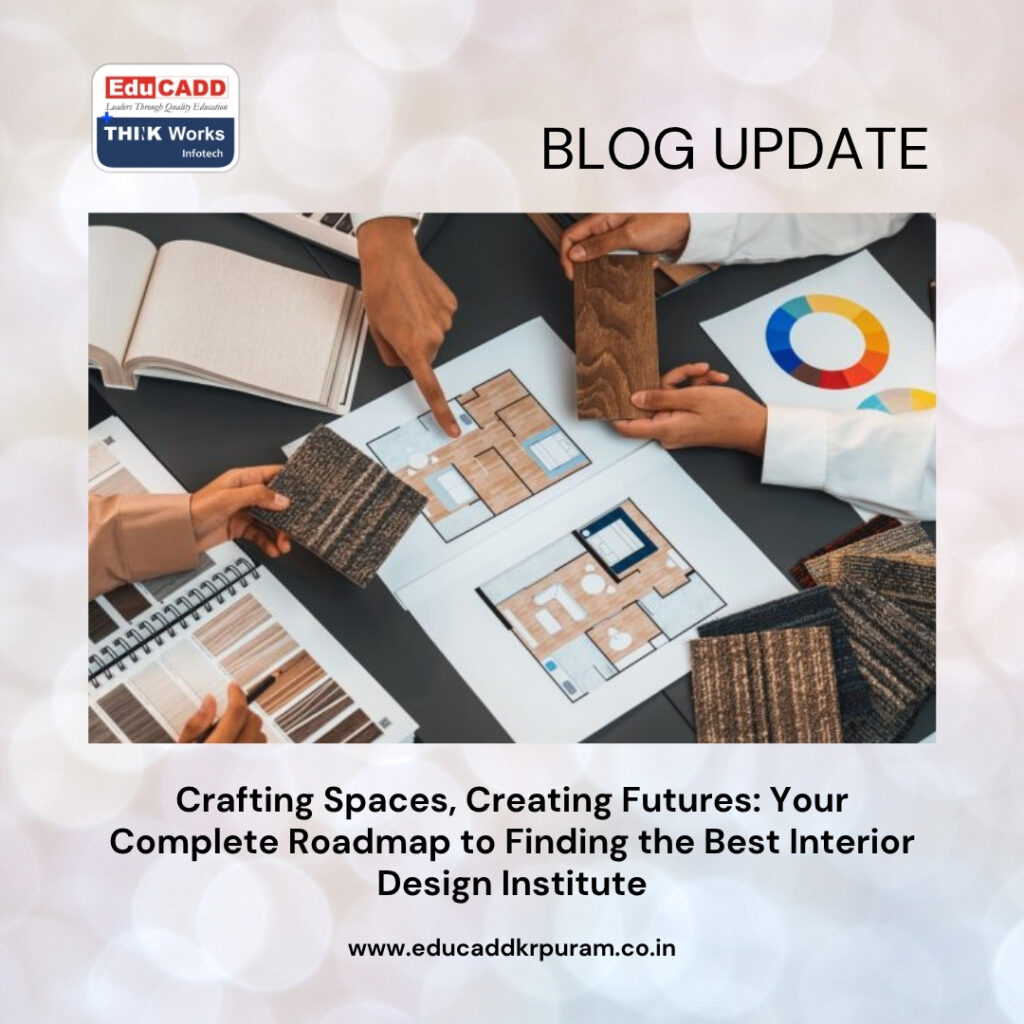
Interior Design Institute Guide
However, the journey to becoming a successful Interior Design Institute Guide begins with choosing the right training institute. The institute you select will influence your learning experience, skill development, and career opportunities. With so many institutes offering similar courses, it becomes essential to identify what truly sets the best apart. This detailed guide will help you understand every aspect of selecting the ideal interior design institute, ensuring you make a confident and informed decision that aligns with your career goals.
1. Building the Right Foundation for a Creative Career
Every successful career starts with a strong foundation, and interior design is no exception. While creativity is an important trait, it needs to be supported by structured education and technical understanding. A well-designed course introduces students to the fundamentals of design, including space planning, color theory, and material selection.
In addition, students learn how to translate abstract ideas into practical designs. Without this foundation, it becomes difficult to execute projects effectively. A reputed institute ensures that learners develop both creative thinking and technical skills, which are essential for long-term success in the industry.
2. Identifying the Hallmarks of a Top Interior Design Institute
Choosing the best institute requires careful evaluation of several factors. A top institute offers more than just classroom teaching. It provides a comprehensive learning experience that includes theory, practical training, and industry exposure.
Such institutes focus on delivering updated content, guided by experienced professionals. They also create opportunities for students to interact with industry experts through workshops and seminars. These experiences help students stay informed about current trends and expectations, making them better prepared for real-world challenges.
3. Why an Updated Curriculum Makes a Difference
Interior design is constantly evolving, influenced by new technologies and changing client preferences. Therefore, a modern curriculum is essential for staying relevant. Institutes that regularly update their course content ensure that students are equipped with current knowledge and skills.
Topics such as sustainable design, smart home integration, and innovative materials are becoming increasingly important. Learning these concepts not only enhances creativity but also prepares students to meet modern design demands. As a result, graduates are more confident and adaptable in their careers.
4. Practical Exposure: Turning Knowledge into Skill
Theory alone cannot prepare students for the realities of interior design. Practical exposure plays a crucial role in bridging the gap between learning and application. Institutes that emphasize hands-on training provide students with valuable real-world experience.
Through site visits, live projects, and design assignments, students gain insights into how projects are executed. They learn to manage challenges, communicate with clients, and deliver solutions effectively. This practical approach builds confidence and enhances professional competence.
5. Mastering Design Software for Modern Interiors
Technology has become an integral part of interior design. Designers rely on advanced software to create detailed plans and realistic visualizations. Learning these tools is essential for success in today’s competitive market.
Important areas of focus include:
- Creating technical drawings and layouts
- Developing 3D models and presentation visuals
These skills allow designers to present their ideas clearly and professionally. Moreover, proficiency in software increases employability and opens doors to global opportunities.
6. The Impact of Experienced Faculty on Learning
Faculty members play a vital role in shaping a student’s journey. Experienced trainers bring practical knowledge and industry insights that enrich the learning process. They guide students through complex concepts and provide valuable feedback.
In addition, mentors help students build confidence and refine their skills. Their guidance is especially important during project work and portfolio development. Choosing an institute with qualified and experienced faculty ensures a more meaningful and effective learning experience.
7. Career Support and Placement Opportunities
A good institute does not just focus on education; it also supports students in building their careers. Placement assistance is an important factor to consider when choosing an institute. It helps students transition smoothly from learning to professional work.
Institutes with strong industry connections provide better job opportunities. They assist with resume building, interview preparation, and job placements. This support significantly improves the chances of securing a good position in the interior design industry.
8. Certifications That Add Professional Value
Certifications are an important aspect of professional growth. Completing a course from a recognized institute adds credibility to your profile. It demonstrates your commitment to learning and your expertise in the field.
For freelancers, certifications help in gaining client trust. They serve as proof of skills and professionalism. In a competitive industry, having recognized credentials can make a significant difference in attracting opportunities.
9. Creating an Inspiring Learning Environment
The environment in which students learn has a strong impact on their creativity. Institutes that provide modern infrastructure create a space that encourages innovation and experimentation. Design studios, computer labs, and libraries enhance the learning experience.
Collaborative spaces also play an important role. They allow students to share ideas, work on group projects, and learn from each other. This interaction helps in developing teamwork and communication skills, which are essential in professional settings.
10. Flexible Course Options for Every Learner
Different students have different needs and schedules. Some may prefer full-time courses, while others may look for part-time or weekend options. A good institute offers flexibility to accommodate these preferences.
Flexible learning options are particularly beneficial for working professionals. They allow individuals to upgrade their skills without leaving their jobs. This adaptability makes interior design education accessible to a wider audience.
11. Understanding Cost and Educational Value
While cost is an important consideration, it should not be the only deciding factor. Low-cost courses may compromise on quality, while high-quality programs often require a reasonable investment. It is important to evaluate what you are getting in return.
Consider factors such as course content, faculty expertise, infrastructure, and placement support. Investing in a reputed institute can lead to better career opportunities. In the long run, the value of quality education outweighs the initial cost.
12. The Importance of a Strong Design Portfolio
A portfolio is a reflection of your skills and creativity. It showcases your ability to handle different design projects and styles. Institutes that focus on portfolio development give students a significant advantage.
Students should work on diverse projects during their course. These projects become part of their portfolio, which is essential for job interviews and client presentations. A well-developed portfolio increases confidence and enhances career prospects.
13. Benefits of Choosing a Recognized Institute
Studying at a reputed institute offers several advantages. It provides access to quality education, experienced faculty, and better career opportunities. Reputed institutes often have strong industry connections and alumni networks.
Some key benefits include:
- Exposure to industry events and expert sessions
- Better job placement and career growth opportunities
These advantages help students build a successful career in interior design.
14. Exploring the Future of Interior Design Careers
The future of interior design is bright and full of opportunities. With the rise of smart homes, sustainable design, and modern architecture, the demand for skilled designers continues to grow. Designers are now expected to create spaces that are both functional and environmentally friendly.
This evolving landscape offers diverse career paths, including residential design, commercial projects, and entrepreneurship. With the right training and skills, interior designers can explore global opportunities and achieve long-term success.
Conclusion
Selecting the best Interior Design Institute Guide is one of the most important decisions in your career journey. The right institute provides the knowledge, skills, and exposure needed to succeed in a competitive industry. It helps you develop creativity, technical expertise, and professional confidence.
Before making a choice, carefully evaluate all aspects, including curriculum, faculty, infrastructure, and placement support. A well-informed decision will open doors to exciting opportunities and long-term growth. Interior design is a field where imagination meets practicality, and with the right training, you can turn your passion into a fulfilling and successful career.

