
Crafting Spaces That Inspire: A Complete Journey Through Interior Designing Certification Course
An Interior Designing Certification Course acts as a gateway for individuals who want to turn their creative passion into a successful career. It provides a structured learning path that covers essential concepts, tools, and practical applications. Instead of relying solely on instinct, learners gain the ability to design with purpose and precision. This blog explores every important aspect of an Interior Designing Certification Course, including its value, structure, career opportunities, and future scope. By the end, you will understand why this course is a powerful step toward achieving your design ambitions.
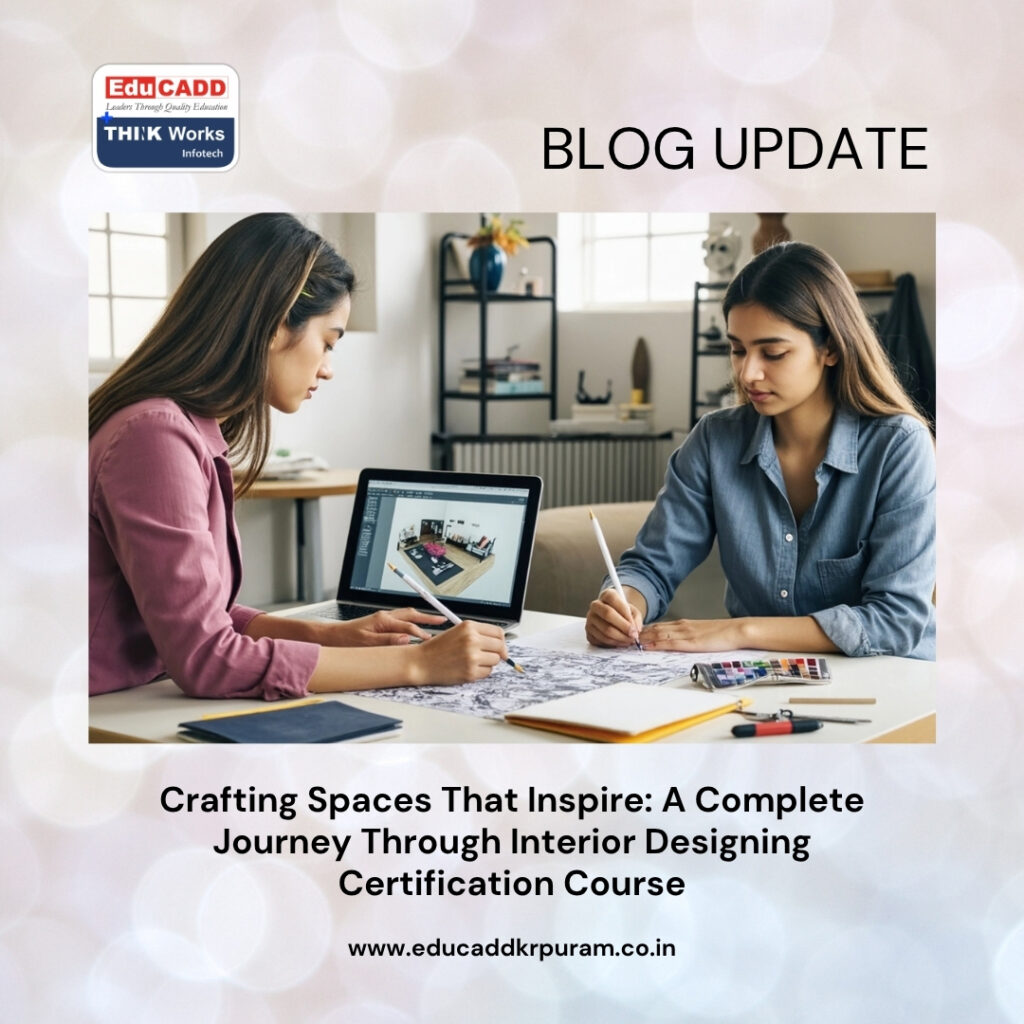
Interior Designing Certification Course
Interior design has emerged as one of the most exciting and impactful career choices in recent times. It blends creativity with technical expertise to create spaces that are both functional and visually appealing. Today, people expect more from their homes, offices, and commercial spaces. They seek environments that reflect personality, improve productivity, and enhance comfort. This shift has significantly increased the demand for trained professionals who understand design principles and modern trends.
1. Why an Interior Designing Certification Course Matters in Today’s Market
In the current competitive environment, having formal training is no longer optional. An Interior Designing Certification Course ensures that aspiring designers gain the right knowledge and industry exposure. While creativity is important, structured education refines it into practical skills that can be applied effectively.
Moreover, certification builds trust and credibility. Clients feel more confident working with professionals who have recognized qualifications. The course also introduces students to real-world challenges, helping them develop problem-solving abilities. As a result, they become capable of delivering high-quality work that meets client expectations.
2. The Growing Appeal of Interior Designing as a Profession
Interior designing has become a highly desirable career option. Rapid urbanization and evolving lifestyles have created a strong demand for well-designed spaces. People are investing more in interiors to enhance their living and working environments.
Additionally, this profession offers a perfect balance between creativity and financial growth. Designers can express their ideas while earning a stable income. An Interior Designing Certification Course equips individuals with the skills needed to enter this thriving industry. It also prepares them to adapt to changing trends and client preferences.
3. Essential Skills Gained Through the Course
An Interior Designing Certification Course focuses on building a wide range of skills. These include both creative and technical abilities that are essential for professional success. Students learn how to plan spaces efficiently and create designs that are both functional and attractive.
Important skills covered in the course include:
- Space planning and effective layout design
- Selection of colors, textures, and lighting elements
Furthermore, students develop communication skills that help them present their ideas clearly. They also learn how to understand client requirements and deliver customized solutions. These skills play a vital role in establishing a successful career.
4. Detailed Overview of the Course Curriculum
The curriculum of an Interior Designing Certification Course is designed to provide comprehensive knowledge. It starts with basic design principles and gradually progresses to advanced topics. Students gain a strong foundation in areas such as color theory, furniture design, and material selection.
In addition, the course includes practical training through assignments and projects. Learners get hands-on experience in creating layouts and working with design tools. This combination of theory and practice ensures that students are well-prepared for professional roles.
5. Role of Technology in Interior Designing Certification Course
Technology has become an integral part of interior design. Modern designers rely on digital tools to create accurate and detailed designs. An Interior Designing Certification Course includes training in software like AutoCAD, SketchUp, and 3D rendering applications.
These tools allow designers to visualize their ideas before implementation. Clients can see realistic representations of the final design. This improves communication and reduces errors. As a result, technology enhances both efficiency and creativity in the design process.
6. Key Benefits of Enrolling in an Interior Designing Certification Course
Enrolling in an Interior Designing Certification Course offers several advantages. It provides structured learning and exposure to industry practices. Students gain practical knowledge that helps them stand out in the job market.
Some major benefits include:
- Professional certification that enhances credibility
- Real-world project experience that builds confidence
Additionally, the course encourages innovation and creative thinking. It helps students develop a professional approach to design. Therefore, it serves as a strong foundation for long-term success.
7. Career Opportunities After Completing the Course
An Interior Designing Certification Course opens up a wide range of career opportunities. Graduates can work in residential, commercial, or hospitality design sectors. Each area offers unique challenges and growth prospects.
Professionals can take on roles such as interior designers, consultants, or project managers. Some may choose to specialize in specific areas like retail or office design. Others may start their own design firms. This flexibility makes interior designing a highly rewarding career choice.
8. Freelancing vs Corporate Careers in Interior Designing
After completing an Interior Designing Certification, individuals can choose between freelancing and corporate jobs. Both options have their own advantages and challenges.
Freelancing offers independence and creative freedom. Designers can select projects that match their interests. On the other hand, corporate roles provide stability and structured growth. They also offer opportunities to work on large-scale projects. Choosing the right path depends on personal goals and preferences.
9. Importance of Portfolio Development for Designers
A strong portfolio is essential for showcasing your work as an interior designer. It highlights your creativity, skills, and experience. An Interior Designing Certification Course helps students build an impressive portfolio through practical assignments.
This portfolio acts as a powerful tool during job interviews and client meetings. It demonstrates your ability to handle different design challenges. Therefore, creating a well-organized portfolio is crucial for career advancement.
10. Increasing Demand for Certified Interior Designers
The demand for certified interior designers is growing rapidly. As people become more conscious of design and aesthetics, the need for professional expertise increases. Clients prefer working with designers who have formal training.
An Interior Designing Certification Course ensures that professionals meet industry standards. It also keeps them updated with the latest trends and technologies. As a result, certified designers enjoy better career opportunities and higher earning potential.
11. How to Choose the Right Interior Designing Certification Course
Selecting the right Interior Designing Certification is a critical step. Students should consider factors such as course content, faculty experience, and practical training. A good program offers a balance between theory and hands-on learning.
Additionally, the reputation of the institute plays an important role. A recognized certification adds value to your resume. Therefore, it is important to conduct thorough research before enrolling in any course.
12. Course Duration and Learning Flexibility
Interior Designing Certification Courses are available in different formats and durations. Some programs are short-term, while others offer in-depth training over several months. This flexibility allows students to choose according to their needs.
Many institutes also provide online and part-time options. These are ideal for working professionals and students. As a result, learners can pursue the course without disrupting their existing commitments.
13. Salary Expectations and Career Growth
Interior designing offers promising career growth and earning potential. Beginners may start with moderate salaries, but experienced designers can earn significantly higher incomes. Skills, creativity, and experience play a key role in determining success.
An Interior Designing Certification Course helps accelerate career growth. It equips students with industry-relevant knowledge and practical skills. Consequently, certified professionals often secure better job opportunities and higher salaries.
14. Future Trends in Interior Designing Industry
The interior design industry continues to evolve with changing trends. Sustainable design, smart homes, and minimalistic styles are becoming increasingly popular. Designers must stay updated to remain competitive.
An Interior Designing Certification prepares students for these emerging trends. It encourages continuous learning and innovation. By staying informed, designers can create modern and relevant spaces that meet client expectations.
Conclusion
An Interior Designing Certification Course is a powerful step toward building a successful career in design. It provides the knowledge, skills, and confidence needed to excel in a competitive industry. From understanding design fundamentals to mastering advanced tools, the course covers every essential aspect.
As the demand for skilled designers continues to rise, certification becomes increasingly valuable. It enhances credibility and opens doors to diverse opportunities. Whether you aim to work for a company or start your own business, the possibilities are vast.
In conclusion, pursuing an Interior Designing Certification Course allows you to turn your passion into a profession. It empowers you to create inspiring spaces while achieving personal and professional growth. Investing in this course today can lead to a fulfilling and rewarding future in the world of interior design.

