
Design Your Future Locally: The Ultimate Roadmap to Choosing the Best Mechanical Design Course Near Me
Mechanical design stands at the center of innovation in today’s engineering-driven world. Every machine, product, or system we use daily begins as a concept that is carefully shaped through design. As industries adopt smarter technologies and faster production methods, the need for skilled mechanical designers continues to grow. If you have been searching for a mechanical design course near me, you are already aligning yourself with one of the most promising career paths available today.
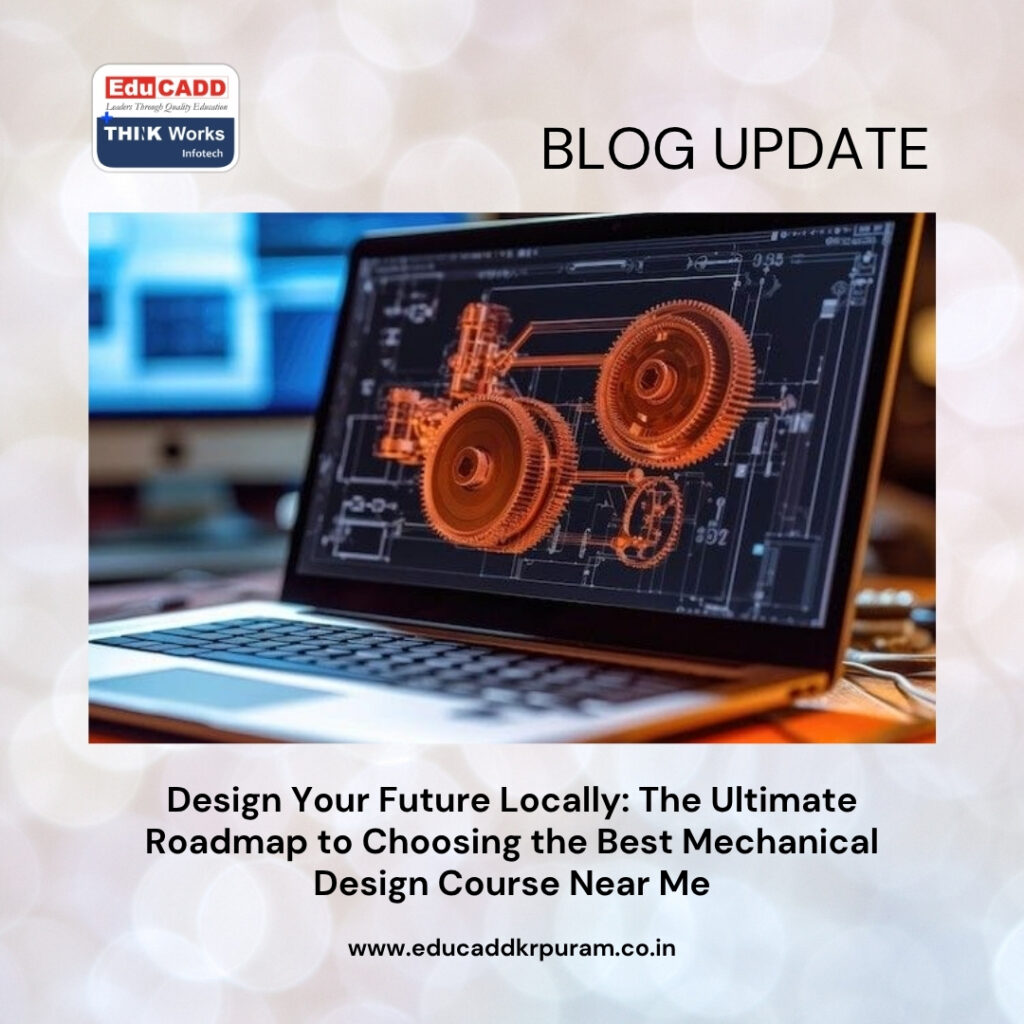
mechanical design course near me
However, selecting the right course involves more than convenience. It requires understanding the value of practical exposure, updated tools, and expert mentorship. A well-structured course can transform your technical abilities and prepare you for real-world challenges. In this detailed guide, you will explore how to choose the right mechanical design course near you and how it can help you build a strong and future-ready career.
1. Mechanical Design: A Core Pillar of Modern Engineering
Mechanical design plays a fundamental role in transforming ideas into functional products. Engineers use design principles to create systems that are efficient, reliable, and cost-effective. From automotive components to industrial machines, every product depends on accurate design.
As industries expand, the complexity of products also increases. This makes skilled designers highly valuable. Companies look for professionals who can create innovative solutions while maintaining quality and performance standards.
By enrolling in a mechanical design course near you, you gain the knowledge required to understand these complexities. This foundation is essential for building a successful engineering career.
2. Advantages of Choosing a Nearby Training Institute
Opting for a local institute offers several practical benefits. One of the biggest advantages is saving time on commuting. This allows you to dedicate more time to learning and practicing.
In addition, local institutes often have connections with nearby industries. These connections can help you access internships, workshops, and job opportunities. Networking within your region becomes easier and more effective.
Face-to-face interaction with trainers is another key benefit. You can ask questions, participate in discussions, and gain a deeper understanding of concepts. This makes learning more engaging and productive.
3. Building Strong Technical Skills Through Structured Learning
A mechanical design course focuses on developing essential technical skills that are required in the industry. These skills go beyond basic knowledge and include practical applications.
You will learn how to create accurate designs, analyze systems, and improve product performance. The course also helps you understand materials, manufacturing processes, and design standards.
Key skills gained include:
- Advanced 2D drafting and 3D modeling techniques
- Application of engineering principles to real-world design problems
These skills ensure that you are prepared to meet industry demands and handle complex projects with confidence.
4. Mastering Industry-Standard Design Software
Software tools are the backbone of modern mechanical design. Learning these tools is essential for anyone who wants to succeed in this field. Most courses include training in widely used applications such as AutoCAD, SolidWorks, CATIA, and Creo.
Each tool serves a specific purpose. For instance, AutoCAD is used for drafting, while SolidWorks is ideal for 3D modeling and simulation. Understanding how to use these tools effectively increases your efficiency as a designer.
Moreover, software training allows you to visualize designs before they are manufactured. This reduces errors and improves productivity, making you a valuable asset to employers.
5. A Well-Designed Curriculum for Comprehensive Learning
A strong curriculum ensures that students receive balanced knowledge. It usually begins with basic concepts and gradually moves to advanced topics. This step-by-step approach helps in building a solid foundation.
Students learn about engineering drawings, design calculations, and product development processes. The curriculum also includes practical sessions that reinforce theoretical concepts.
Assignments and projects play an important role in learning. They allow students to apply their knowledge in real-world scenarios. This approach enhances understanding and builds confidence.
6. Importance of Practical Exposure in Mechanical Design
Hands-on training is essential for mastering mechanical design. While theoretical knowledge is important, practical experience helps you understand how designs work in real situations.
Working on live projects allows students to explore different design challenges. It also encourages creativity and innovation. By solving real problems, learners gain valuable experience.
Additionally, practical training helps students become familiar with industry tools and workflows. This prepares them for professional environments and reduces the learning curve when they start working.
7. Certification: Your Gateway to Career Opportunities
Certification adds credibility to your skills. It shows employers that you have completed structured training and are capable of handling design tasks.
A recognized certificate can improve your chances of getting hired. It also helps you stand out in a competitive job market. Many companies prefer candidates who have undergone professional training.
Furthermore, certification reflects your dedication to learning and professional growth. It can open doors to better job roles and higher salary packages.
8. Exploring Career Opportunities After Course Completion
A mechanical design course opens up various career paths. Industries such as automotive, aerospace, manufacturing, and construction require skilled designers.
Some of the roles you can pursue include:
- Mechanical Design Engineer
- Product Design Specialist
With experience, you can move into leadership roles or specialize in advanced design fields. Freelancing is also an option for those who prefer flexibility.
The demand for mechanical designers ensures that you have long-term career stability and growth opportunities.
9. Choosing the Right Institute: What to Look For
Selecting the right institute is a crucial step in your learning journey. While searching for a mechanical design course near you, consider factors such as faculty expertise, course content, and infrastructure.
An institute with experienced trainers can provide better guidance. Updated software and modern labs are also important for effective learning.
Student reviews and placement records can give you insights into the quality of training. Visiting the institute can help you understand the learning environment.
10. Learning from Experienced Professionals
Trainers with industry experience bring practical knowledge into the classroom. They share real-world examples that help students understand concepts better.
Learning from professionals allows you to stay updated with current trends. It also prepares you for real workplace challenges.
In addition, experienced trainers can provide personalized feedback. This helps students improve their skills and overcome difficulties.
11. Industry-Focused Training for Job Readiness
An industry-oriented course ensures that students are prepared for real job roles. It focuses on practical applications rather than just theoretical knowledge.
Courses designed with industry input include the latest tools and technologies. They also cover real-time projects and case studies.
This approach helps students understand how design concepts are applied in real situations. As a result, they become more confident and job-ready.
12. Flexible Learning Options for Different Needs
Modern training institutes offer flexible learning options to suit different schedules. Students can choose between classroom training, online courses, or hybrid models.
Flexible timings make it easier for working professionals to upgrade their skills. Evening and weekend batches are especially helpful.
Online learning provides access to recorded sessions and study materials. This allows students to learn at their own pace and revisit topics whenever needed.
13. Placement Assistance and Career Support Services
Placement support plays a significant role in shaping your career. Institutes that offer career services help students transition from training to employment.
These services include resume preparation, interview training, and job referrals. They increase your chances of securing a good job.
Additionally, institutes often have partnerships with companies. This helps students get placed in reputed organizations. Career guidance sessions also provide clarity on job roles and expectations.
14. Future Scope of Mechanical Design in Emerging Industries
The future of mechanical design is full of opportunities. With advancements in technology, new fields such as robotics, automation, and renewable energy are emerging.
Mechanical designers are required to create innovative solutions in these industries. The integration of advanced tools and technologies is transforming the design process.
Professionals who stay updated with these changes will have a competitive advantage. Continuous learning and skill development are essential for long-term success.
Conclusion
Choosing the right mechanical design course near me is a powerful step toward building a successful engineering career. With the right training, you can gain technical expertise, practical experience, and access to a wide range of career opportunities.
By focusing on quality education, hands-on learning, and industry relevance, you can prepare yourself for the challenges of modern engineering. Mechanical design is not just about creating products—it is about shaping the future through innovation and creativity.
Take the next step today, enroll in a trusted course near you, and begin your journey toward becoming a skilled and confident mechanical design professional.

