
From Passion to Profession: Master the Art of Modern Interiors with a Professional Interior Styling Course
A Professional Interior Styling Course helps aspiring designers understand how to turn empty or ordinary spaces into visually attractive and highly functional environments. The course combines creativity with technical knowledge, allowing students to develop practical styling skills that meet modern industry standards. From color combinations and furniture selection to lighting concepts and space planning, every aspect of styling plays an important role in shaping a beautiful interior.
The growing popularity of social media, luxury living trends, and modern architecture has also increased awareness about aesthetically pleasing interiors. Consequently, businesses and homeowners actively seek skilled professionals who can create elegant and comfortable spaces. This increasing demand has opened countless opportunities for trained interior stylists across residential, commercial, and hospitality industries.
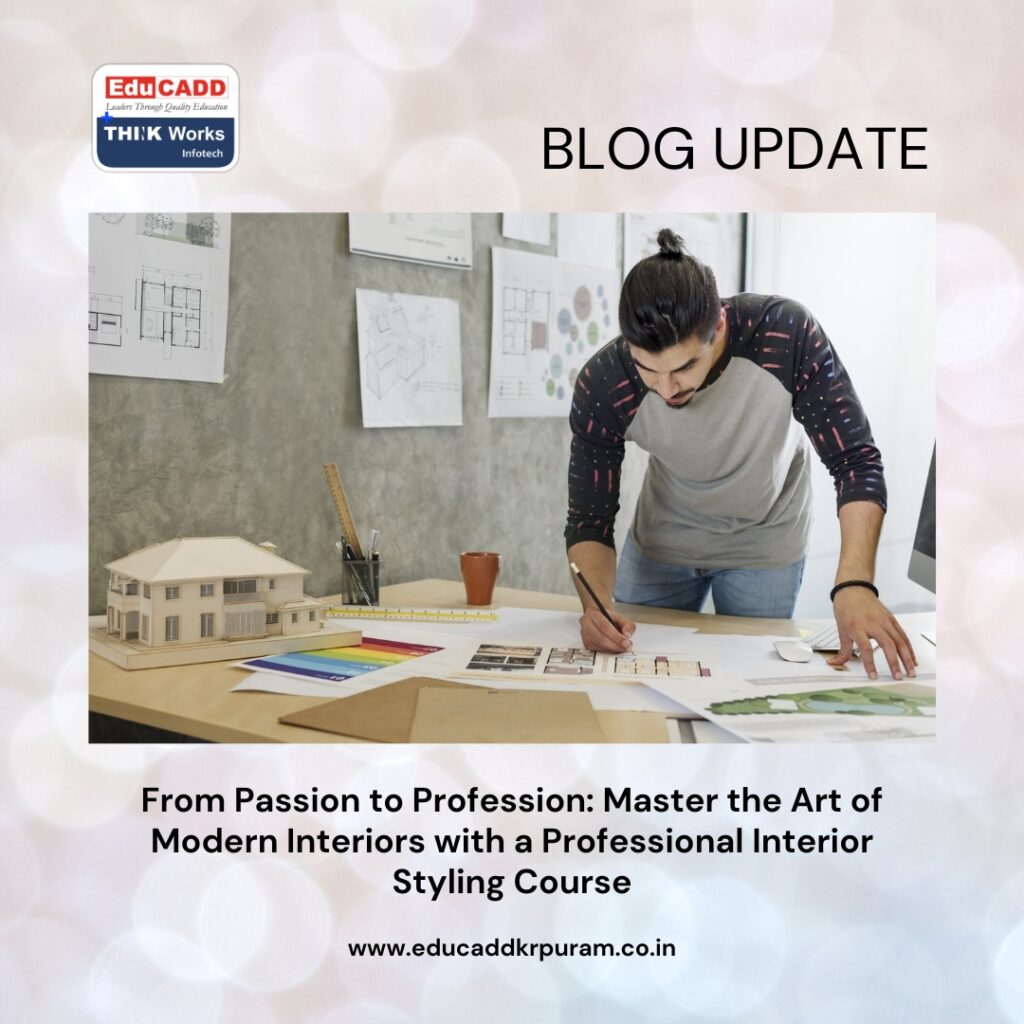
Professional Interior Styling Course
A professional course not only improves artistic abilities but also builds confidence, communication skills, and practical expertise. Therefore, students who complete proper training gain a strong foundation for long-term success in the fast-growing world of interior styling.
Understanding the Real Meaning of Interior Styling
Interior styling is much more than simply decorating a room with furniture and accessories. It is the process of creating balanced, attractive, and functional interiors that improve the overall atmosphere of a space. Professional stylists carefully combine colors, textures, lighting, furniture, fabrics, and décor elements to achieve a visually pleasing result.
Every space has its own purpose and personality. Therefore, interior styling requires thoughtful planning and creative vision. A family living room should feel warm and comfortable, while a corporate office should appear organized and professional. Similarly, restaurants and cafés must create inviting environments that enhance customer experiences.
Professional Interior Styling Course teach students how to understand these differences and design interiors accordingly. Learners develop the ability to analyze spaces and identify the right styling solutions for various environments. As a result, they become capable of creating interiors that are both beautiful and practical.
Why Interior Styling Is Becoming a High-Demand Career
The interior styling industry has experienced remarkable growth due to rapid urbanization and changing lifestyle preferences. Modern consumers value visually attractive spaces because interiors directly influence emotions, comfort, productivity, and overall well-being. Consequently, professional interior stylists are now needed in multiple industries.
Luxury apartments, commercial offices, retail stores, hotels, studios, and restaurants all require expert styling services. Additionally, homeowners increasingly invest in personalized interiors that reflect their tastes and lifestyles. This shift has created strong demand for trained professionals who understand current design trends and styling techniques.
Another major reason behind the popularity of this career is the creative freedom it offers. Interior styling allows individuals to express artistic ideas while working on exciting projects. Unlike repetitive office jobs, every styling assignment brings new challenges and creative opportunities.
Moreover, interior styling offers excellent financial growth and career flexibility. Professionals can work independently, collaborate with architects, join design companies, or establish their own interior styling businesses.
How Professional Training Builds Strong Creative Skills
Creativity is the heart of interior styling, but professional training helps students use creativity effectively in real-world situations. A structured interior styling course develops artistic thinking while teaching practical design principles that improve project execution.
Students learn how to observe spaces carefully and identify styling possibilities that improve both functionality and appearance. They explore various interior themes, including contemporary, minimalist, industrial, Scandinavian, luxury, and traditional styles. This exposure helps learners understand different design aesthetics and client preferences.
Professional courses also encourage experimentation with materials, textures, layouts, and decorative concepts. As students work on assignments and styling projects, they gradually develop a unique creative identity. Over time, they become more confident in presenting original ideas and solving interior design challenges professionally.
Learning Space Planning for Better Functionality
Space planning is one of the most important aspects of interior styling because even beautiful interiors can fail if they lack functionality. A professional course teaches students how to organize spaces effectively while maintaining visual balance and comfort.
Students learn how to position furniture correctly, improve movement flow, and maximize available space. They also understand how proportions and layouts influence the overall atmosphere of a room. These techniques help create interiors that feel spacious, organized, and practical.
Key space planning skills include:
- Arranging furniture to improve comfort and accessibility
- Creating balanced layouts that enhance room functionality
Professional training also teaches students how to work with compact spaces and challenging room dimensions. This ability becomes extremely valuable in modern urban environments where efficient space utilization is essential.
Understanding Color Theory and Emotional Design
Colors strongly influence emotions, mood, and human behavior inside a space. Therefore, interior stylists must understand how to use colors effectively while designing interiors. Professional interior styling courses provide detailed knowledge about color psychology and color coordination techniques.
Students learn how warm shades create energy and vibrancy, while cool tones promote calmness and relaxation. Neutral palettes often add sophistication, whereas bold colors create dramatic visual impact. Through practical exercises, learners understand how to combine different shades harmoniously.
In addition to colors, textures and materials also contribute significantly to emotional design. Wood creates warmth, glass adds elegance, and metal introduces modern appeal. By understanding these concepts, students gain the ability to create interiors that feel emotionally engaging and visually balanced.
The Role of Furniture and Decorative Accessories
Furniture and décor elements shape the personality of an interior space. Professional interior styling courses teach students how to choose, arrange, and coordinate furniture pieces according to the overall design theme.
Learners explore different furniture styles, materials, and arrangement techniques that improve both aesthetics and comfort. They understand how furniture proportions influence room balance and how accessories complete the styling process.
Students also learn important styling techniques such as:
- Selecting decorative elements that complement the interior theme
- Combining textures, fabrics, and accessories for visual harmony
Additionally, they study how artwork, rugs, mirrors, plants, and lighting fixtures contribute to the beauty and atmosphere of interiors.
Importance of Lighting in Interior Styling
Lighting plays a major role in enhancing the beauty and mood of interior spaces. Even a well-designed room can appear dull if lighting is poorly planned. Therefore, professional interior styling courses focus heavily on lighting concepts and applications.
Students learn about different types of lighting, including ambient, task, accent, and decorative lighting. They understand how lighting affects colors, textures, and spatial perception. Proper lighting creates depth, highlights important design features, and improves visual comfort.
Natural lighting also receives significant attention during training. Learners explore techniques for maximizing sunlight and creating bright, energy-efficient interiors. Since sustainable design is becoming increasingly important, modern lighting solutions now focus on both elegance and environmental responsibility.
Exploring Modern Trends in Interior Styling
The interior styling industry constantly evolves with changing lifestyles and global design influences. A professional course keeps students updated with current trends, helping them create interiors that match modern expectations and market demands.
Students study concepts such as sustainable interiors, multifunctional furniture, open layouts, smart home integration, and biophilic design. These trends focus on comfort, simplicity, environmental awareness, and practical living.
At the same time, professional training emphasizes the importance of timeless design principles. While trends may change regularly, balanced layouts, quality materials, and thoughtful styling always remain relevant. Therefore, students learn how to blend modern innovation with long-lasting visual appeal.
Practical Learning and Real-World Exposure
One of the biggest advantages of a professional interior styling course is practical learning. Instead of relying only on theory, students work on real projects and styling exercises that improve their technical understanding and creative confidence.
Hands-on training teaches learners how to create mood boards, select materials, prepare presentations, and manage styling projects professionally. They also gain experience in understanding client requirements and delivering customized interior solutions.
Many institutes organize workshops, site visits, and industry interactions that expose students to real working environments. Such experiences help learners understand professional standards and prepare them for future career opportunities.
Career Opportunities After Completing the Course
A professional interior styling course opens the door to multiple career paths within the design industry. Graduates can work in residential styling, commercial interiors, hospitality design, retail décor, event styling, or luxury space planning.
Popular job roles include interior stylist, décor consultant, visual merchandiser, showroom designer, furniture stylist, and freelance design consultant. Additionally, many professionals specialize in niche areas such as café interiors, boutique styling, or luxury home décor.
The rapid growth of the real estate and hospitality industries continues to create strong demand for trained interior professionals. Consequently, skilled stylists often enjoy excellent salary packages and long-term career growth opportunities.
Freelancing and Entrepreneurship in Interior Styling
Freelancing has become an attractive career option for many interior styling professionals because it offers flexibility and creative independence. A professional course helps students understand how to manage projects, interact with clients, and build strong personal brands.
Freelancers can work on home renovations, office makeovers, retail styling projects, and event décor assignments. Over time, they can establish independent interior styling businesses and expand their client networks.
Social media platforms have also created excellent marketing opportunities for freelance designers. By showcasing portfolios online, professionals can attract potential clients and build successful careers independently.
Communication and Client Management Skills
Successful interior stylists require strong communication abilities along with technical expertise. Professionals must understand client expectations clearly and explain design concepts confidently. Therefore, communication training forms an essential part of professional interior styling education.
Students learn how to present ideas professionally using sketches, presentations, and digital tools. They also understand how to discuss budgets, timelines, revisions, and project details effectively.
Good communication helps build trust and long-term relationships with clients. Additionally, stylists often collaborate with architects, contractors, vendors, and suppliers. Therefore, teamwork and professional interaction are extremely important for smooth project execution.
Technology and Software Skills in Modern Styling
Technology has become an essential part of the modern interior styling industry. Professional courses introduce students to digital tools and design software that improve project visualization and presentation quality.
Students commonly learn programs such as AutoCAD, SketchUp, Photoshop, and 3D rendering software. These tools help designers create layouts, mood boards, and realistic interior visualizations for clients.
Digital presentations improve communication and allow clients to understand the final design concept before execution begins. Consequently, software expertise provides a major professional advantage in today’s competitive market.
Building Confidence for a Creative Future
Confidence is one of the most valuable qualities for interior styling professionals. A professional course helps students develop confidence through continuous practice, practical assignments, and industry exposure.
As learners complete styling projects and presentations, they become more comfortable handling design challenges independently. They learn how to solve problems creatively, manage deadlines, and deliver high-quality work professionally.
Professional training also prepares students for competitive career environments by teaching industry standards, project management techniques, and professional ethics. By the end of the course, learners possess the skills and confidence needed to build successful careers in the interior styling industry.
Conclusion
A Professional Interior Styling Course provides the perfect combination of creativity, technical knowledge, and practical experience for aspiring design professionals. The course helps students understand how to transform spaces into elegant and functional interiors that improve everyday living experiences.
From color coordination and space planning to lighting techniques and furniture styling, every aspect of training contributes to professional growth and creative development. Additionally, practical learning and software training prepare students for real-world industry demands and career opportunities.
The increasing demand for stylish interiors across residential, commercial, and hospitality sectors has made interior styling one of the most promising creative professions today. Whether someone dreams of freelancing, joining leading design firms, or launching an independent interior business, professional training creates a strong foundation for success.
With passion, dedication, and proper education, aspiring interior stylists can build rewarding careers while creating inspiring spaces that combine beauty, comfort, and functionality in modern living environments.

